


Stories about: identity
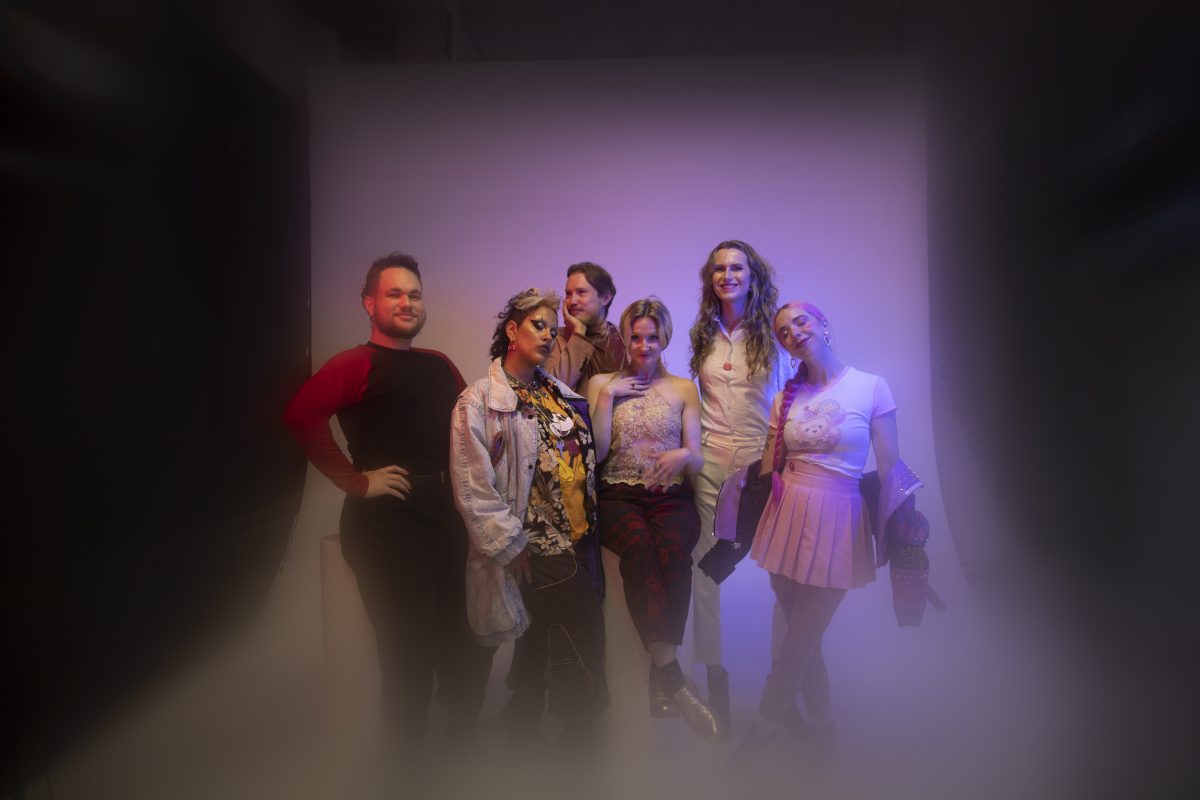
Being bisexual, just like being a blakfulla, became a solid constant of my identity. Unshakable and unquestionable by those outside of myself.
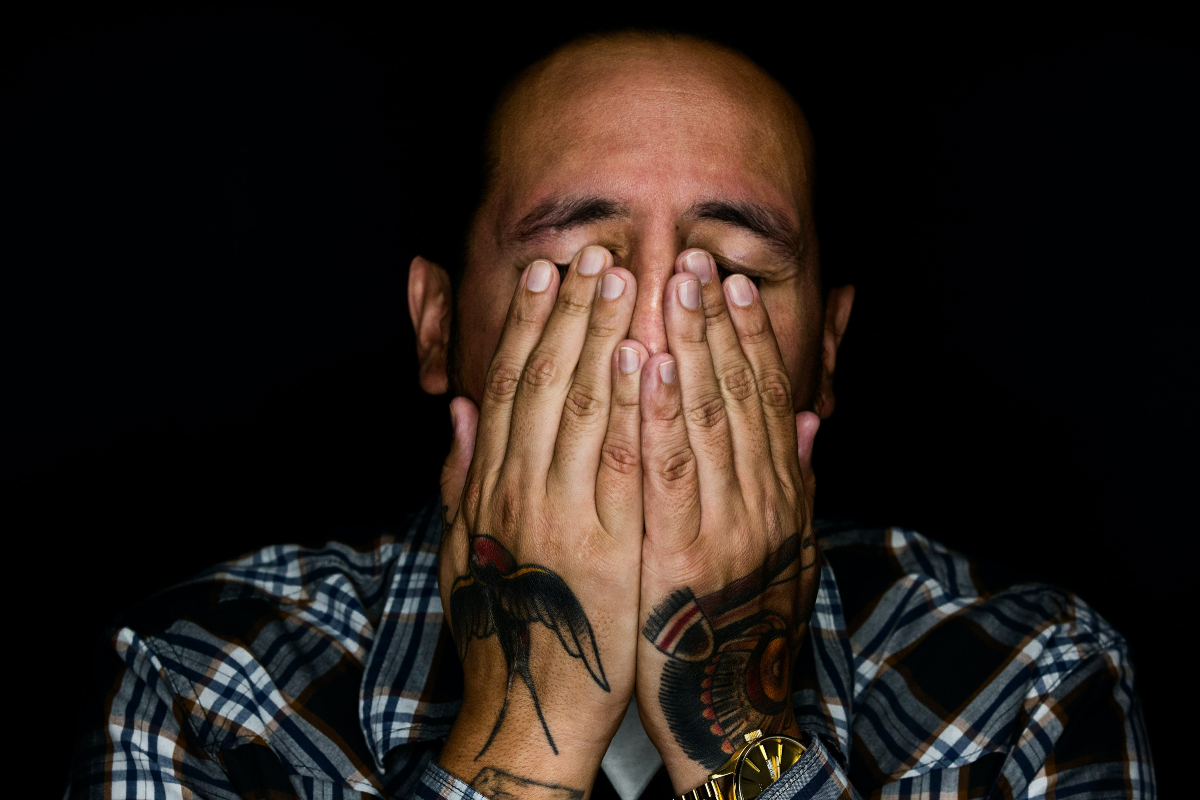
Even today, decades after September 11 kicked off the profiling of Middle Easterners in the Western world, I question if I have the ‘unsafe’ kind of brown skin.
Delsi Cat shares her top tips for cultivating bisexual pride and celebrating your bi+ identity.
I came out almost 40 years ago. Bearing witness to the courage of queer folk has been a constant and abiding feature of my life.
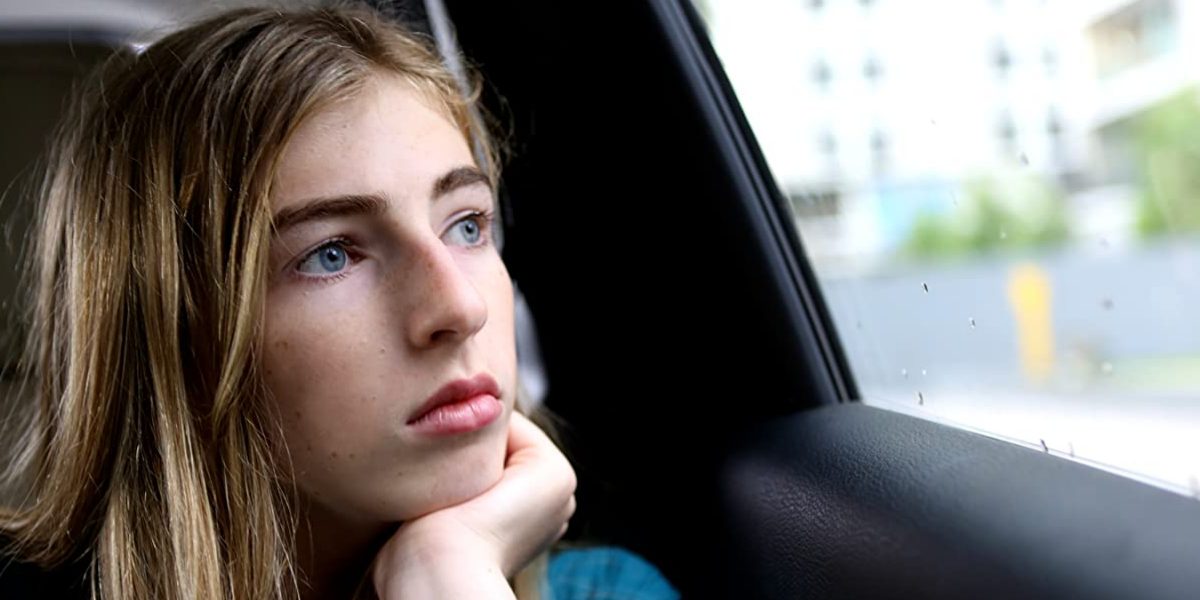
From the very beginning, The Dreamlife of Georgie Stone offers warmly murmured answers to all the whataboutisms that pepper discourse around trans children.
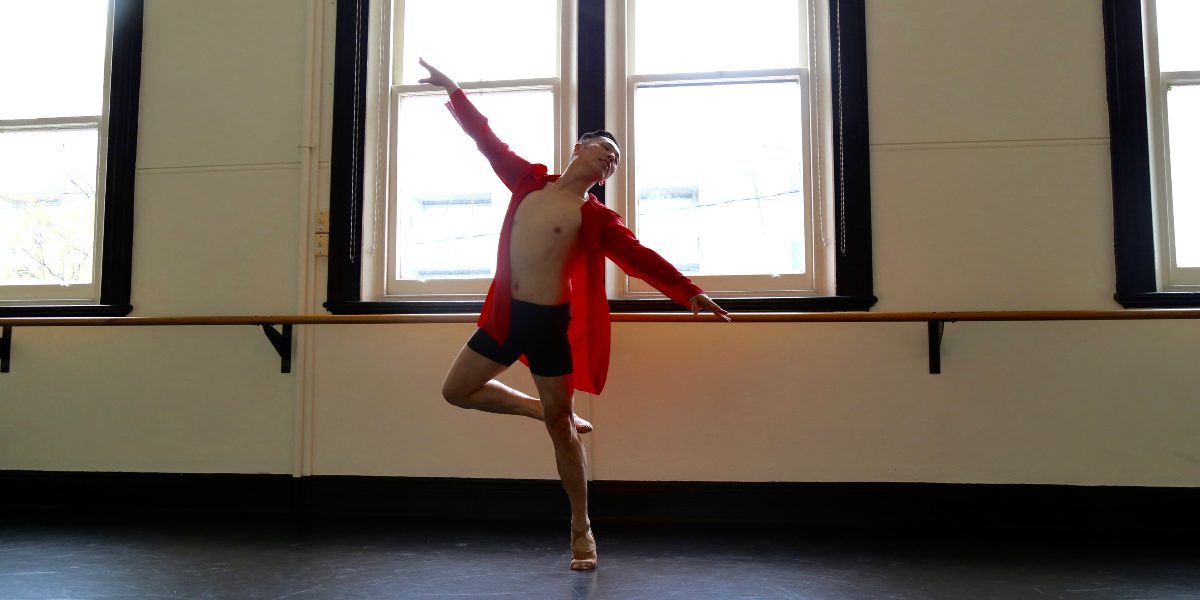
As a Deaf person, movement is such a huge part of my life. I guess I’ve needed to explore more about how dance is connected to Deafness, and how dance is connected to body language.
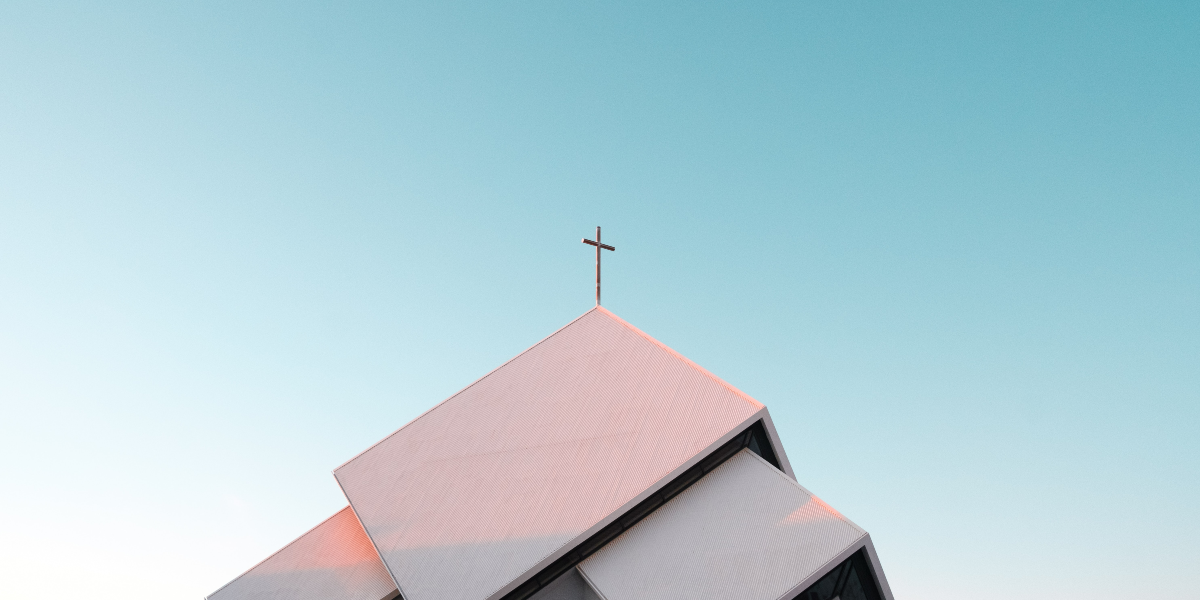
I draw parallels between being agnostic and agender: both are non-binary. I feel my agnosticism is my non-binary nature manifest spiritually.

We need employers to make workplaces genuinely safe, warm, and welcoming for all.
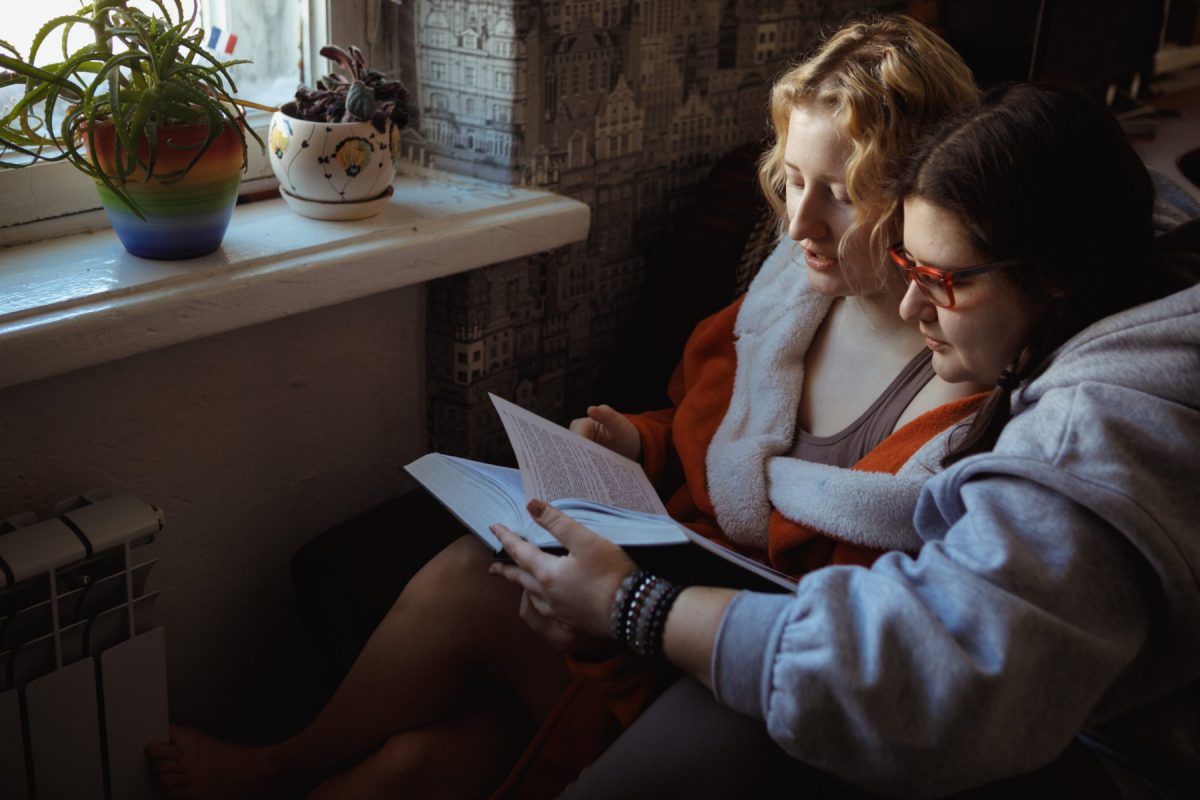
We might recognise this as compulsory heterosexuality. I knew it was not exactly what was expected of me, to be warm in the hush of her bed.
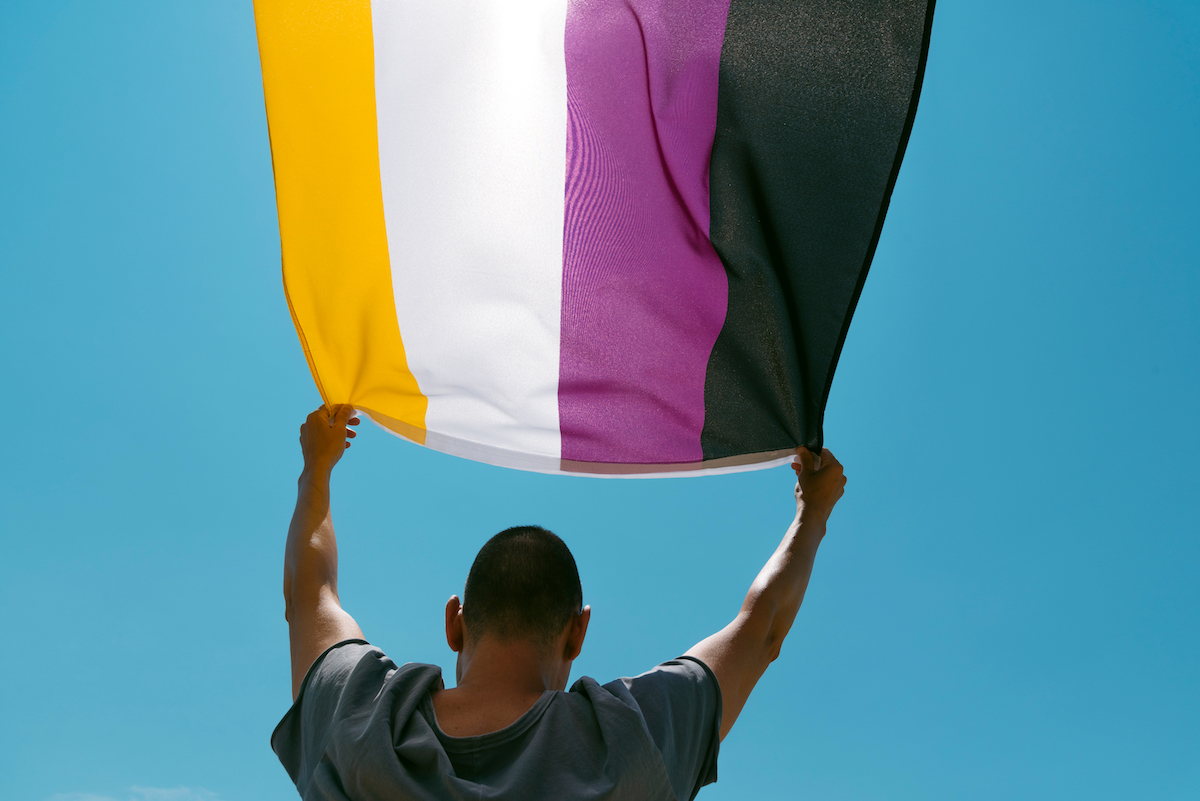
For Non-Binary People’s Day, we wanted to round up some of the pieces from over the years by the non-binary writers in our Archer community.
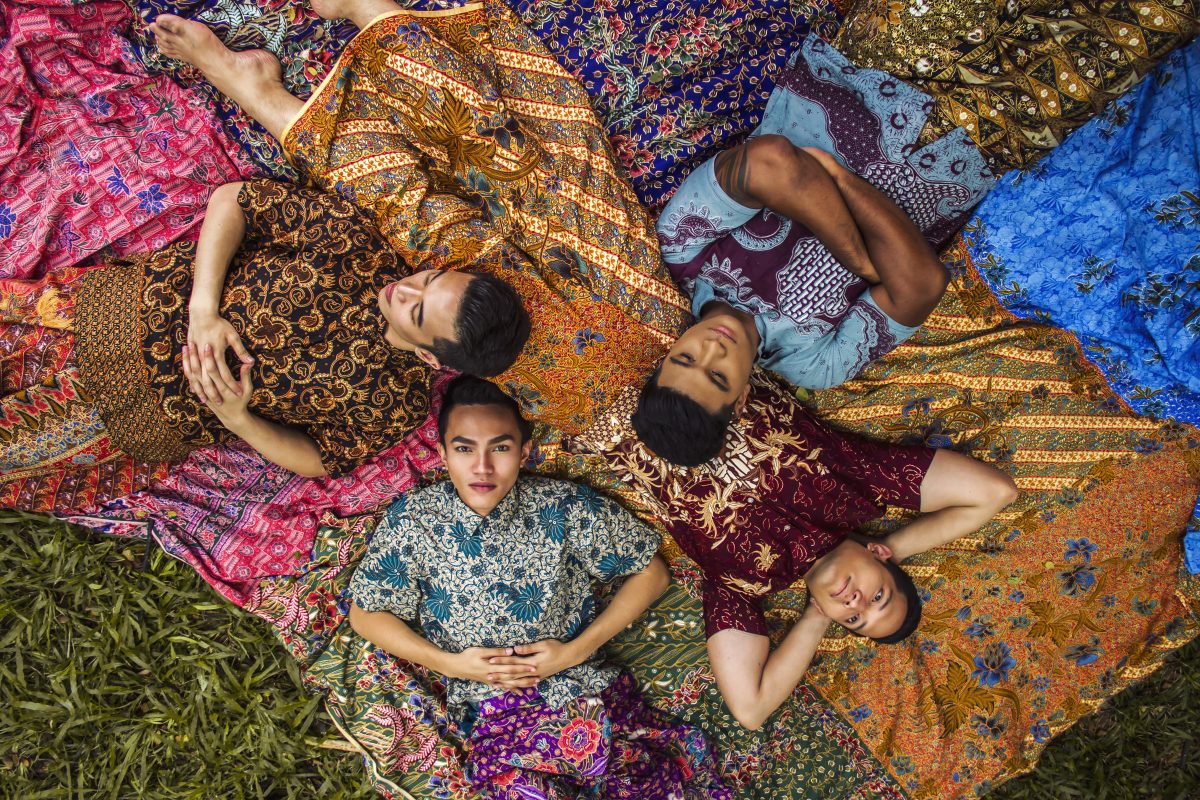
The way the Batik is tied onto each individual is rooted in tradition, like what you may see in the villages of Malaysia.
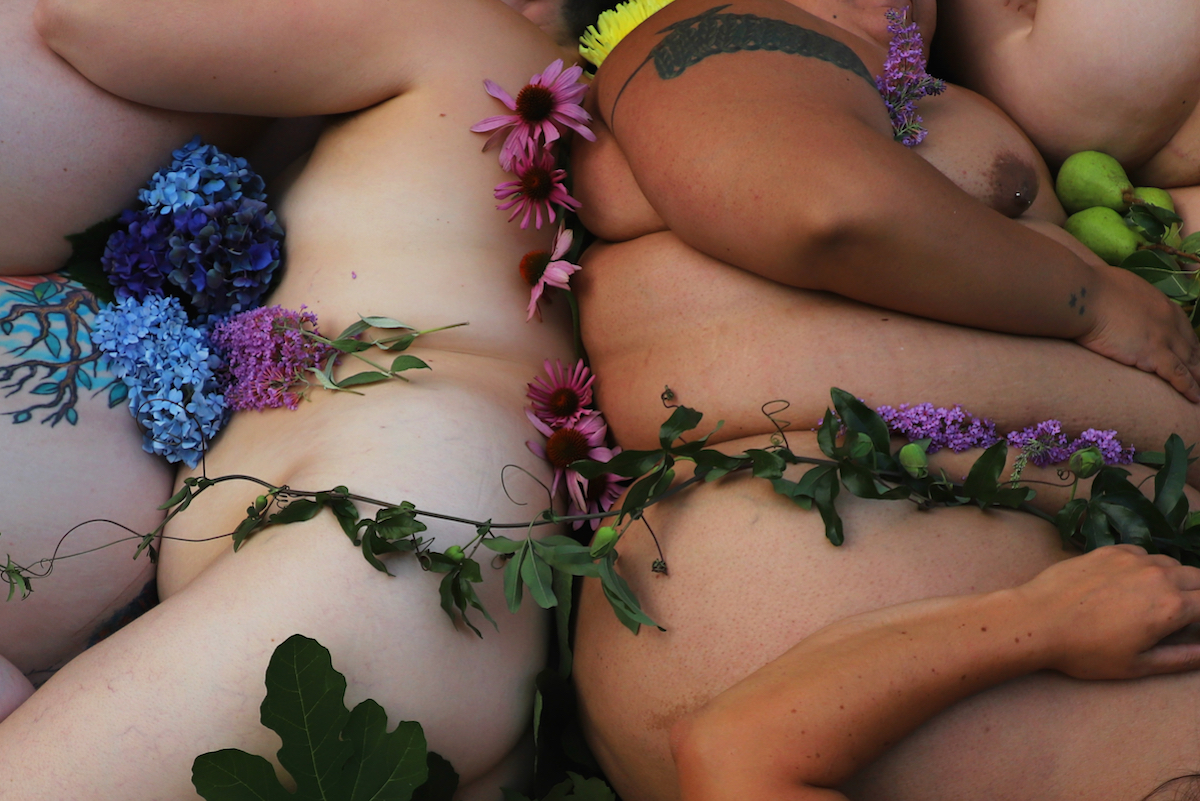
I had ideas that liberation was possible, but I never felt truly comfortable with my body until I started taking pictures of other fat bodies.
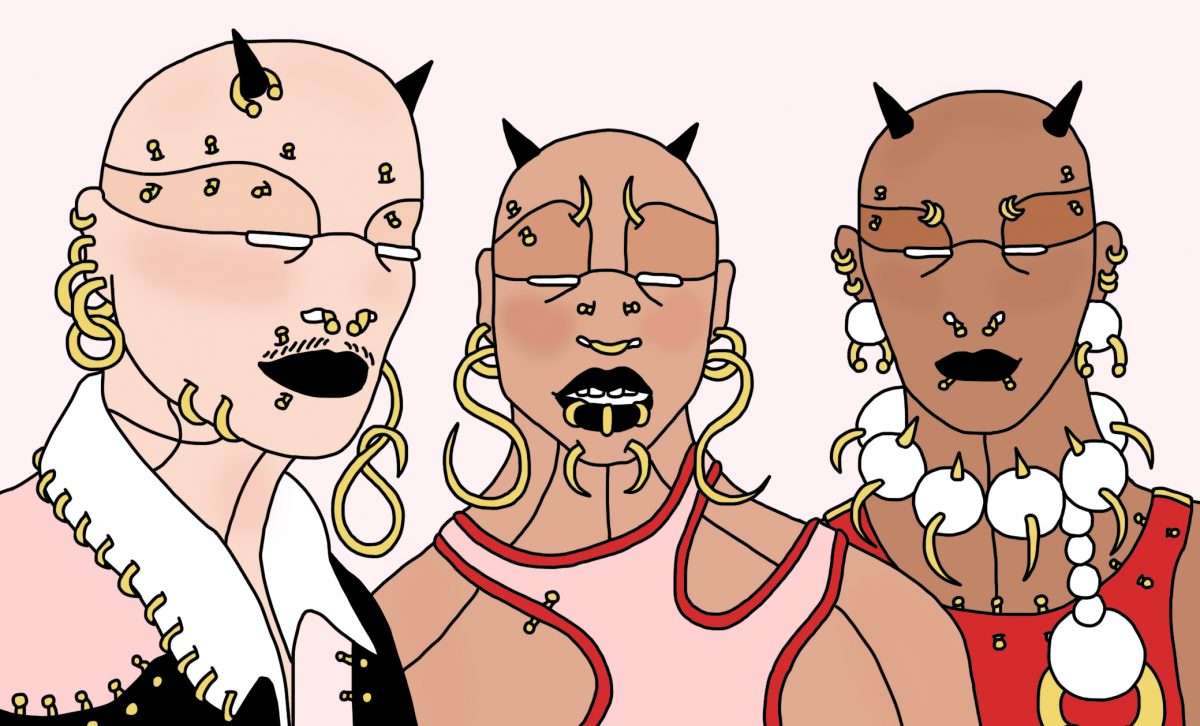
My characters are genderless, stunning creatures. They are not afraid to talk about what really needs to be talked about.

I don’t need labels to remind me of that, or to tell others who I am. Don’t stick one on me. It will slide right off.
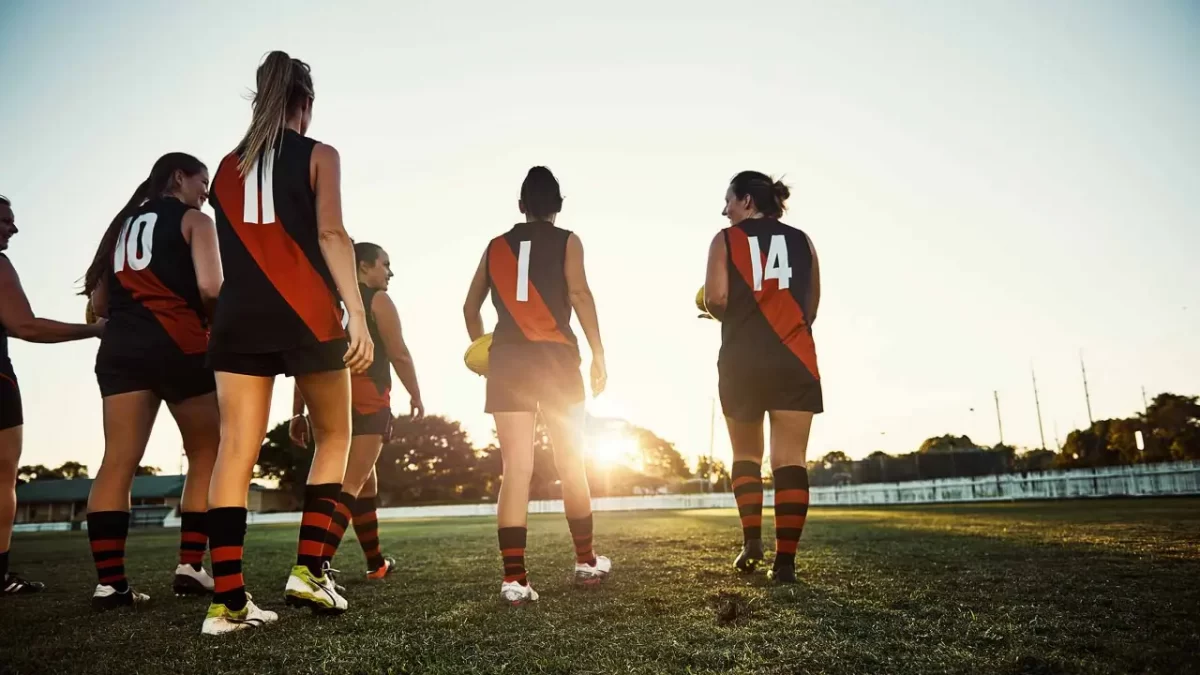
It became apparent why the way women’s sport is participated in and played resonates so deeply with me: it is so critically important.
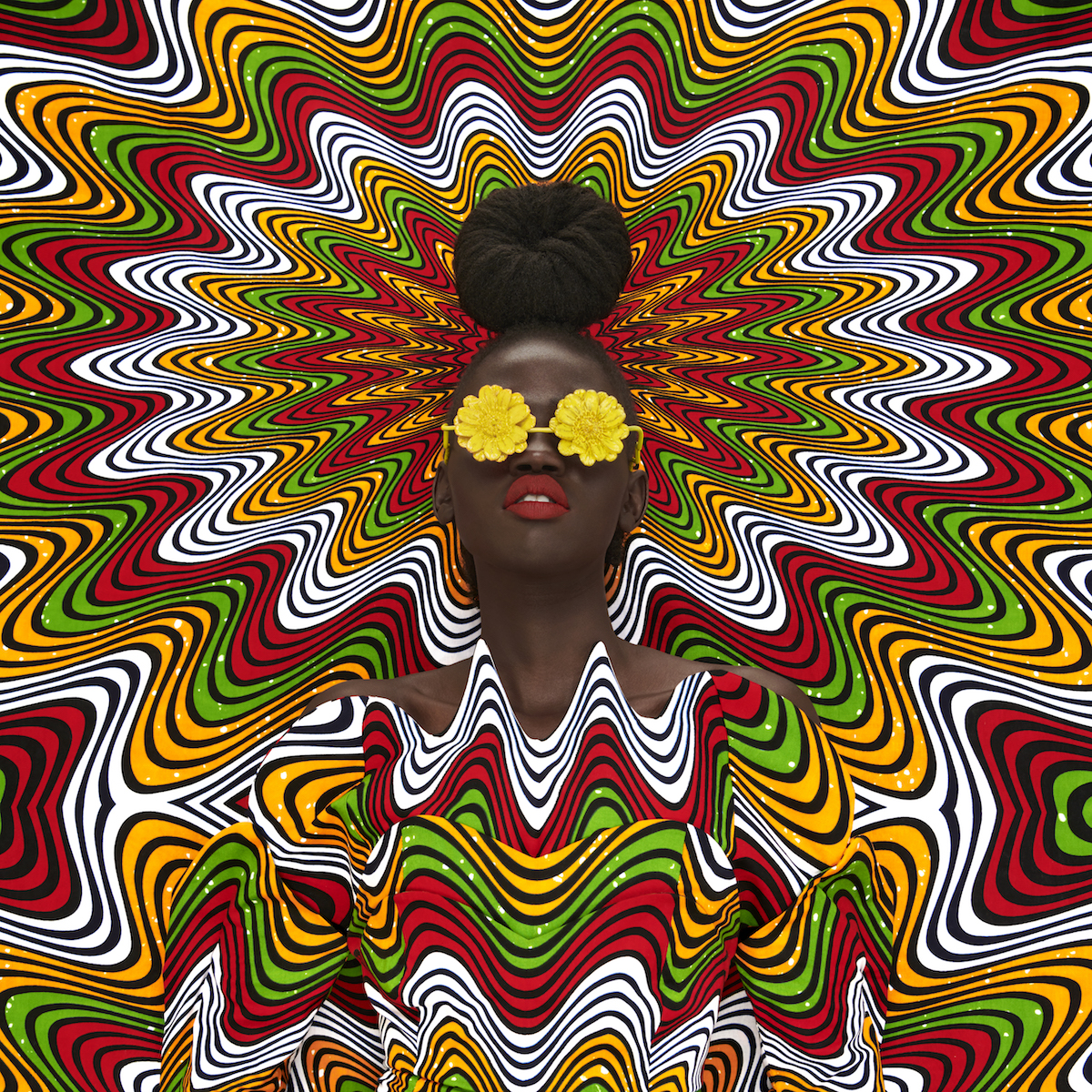
I follow a very systematic process for creating my work. The story of Camo all begins with the fabric.
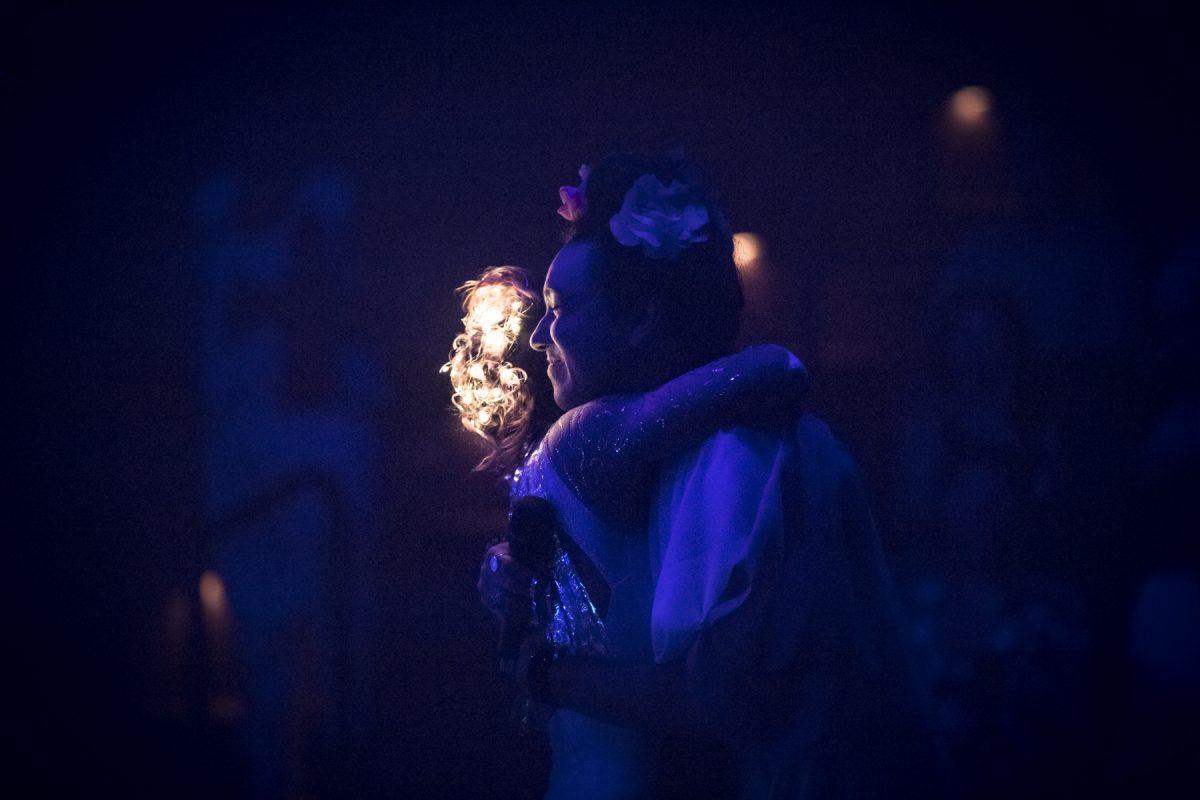
Gender Euphoria didn’t just connect us with the audience – it allowed people to connect to their own self.
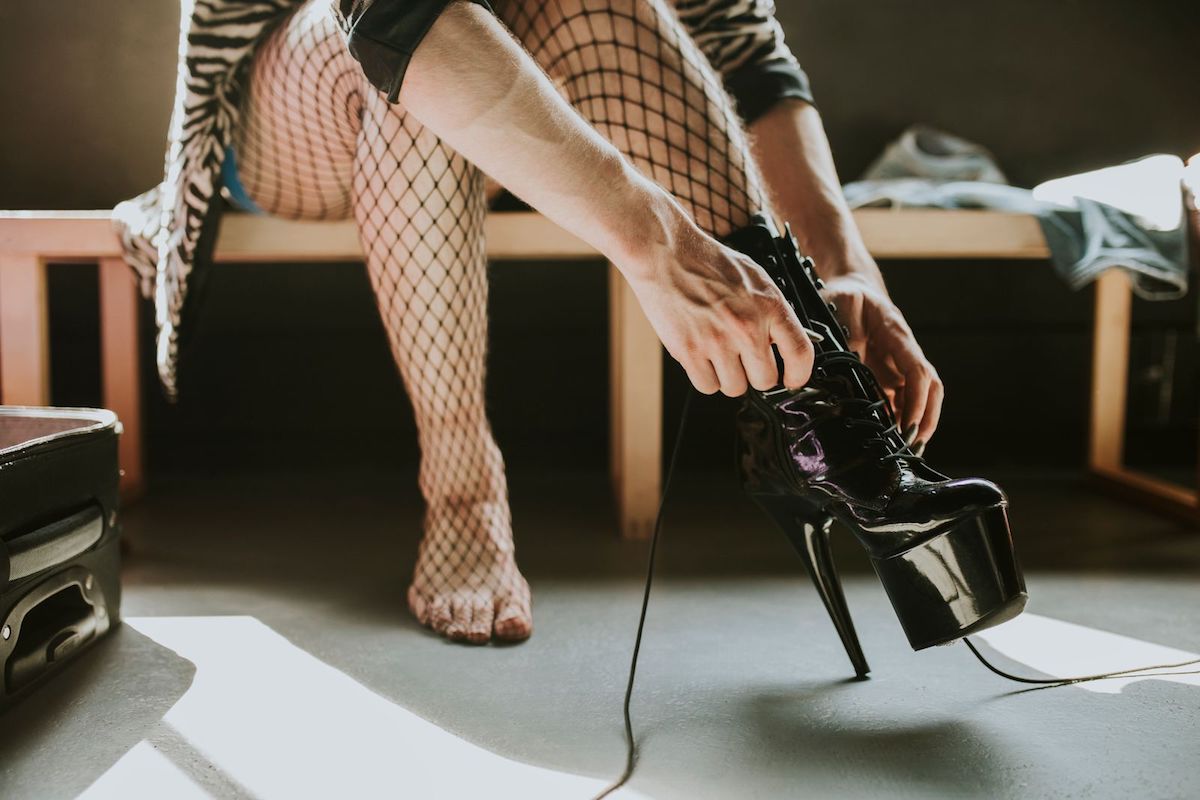
This envy is often what I feel for people who possess a kind of a queer competence and sophistication that I feel I do not.
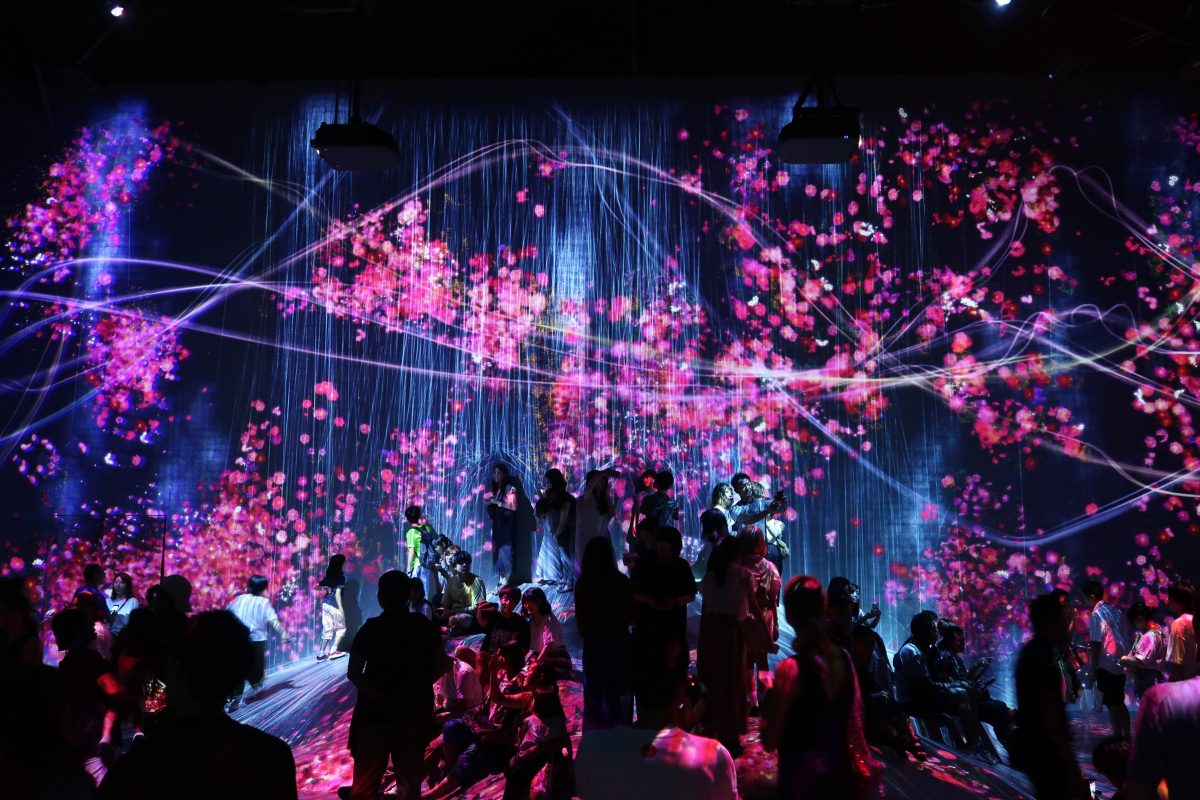
Queer spaces are necessary globally, not just in Tasmania. Loud, proud, beautiful queer spaces.
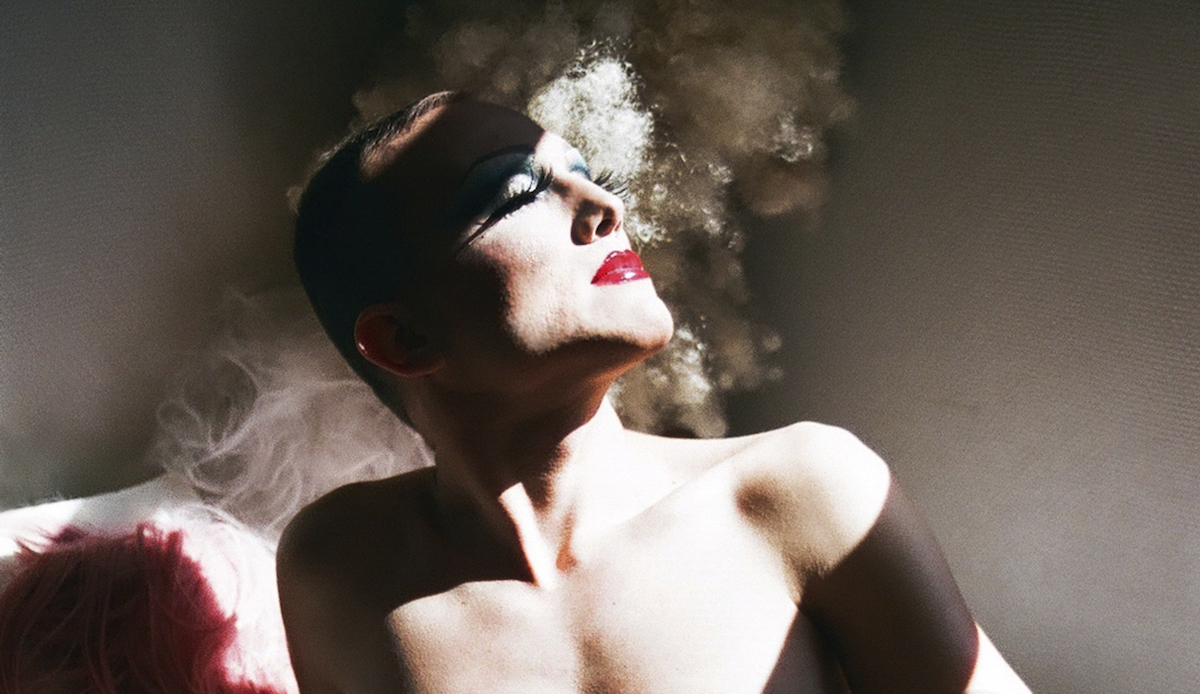
“Nothing about gender identity is fixed,” Ohlert writes. “Its development is often a fluid process, changing throughout a lifetime.
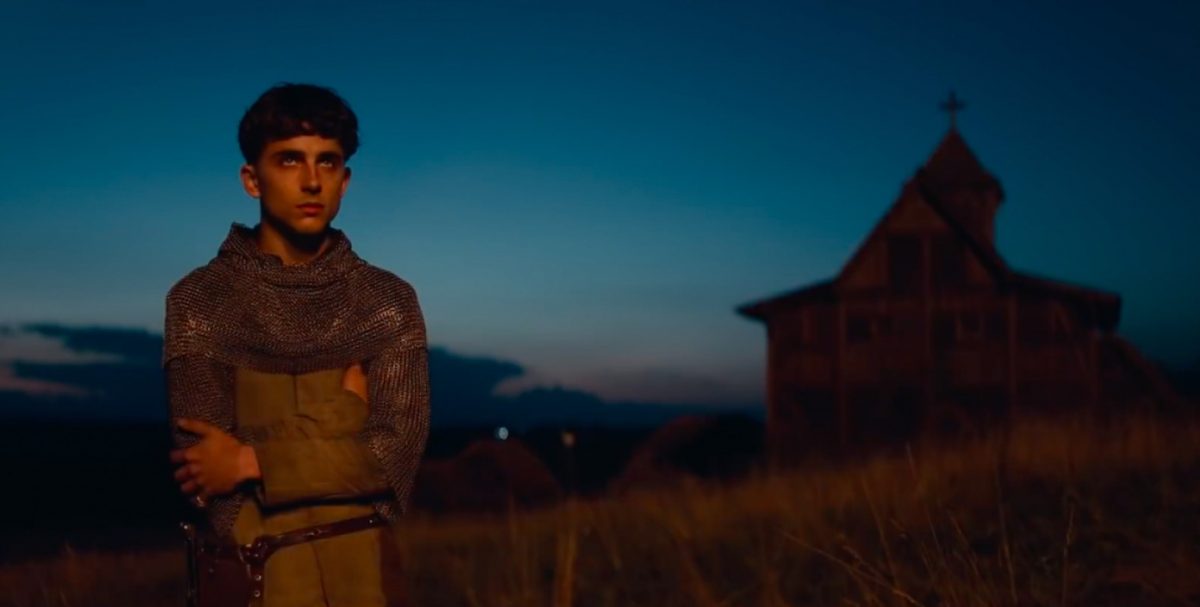
It made me hate being a boy. Not because I didn’t want to be one, but because the world around me was letting me know I was doing a bad job at trying.
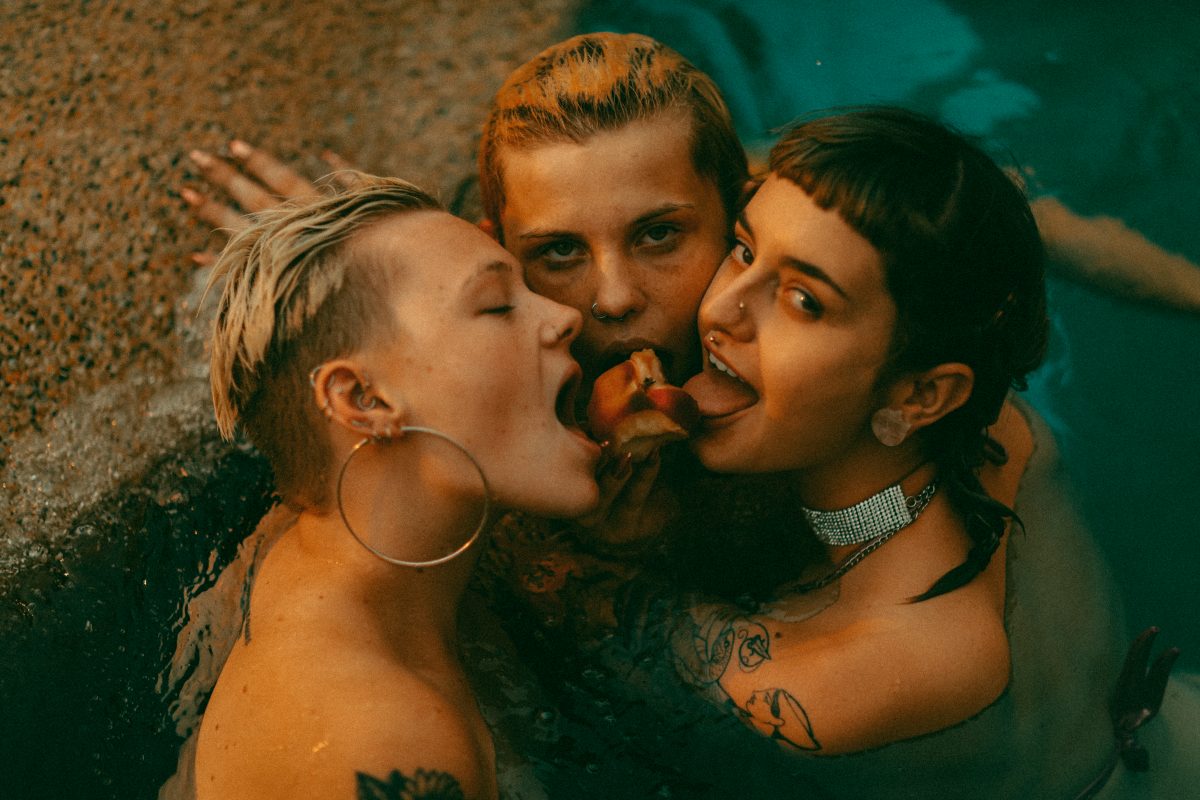
I feel like the non-binary gaze is so different. It is fluid and it understands. I hope that people feel not alone with my work.