

Coming out of compulsory heterosexuality: Guess what? I’m gay!
By: Zoe Simmons
Content warning: This article briefly mentions violence and discrimination against LGBTQIA+ people.
It’s hard to be a queer person in this world, especially when you’re still discovering that part of yourself.
As a millennial, homosexuality was still illegal in many parts of the world when I was born.
Tasmania didn’t change its archaic laws until 1997, unlike most other states who had decriminalised it in the ’70s or ’80s. While laws may have changed, negative attitudes have certainly remained. When I was growing up, it wasn’t safe to be queer. And it’s still not.
Growing up, I didn’t know any of this. Nonetheless, queerness was all around me. My great uncle was gay. Many of my mum’s friends were gay – I’d refer to them all as “aunty”. And when I got older, I had lots of queer friends.
But despite the proximity and acceptance in those around me, I, for some reason, never saw – or at least accepted – queerness in myself.
I don’t think I’m alone in this experience; we live in a world of compulsory heterosexuality. Everything is heteronormative – straightness is the automatic assumption. Maybe not so much now, but certainly when I was younger.
We are conditioned to be heterosexual and cisgender. It’s stamped into us constantly. As a young girl, I was constantly asked questions from adults like, “So, which boys do you like?” which later morphs into, “So, have you got a boyfriend?”
Compulsory heterosexuality isn’t just reinforced through direct socialisation, but through media portrayals and narratives. Popular movies and books, for the most part, suffocate readers with heterosexuality and so-called norms.
I couldn’t see myself as queer because I never saw that represented. In fairy tales and rom-coms of the 2000s, it was always: boy meets girl, they overcome something, they fall in love, and live happily ever after.
If showrunners dared to represent a queer person, it was usually followed by an outcry about how we can’t “brainwash kids” with queerness. Brainwashing us with heterosexuality, though? That’s fine, apparently.
In retrospect, I realise there were quite a few factors pushing me towards compulsory heterosexuality, with media being just one of them.
Religion was another barrier that stopped me from realising I’m queer. I was lucky to grow up ‘casually Christian’ with my mum – someone who fiercely believes in rights and safety for LGBTQIA+ people. If I’d been from a stricter household, it would have been a lot harder.
But being in Christian environments and having those messages repeated constantly in school, I couldn’t help but internalise the stigma of being queer. The conditioning came across loud and clear: our very existence is wrong, and we’re hell-bound if we dare question heteronormativity. Even though I vehemently opposed that – and really, the entire religion – it still had an impact on my ability to explore my sexuality.
To further complicate things, I think being an undiagnosed autistic also inhibited my queer self-discovery. Like many autistics growing up, I just didn’t know how to… exist. So, I’d unconsciously watch others and see what they did – something called ‘masking’, which a lot of us do.
I’d look to others around me for guidance on how to act ‘normal’, because I just felt so alien (and I’d be bullied for it). Being conditioned to be straight was just part of the package. So, I never really questioned my own identity and sexuality – even though there were signs.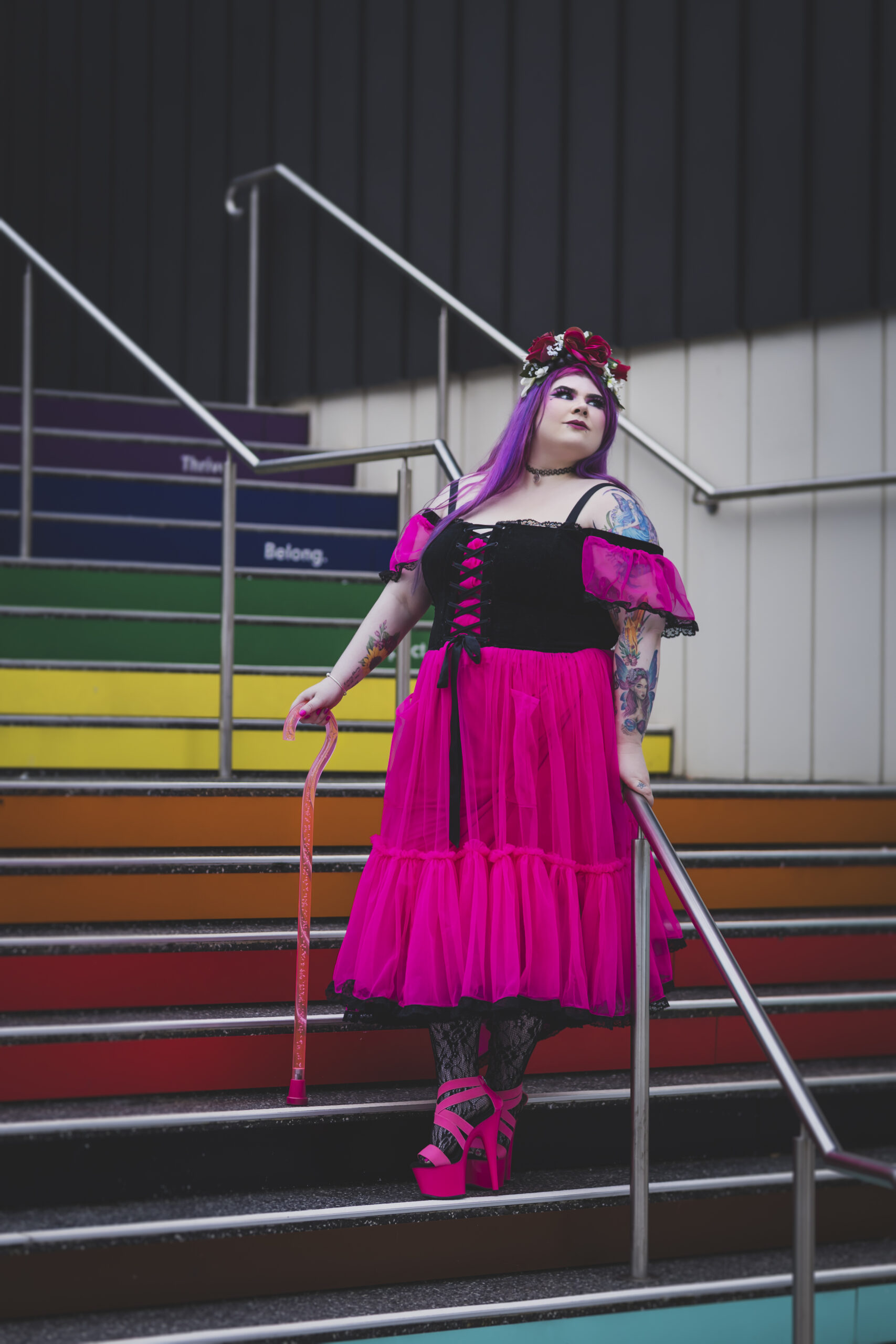
Femmes have always fascinated me. I was always attracted to strong female characters. I just didn’t realise how attracted I was.
So, I never really thought about it. I kissed boys. I dated boys. I had crushes on boys. But looking back, one million per cent I had crushes on girls, too. I just didn’t know what to do with that information. I shoved it down because “I couldn’t be gay.”
But, many people – myself included – have tendencies to diminish our own experiences, especially when it comes to working out any kind of identity. I experienced this when I first started realising I was autistic, and when realising I was disabled. I’d feel like I wasn’t ‘disabled enough’ or other people were ‘more disabled’ than me. I felt like my experiences didn’t matter. I’d minimise my trauma, too – and I see so many others do the same.
Now I’m comfortable with being disabled (and confident in claiming my identity and access needs), I notice that my health isn’t the only place I’ve diminished how I feel.
If I’m honest… it feels like I’m trapped screaming inside myself. In more ways than one.
I’ve exclusively dated men. But if I’m honest, I’m questioning that attraction. Was I really the one attracted, or was I just so conditioned to think that’s what I wanted?
Maybe it should have been an indication that when people asked me if I was Team Edward or Team Jacob, I’d confidently say: “Team Bella!”
Or when Halle Berry’s Catwoman came out, and I was so enraptured, I’d draw her over and over again.
Or when I’d obsess over Mila Jovovich in Resident Evil, or Kate Beckinsale in Underworld, or Amy Lee from Evanescence.
In hindsight, there were clues. The biggest one of which is probably the fact that I kissed many girls growing up – at one point, more than boys. This was a fact I’d proudly proclaim while still thinking I was straight.
My queerness is so obvious to me now that I almost feel embarrassed that I missed all the signs. Finding and embracing your queer identity a little later in life is super hard.
For one, I feel like I’m an impostor. Like I’m not queer enough, or I’m not valid because I haven’t done anything sexually with anyone other than a cis man. I’ve had plenty of people tell me I can’t call myself queer because of that (urgh).
I’m in this weird space where I grew up knowing that queerness was a big taboo. And while the queer community faces a lot of hardship, younger generations seem far more accepting when it comes to gender and sexuality. My Gen Z friends are open about their identities, and it’s not remotely a big deal. Because we have more representation now, queerness has been a lot more normalised.
I can’t tell you how happy that makes me to see this acceptance, this self-knowing, and this pride: something I am still working on for myself. But it brings me hope. If they can be loud and proud, maybe I can, too.
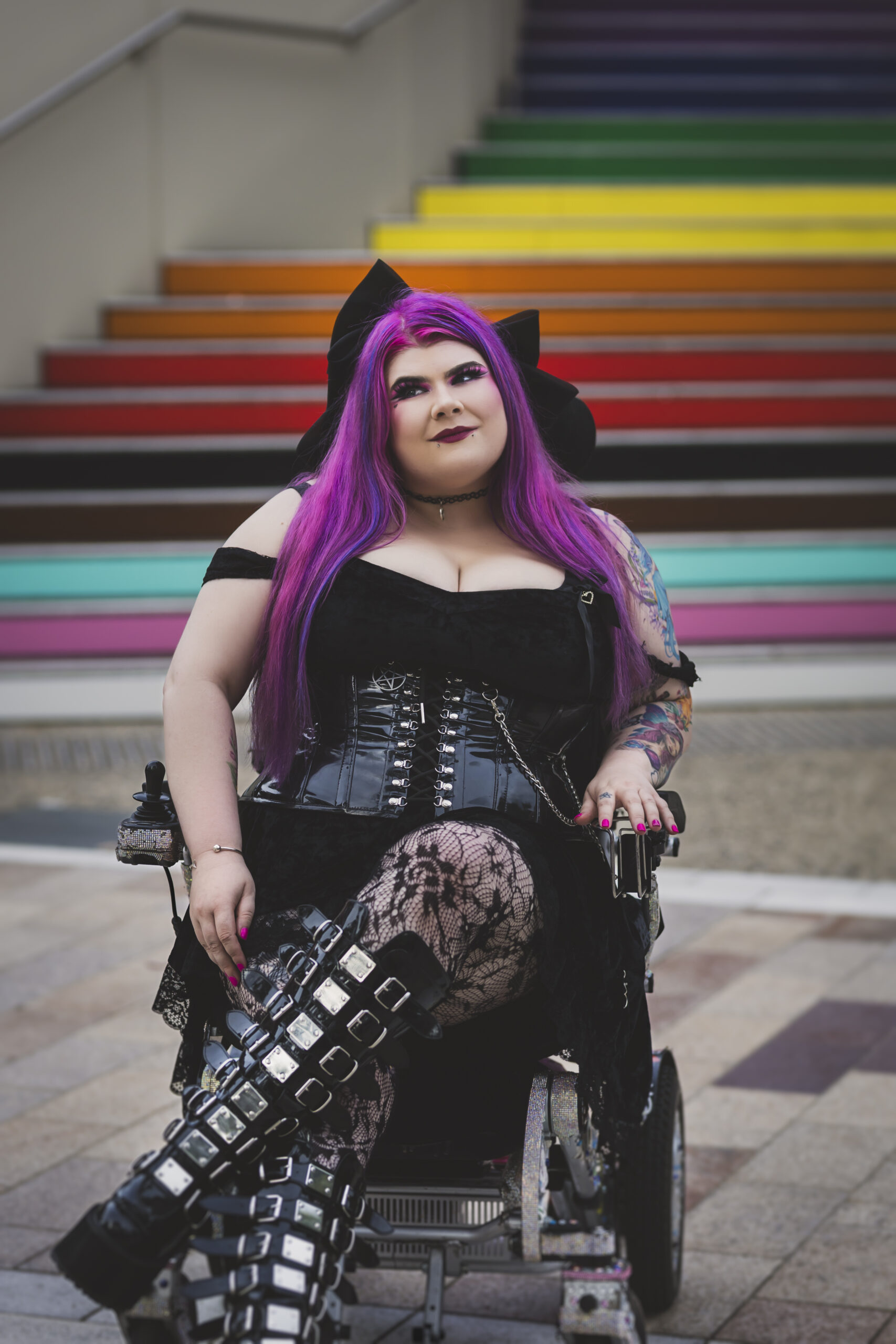
It’s been a few years now since I’ve realised I’m queer. I started slow: I met up with a few queer people online. I made some friends. I went on some dates. I read queer perspectives, and devoured any queer show I could get my hands on. It was such a relief to untangle myself from compulsory heterosexuality. It felt freeing.
But I still haven’t actually ‘come out’. Some people tell me it isn’t necessary, and others have even shamed me for wanting to do it.
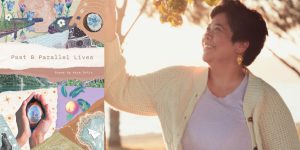
My first plan was to just write something on social media. Then I had an opportunity to write some poems in a LGBTQIA+ anthology, and that was supposed to be my “coming out”, but I never did it. I just didn’t have the right words.
Coming out is still scary – even in a world with greater acceptance than ever before. I’m still scared of being judged, of not being accepted, of being told I’m not queer enough to count. I’m scared that I’m “taking up space that isn’t mine”, as one queer person told me when I was exploring other aspects of my identity – which was gut-wrenching.
After so long of hiding myself, or feeling like I wasn’t valid enough, I want to acknowledge my queerness. Even if coming out isn’t necessary for everyone, I think it is for me.
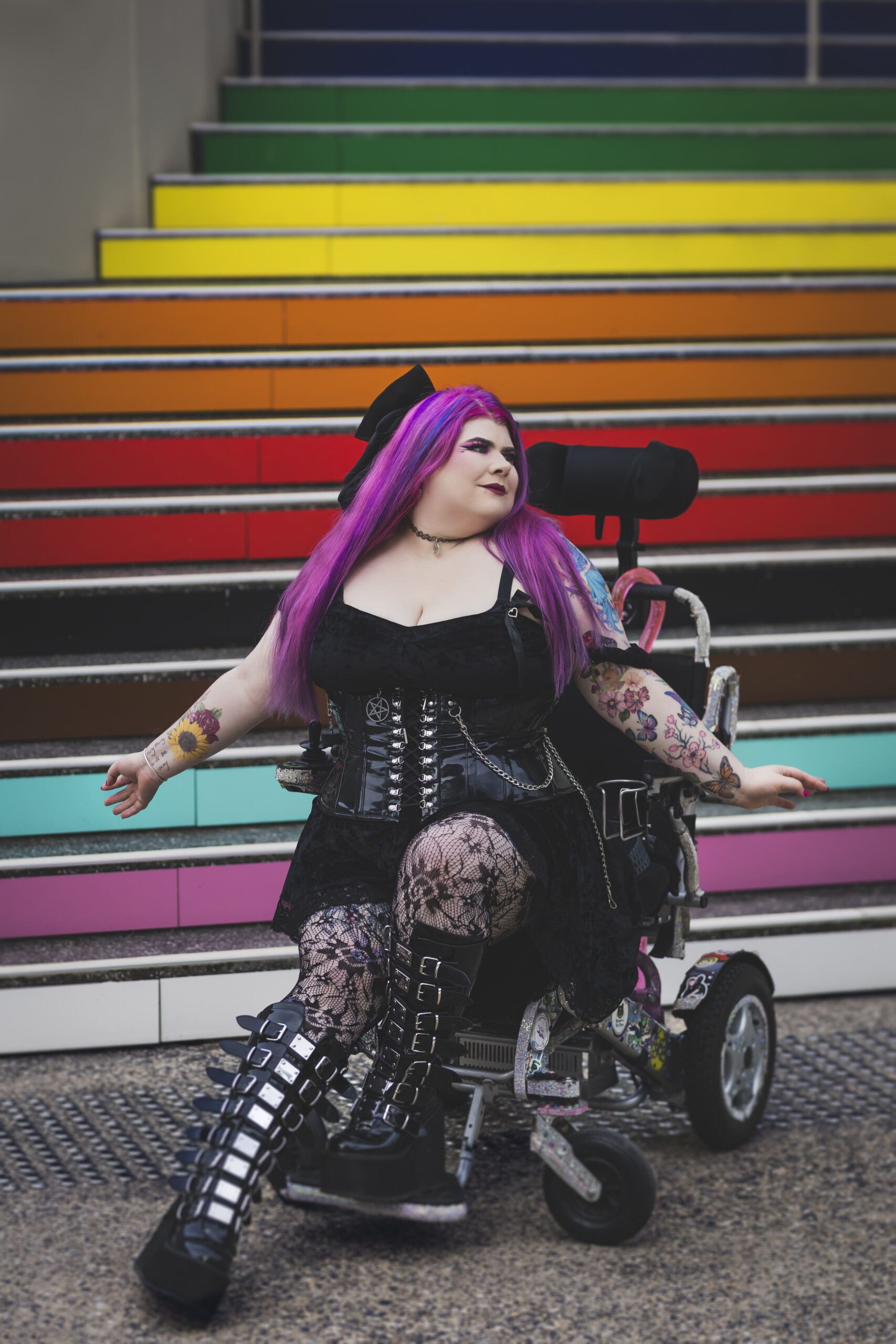
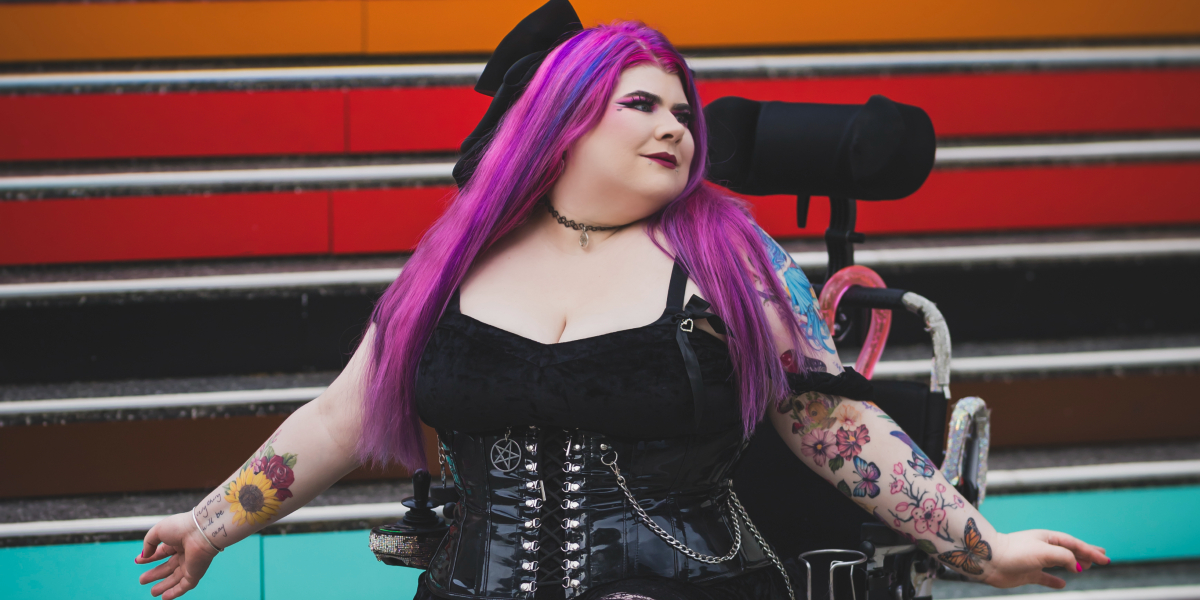
In a time where queer and trans people are continually being targeted, discriminated against, killed, and told we don’t deserve to exist, I think it’s never been more important to stand with community (metaphorically for me, of course – I’m an ambulatory wheelchair user).
I know I am not the only person who is struggling with their identity. It’s okay to question; it’s okay not to know; it’s okay for self-discovery to be a journey. Plenty of people realise they’re queer later in life, and we need to recognise that it can come with a lot of challenges, and make space for that.
So, I want to be loud. I want to be proud. I want to fight for our rights. And I want queer kids, teens and people of all ages to know they are perfect, they are loved, they belong, and they have a right to exist.
You don’t have to have everything figured out. I certainly don’t. But I do know: I’m here, I’m queer, and it’s time for me to cheer. Because I am OUT.
Woo hoo!