


Cervical screenings for queer and trans folks: Inclusive health care on our terms
By: Sexual Health Victoria


Advertisement
Content note: This piece discusses dysphoria and queerphobia in health care settings.
For many people within the LGBTIQA+ community, cervical screening can feel uncomfortable, inaccessible or difficult to navigate.
Many people experience barriers to screening, including gender dysphoria, a history of sexual trauma, and distrust of health professionals or health services. These barriers can result in negative cervical screening experiences or lead people to avoid accessing screening altogether.
Thankfully, cervical screening has changed significantly in recent years, giving people with a cervix more choice, flexibility and control over how they screen.
With self-collection, telehealth appointments and more, people can now access cervical screening in different ways that to suit their needs, circumstances and comfort levels.
These changes can help to make cervical screening more accessible for people who may previously have delayed or avoided it altogether.
Images: Courtesy of Sexual Health Victoria
The cervical screening test looks for the presence of human papillomavirus (HPV), a very common virus that can affect anyone with a cervix.
While most HPV infections clear on their own, certain types of HPV can cause cervical cells to change, that over time, may develop into cervical cancer if undiagnosed and untreated.
HPV is transmitted through sexual contact, including vaginal, oral and anal sex, genital penetration, sexual activity involving hands or sex toys, and intimate skin-to-skin contact between the genital areas.
With self-collection, telehealth appointments and more, people can now access cervical screening in different ways that to suit their needs, circumstances and comfort levels.
Everybody deserves access to health care that is respectful, affirming and person-centred.
As Australia works towards becoming the first country in the world to eliminate cervical cancer, access to inclusive screening services is essential to make sure nobody is left behind.
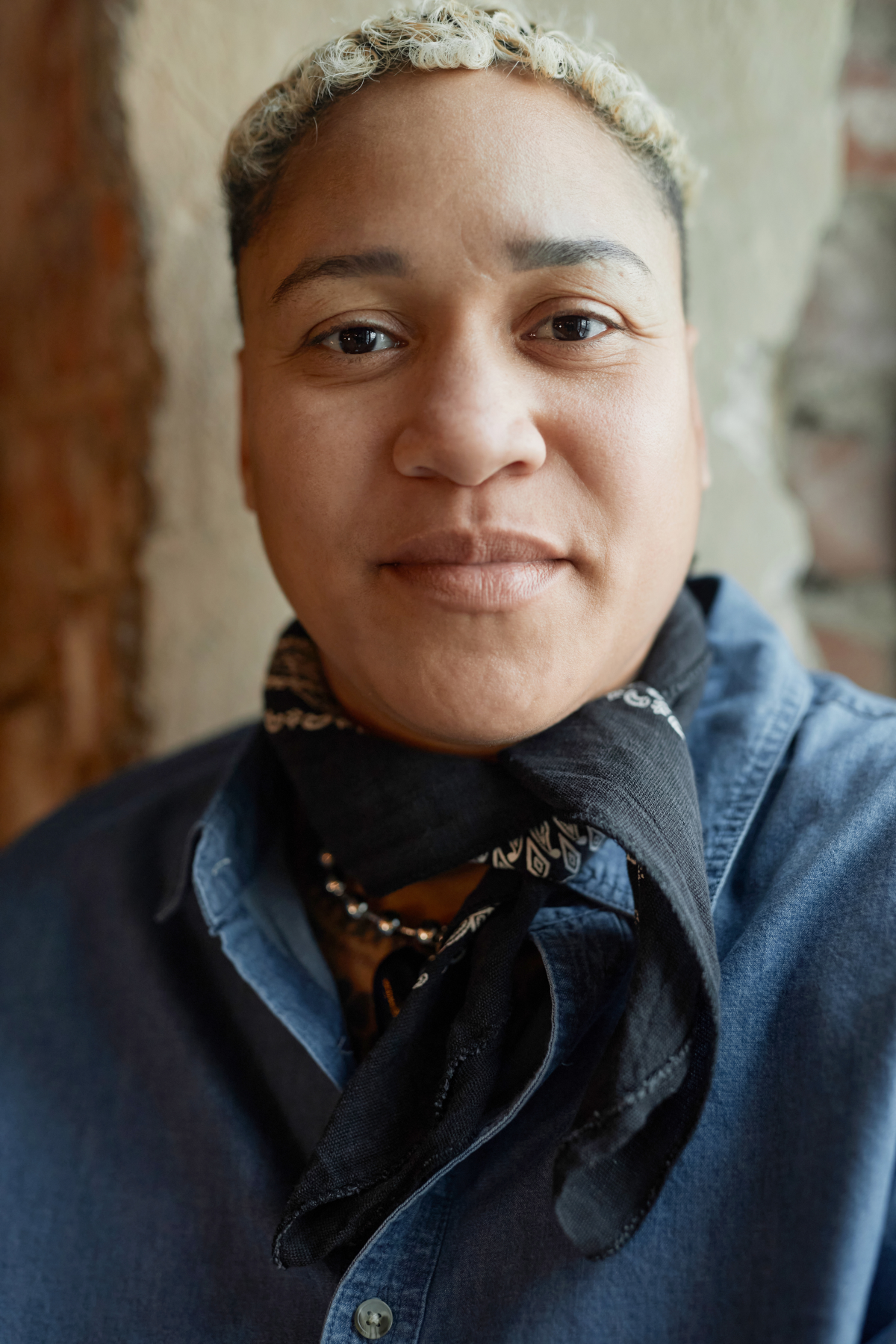
Everybody deserves access to health care that is respectful, affirming and person-centred.
One of the most significant changes to cervical screening has been the introduction of self-collected cervical screening tests.
Most people who are eligible for cervical screening in Australia can now choose to collect their own sample using a simple swab, taken in a private space. Self-collection is a safe and accurate option for people who do not have symptoms.
All you need to do is…
Insert.
Rotate.
Remove.
Self-collection can help reduce feelings of discomfort, vulnerability and gender dysphoria associated with screening. Having greater choice over how and when to do your test can make the experience feel more manageable and place more control in your hands.
Sexual Health Victoria has expanded its telehealth appointments for cervical screening.
Through a telehealth consultation, patients can speak with an experienced nurse, ask questions and discuss the screening pathway that feels right for them, all from wherever they please.
For people who have no symptoms and opt for a self-collect cervical screening, the kit can be posted so they can do it at a time and location that suits them.
For people with a Medicare card, this service is bulk billed, meaning there are no out-of-pocket costs.
For some people, avoiding a waiting room or unfamiliar clinical environment can make accessing healthcare feel less overwhelming.
Telehealth offers an opportunity to connect with a trusted healthcare professional in a way that prioritises comfort, privacy and individual needs.
Sexual Health Victoria’s clinical team has extensive experience working with LGBTQIA+ communities and is committed to delivering respectful, affirming, person-centred care.
More choice can lead to better health outcomes for you.

Despite improvements in access, barriers to cervical screening remain.
Research in 2020 by Wolters Kluwer Health found that 44.6 per cent of trans and gender-diverse participants had never had a healthcare professional recommend cervical screening, while almost half (48 per cent) reported never having undergone cervical screening.
These figures highlight why inclusive healthcare and greater choice matter. HPV can affect any sexually active person with a cervix, regardless of gender identity, sexuality or the gender of their partners. Regular cervical screening remains one of the most effective ways to prevent cervical cancer.
In Australia, if you’re aged 25 to 74 and have a cervix, and have had any kind of sexual contact, cervical screening is recommended every five years. This includes trans men, non-binary people and people taking testosterone.
If you have had a hysterectomy or are unsure whether you need screening, Sexual Health Victoria’s nurses can help answer your questions and guide you through your options.
In Australia, if you’re aged 25 to 74 and have a cervix, and have had any kind of sexual contact, cervical screening is recommended every five years. This includes trans men, non-binary people and people taking testosterone.
There is no one-size-fits-all approach to health care.
What’s most important is having access to information, support and screening options that allow you to make informed decisions about your health on your own terms.
Australia is on track to eliminate cervical cancer. Let’s make sure our communities are not left behind.
To learn more or book a telehealth cervical screening appointment with Sexual Health Victoria, visit shvic.org.au/book or call (03) 9257 0100.
Sexual Health Victoria is a proud supporter of Archer Magazine.