


Don’t call me mother: Divas, dolls and the archetypes of transfemininity
By: Bayley Turner with Malaya Bayanihan
Advertisement

Advertisement
Content warning: This article discusses transmisogyny, with brief mentions of spiking and stealthing.
You know her. The one vibrant girl in a group of gays standing in the queue, vibing on the podium, slipping in and out of cubicles, circulating through the smokers’ area engaged in riveted pseudo-sapphic conversation.
She is the provider of nightclub nurturing: dancefloor embraces, regulating head scratches and neck rubs, words of affirmation, deep yaps, vape hits, commitment-free MDMA pashes, help with fetching water and finding lost phones and bank cards.
She is equal parts vouched for, celebrated and protected by her posse of homosexuals. When ‘Milkshake’ by Kelis plays, she’s the star of the whole place.
But she is a complex creature, and she has a name. Before entitling her a ‘diva’ or a ‘queen’, consider what those affectations might mean to someone who just wants to be seen as she truly is, in a space she perhaps used to belong in very differently.
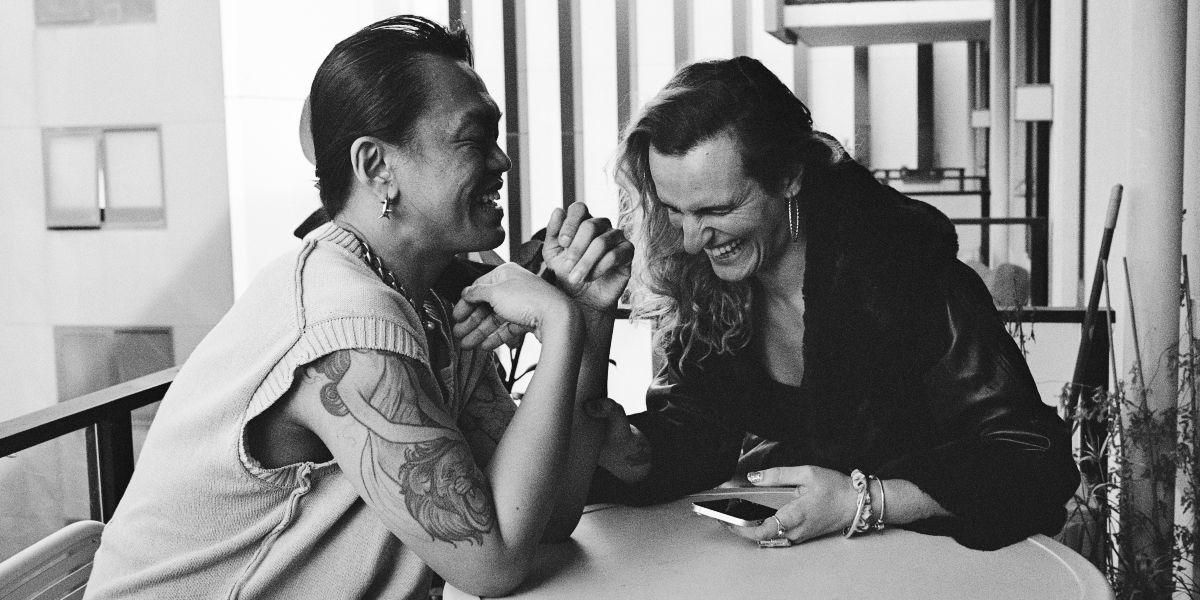
All images: J Davies
I used to fantasise about the life I have now.
Before I was old enough to see the inside of a nightclub, I would imagine myself walking into one, being recognised by hordes of attractive people talking, dancing and making out while I would strut along the perimeter, surveying the action – desirable, untouchable, impervious. It was the only way I could imagine myself ever fitting into such an environment – being adored, even admired, but never approached.
Who knew my adolescent powers of manifestation would be so potent?
As I unlearn and re-navigate queer spaces as a transgender woman, I’ve found that while trans people work to thrive outside of the binary, we seem to stumble into more of them: ‘brick’ or ‘doll’, ‘mother’ or ‘sister’, ‘passing’ or ‘non-passing’ (failing?).
It fascinates me that ‘mother’ and ‘doll’ are the archetypes most commonly ascribed to transfemmes – although I concede both are a significant improvement from the singular title women were granted when I first came out: ‘fag hag’ or ‘beard’ (and I make no judgement of those who find affirmation and security in those labels).
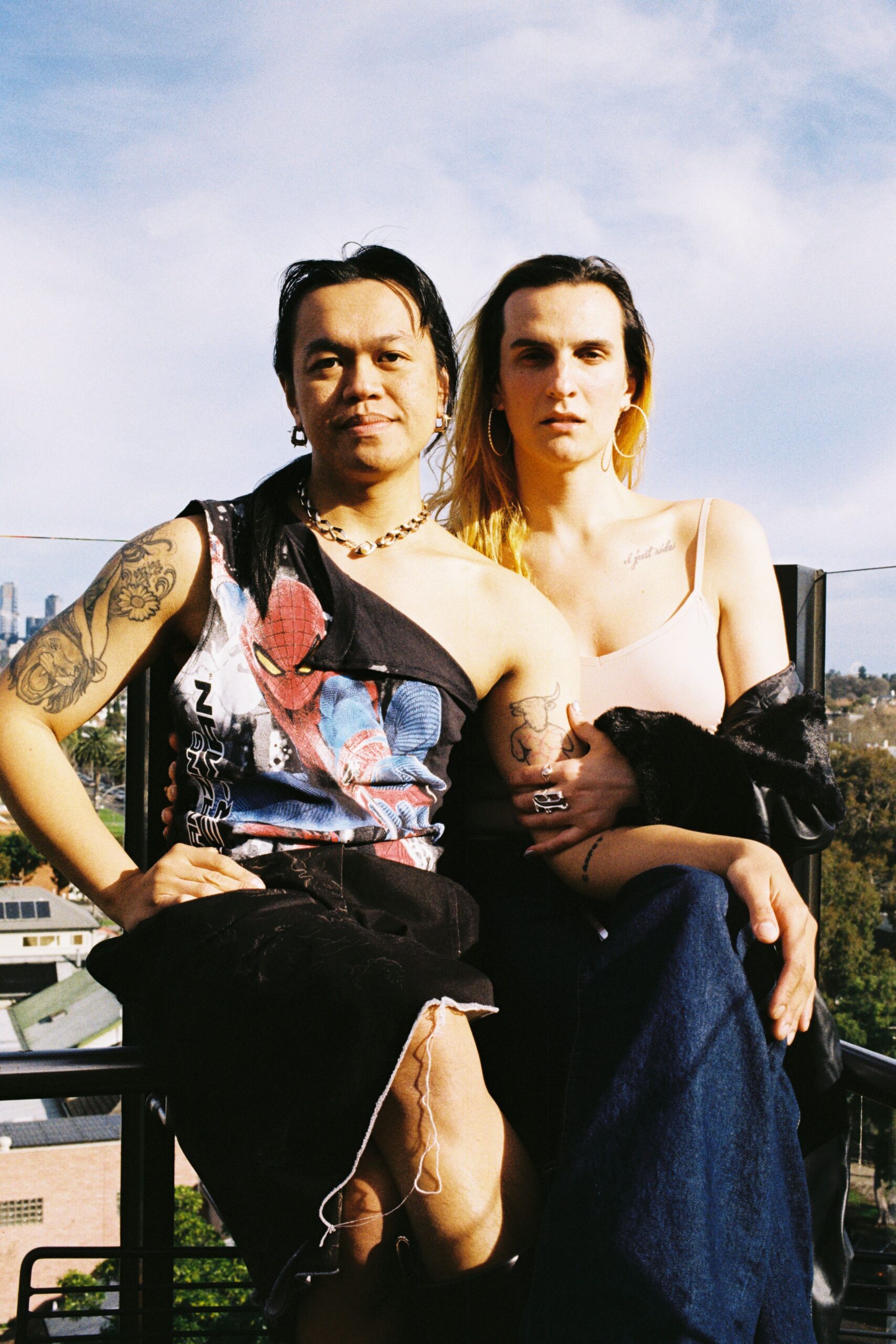
Image: J Davies
The concept of a ‘mother’ in the queer community is deeply rooted in ballroom culture: recognising women, particularly women of colour, who would house, mentor, protect, furnish, clothe and debut younger queer people who lost their blood family connections due to homophobia and transphobia.
Over time, the concept has expanded, first to roll call (often straight) female celebrities who engaged with and advocated for gay rights; think Jane Fonda, Elizabeth Taylor, Bette Midler, Madonna, Cher.
These days, the term can be ascribed to any female celebrity of any age whose music is on rotation in the club circuit or whose image is common on social media. And of course, rightly or wrongly, RuPaul.
As I unlearn and re-navigate queer spaces as a transgender woman, I’ve found that while trans people work to thrive outside of the binary, we seem to stumble into more of them: ‘brick’ or ‘doll’, ‘mother’ or ‘sister’, ‘passing’ or ‘non-passing’ (failing?).
When Conner Ives reinvigorated the “Protect the Dolls” slogan at London Fashion Week last year, another ballroom epithet was ushered into the mainstream.
Similar to ‘mother’, the meaning of ‘doll’ has expanded from its origins celebrating Black and Latina trans women who had achieved a state of femininity or hyper-femininity, often through gender-affirming surgery (hence the “life in plastic, it’s fantastic” connection).
There have been recent efforts to expand the term to describe drag queens, and even younger transmasculine people are also trying to find space for themselves in these labels, attracted to their history as incantations for safety and protection.
These labels arose from Black and Latina women’s will to survive. These labels were once essential, but have since been treated as optional, and inherent in that shift is our responsibility to regard the roots with more respect than to just bandy these words about as if they don’t hold significant cultural and historical weight, speaking to a particular group’s need for visibility and centrality in our fight for our rights.
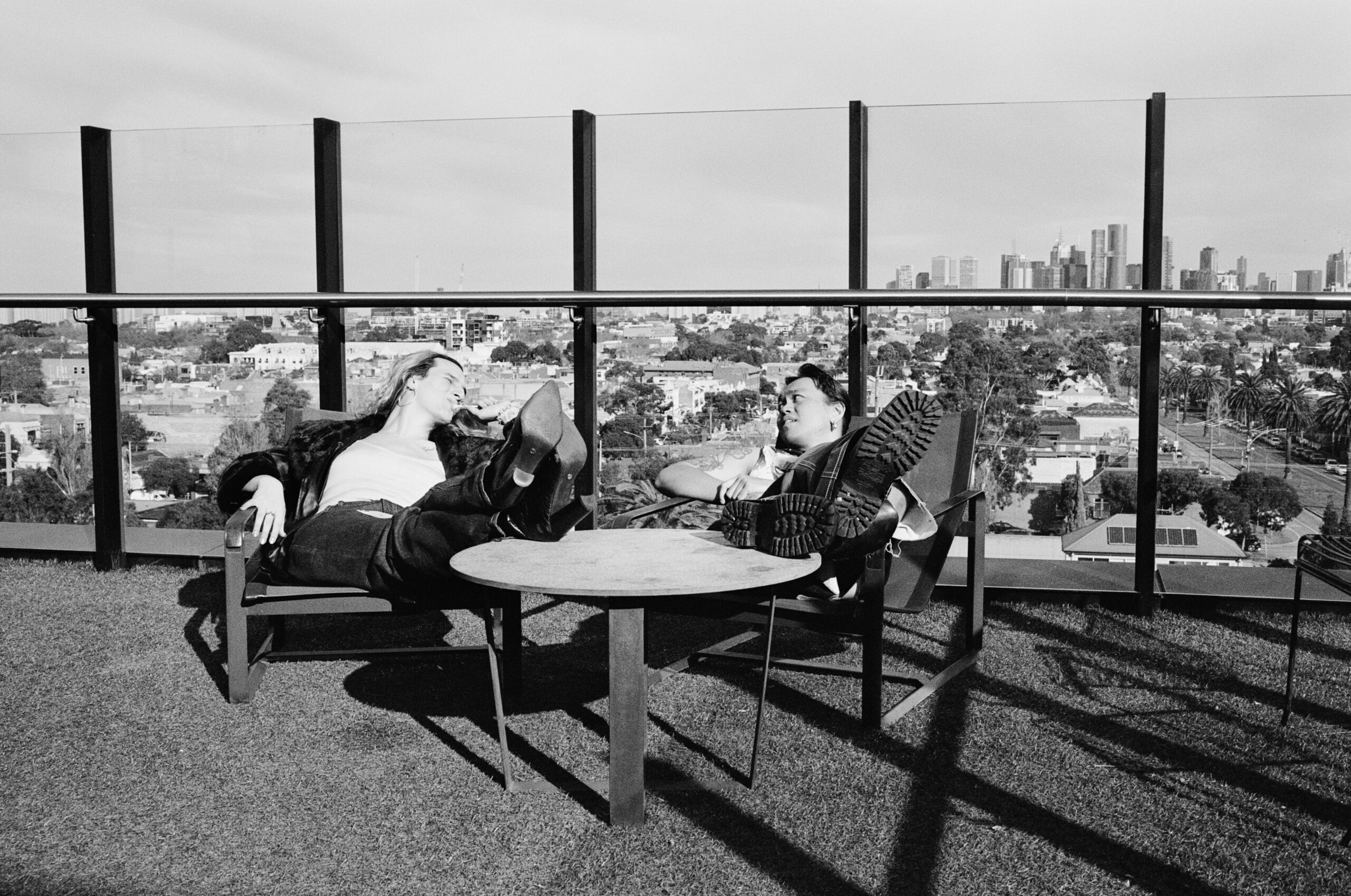
Image: J Davies
Being that I’m not a woman of colour, nor a passing woman, ‘doll’ and ‘mother’ just don’t quite fit me, and although I’ve certainly used them to in-group me with my sisters, I feel a sense of appropriation and imposition when I do.
My key to combating this sense of confusion and isolation is in intimate, vulnerable conversations with other trans people, particularly one of my Filipina besties Malaya:
“I think ‘doll’ puts a lot of pressure on trans people to look and behave in a particular way, when transness is a spectrum. The same way being gay is a spectrum. The same way being straight is a spectrum.
I also think it reflects the social media landscape we’re in right now, where everything is foregrounded by aesthetics and visuals. It doesn’t talk nearly enough about the systemic and structural changes that actually need to happen for someone to look a certain way.
One of the things that has grounded me in my own gender expression has been returning to my roots. In some cultures in the pre-colonial Philippines, the Babaylan, the closest thing I could equate to transness, were understood as embodying a harmony between different energies. That way of thinking has become an important anchor for me. How I choose to represent myself is ultimately a way of honouring my Filipino ancestry.”
The other likely reason that these terms have caught on more broadly – away from their cultural roots – is that they are in essence non-threatening. They speak to forms of womanhood that men are most comfortable with.
Playing with dolls and being too attached to one’s mother is right at the forefront of the gay stereotype, which is ironic when we investigate the amount of misogyny a girl can face among these men. I feel as though I have an insider perspective on where the misogyny of gay men can come from.
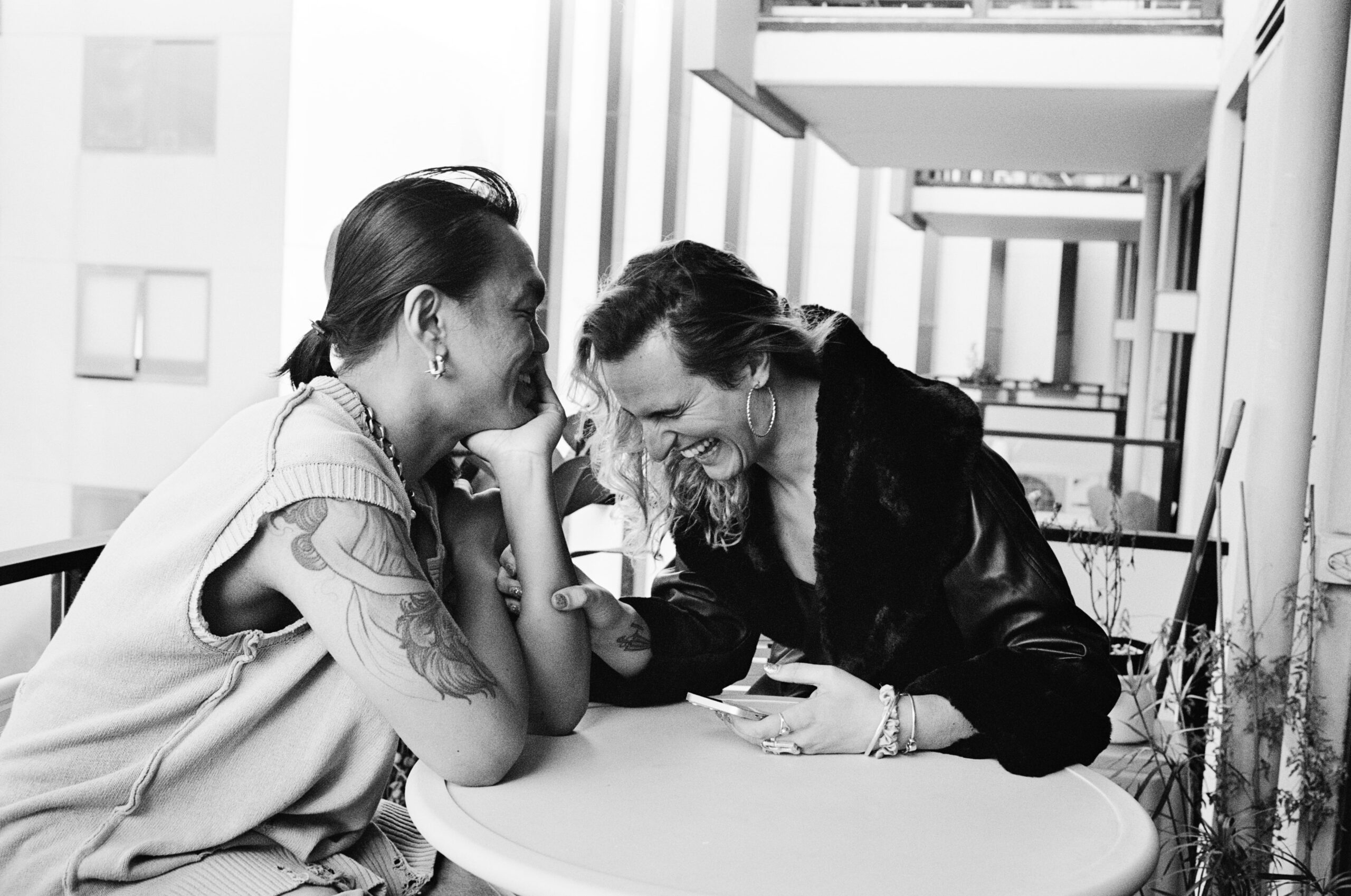
Image: J Davies
When I came out as gay at 15, I remember the interrogative questions I was subjected to:
Why don’t you like girls?
Maybe you should try being with a girl first?
How can you not be aroused by women?
I remember how persistently and passionately I had to insist that I wasn’t interested in women at all to prove I felt the way I felt about men, so I could be believed, and gradually understood (or perhaps just categorised). I saw how those same interrogations impacted the gay men I started spending time around: single-sex spaces, giggly remarks about vaginas being “gross”, the “Gold Star Gay” standard, the misogynistic attitudes blamed on bachelorette parties and bitches from work.
Paradoxically, the trend of men referring to their sexual entrances as ‘pussy’, ‘bussy’ and ‘man cunt’ spread rapidly across pornography. It angered me in a way I couldn’t initially articulate.
The truth was, I did have crushes on girls as a teen, but I knew that to pursue them would disrupt and possibly erase all progress I’d made to be validated as queer – and validation is such a critical need at those early stages.
Now as a trans woman, I find myself struggling with how discardable I’ve become.
The other likely reason that these terms have caught on more broadly – away from their cultural roots – is that they are in essence non-threatening. They speak to forms of womanhood that men are most comfortable with.
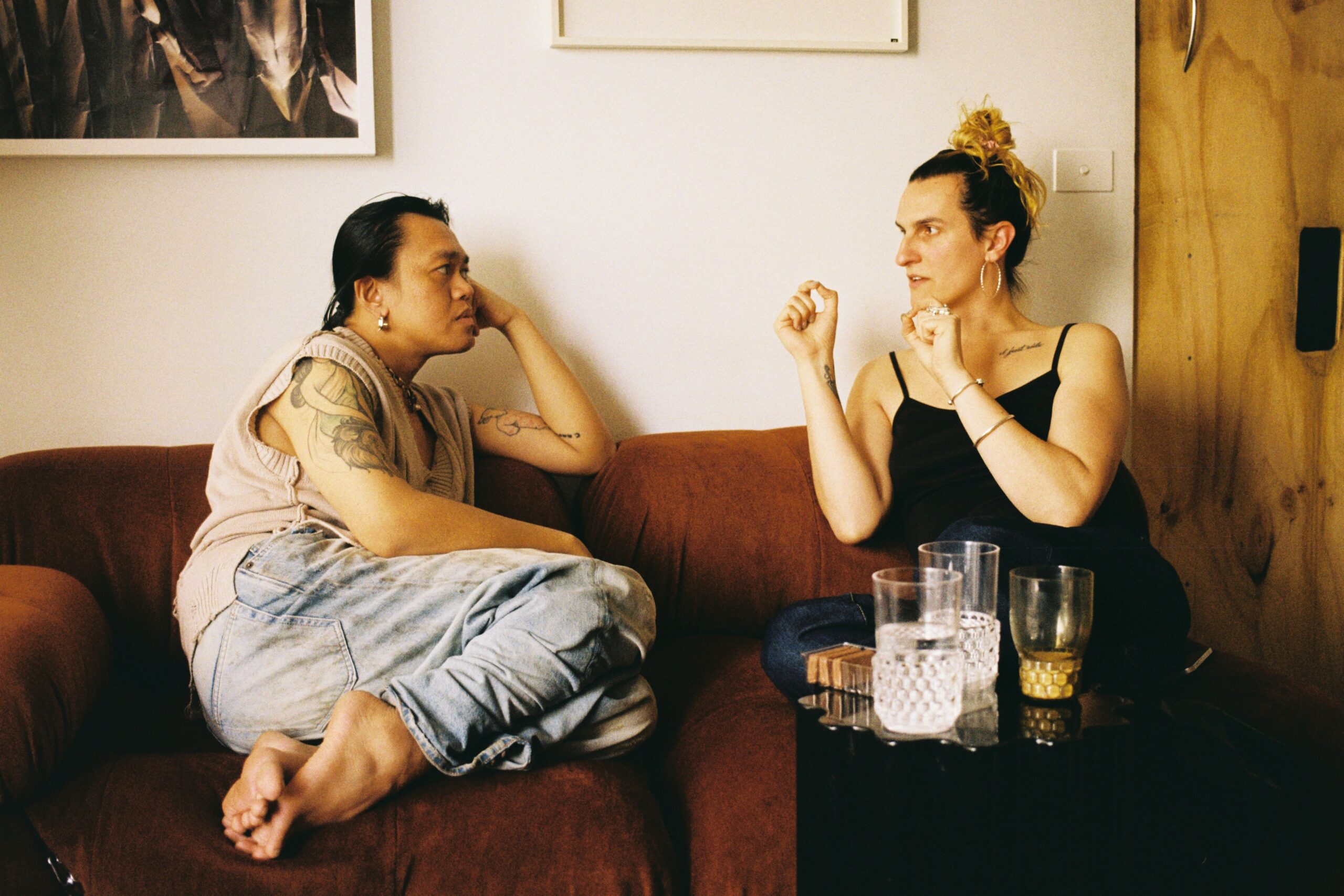
Image: J Davies
For all the ways I feel welcome among gay men, there is an invisible line I am cautious not to cross: a time of night when the vibe shifts and I go from being a highly-favoured guest, to a woman who has outstayed her welcome; from a feature, to a threat.
Gay men have booed loudly in my ear when incensed by me kissing a male friend. I’ve been asked to move out of sight by security when getting too friendly with other femmes. When walking across the room to say an affectionate hello to a guy I’d had sex with before, I’ve been openly glared at and whispered about by other men sniffing around him – one of whom pulled me aside shortly after to tell me I was pathetic and embarrassing myself.
Malaya and I talk about how this call is often coming from inside the house:
“I saw very early on how much of our culture can be deeply anti-effeminate. A lot of that sits inside the broader misogyny of the society we live in. But it is also shaped by the trauma many gay men experience from being attacked, abused or harassed for our femininity. There is also a part of gay culture that absolutely obsesses over, glorifies and centres masculinity. Masculinity and femininity are not opposites that cancel each other out. They can coexist. They can communicate with each other. They can even strengthen each other.”
Shortly after I transitioned, I had a lover who identified as bisexual but hadn’t been in a relationship with a woman for a long time. I was stunned at how quickly and cruelly his friends turned on him when he dared to enjoy a part of his sexuality they had technically known about – but pretended didn’t exist – and how they punished him for “thrusting it in their faces”.
At the same time, it makes total sense to me when you see how society demands inflexibility in men’s sexual identities and experiences, and how that becomes entrenched in one’s own peers to the extent that they view any kind of exploration as regression and betrayal.
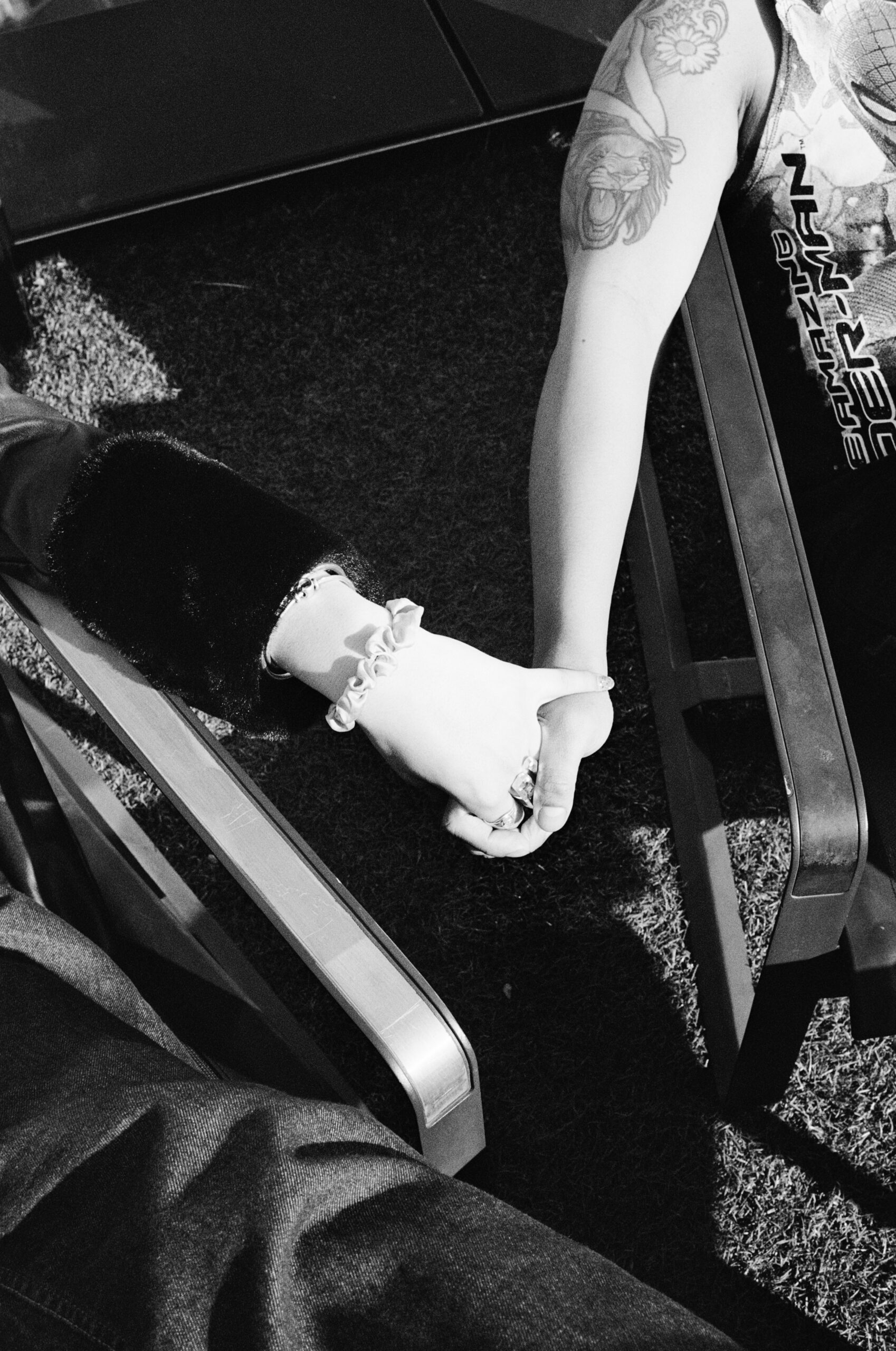
Image: J Davies
Certainly in the early days when I interacted with the world as a gay man, try as I might, I wasn’t feeling very validated in my identity by the other gay men around me.
I wasn’t invited to join groups, I wasn’t engaged in flirtation or cruised, I wasn’t in on many of the jokes. Indeed, I was often given a visible berth in queer spaces; antechambers of empty space would form around me on dance floors. And whenever any of this wasn’t the case, I was otherwise being harassed, stealthed or even spiked.
The first sorrow of my transition was the belief I would lose my connection with the gay male friends I had been able to connect with: men I treasured very deeply, but who mostly saw women as superfluous to their lives. That was until I was introduced to these new roles for the girl at the club, and I’ve since felt caught in the conflict of women being unwanted unless they perform as plaything or caregiver.
‘Mother’ and ‘doll’ were my tickets back into belonging, and while they may still feel like ill-fitting boxes, I can’t deny they have granted me a foot in the door.
Masculinity and femininity are not opposites that cancel each other out. They can coexist. They can communicate with each other. They can even strengthen each other.
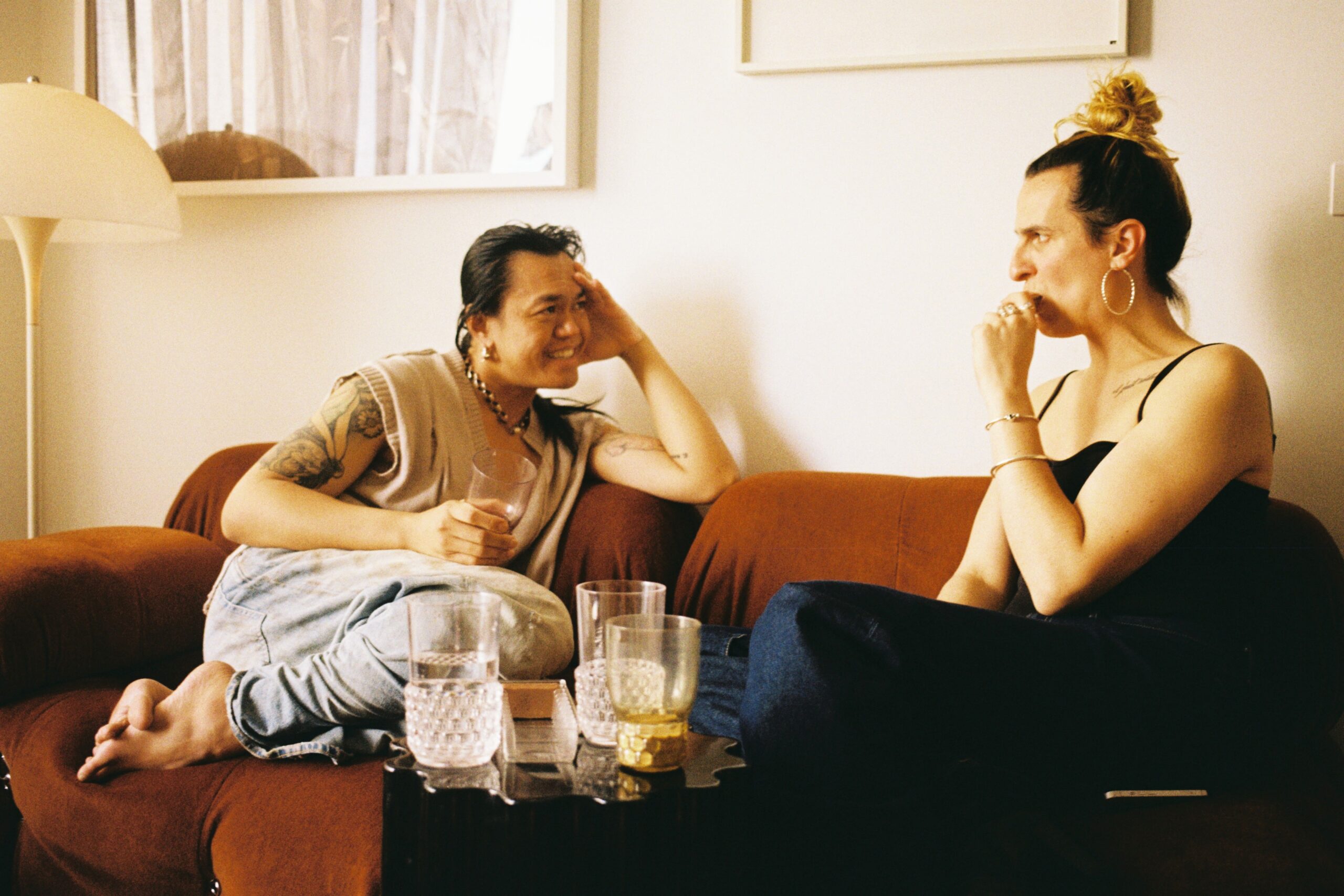
Image: J Davies
I do still frequently feel like an outsider, though. I’m often looked upon with suspicion or derision, and while there seems to be so much contention about my right to be in these spaces, chasers tracking me down there are able to move freely, which for some is better than the alternative to all of that: being invisible entirely.
The grief trans women feel after losing a critical sense of belonging and access to spaces for pleasure and affirmation is significant. It’s a big factor in why some of us struggle with, sometimes even lash out against, the new limitations placed upon us in enforcing the ‘etiquette’ of these spaces.
Malaya says:
“I now choose to engage in spaces that actually feel like they are for me. And when I do enter spaces that are predominantly designed by and for gay men, I also hold the understanding that not all spaces are meant to include me in the same way, and that is okay. At the same time, we do need to acknowledge that exclusion and inclusion still exist within our communities.”
Perhaps the most obvious evidence of this is how trans women are not often seen socialising in groups in certain cities (nor in media depictions).
Trans women seem to frequently appear in the clubs as sole lionesses in a pride of lions. We spot each other, we engage briefly to air-kiss and exchange compliments, and then we move off into our own bubble of space to ensure we are seen as incidental novelties, not invaders.
This seems to me to be a particularly Australian, perhaps even Melburnian, phenomenon – I was amazed by the camaraderie I witnessed among large groups of trans women partying together when visiting New York. This is why the time spent with my siblings outside of the club setting are so critical to survival and healing.
During our latest conversation, Malaya reflected:
“Doing sex work and meeting straight men in these vulnerable moments has taught me a lot about gender. I once believed I had to present a certain way to be desired and booked, but many of these men have instead described gender as an energy. As one of them put it, ‘I consider myself straight because I’m attracted to an energy that’s different from my own.’
Those encounters have been unexpectedly gender-affirming. They’ve given me the confidence to sit more comfortably in my intangible, sometimes illegible, and often ambiguous self. As José Esteban Muñoz wrote, ‘Queerness is not yet here… We may never touch queerness, but we can feel it as the warm illumination of a horizon.'”
I certainly look forward to a day when we can de-escalate the politics of our identities and enjoy the few spaces available to us as a whole community, free of the outside world’s patriarchal, racist and fatphobic nonsense. A queer space is not where we should interrogate or police how each other’s identities are named, framed and expressed; our community should exist as respite from how prevalent that behaviour is in the wider world.
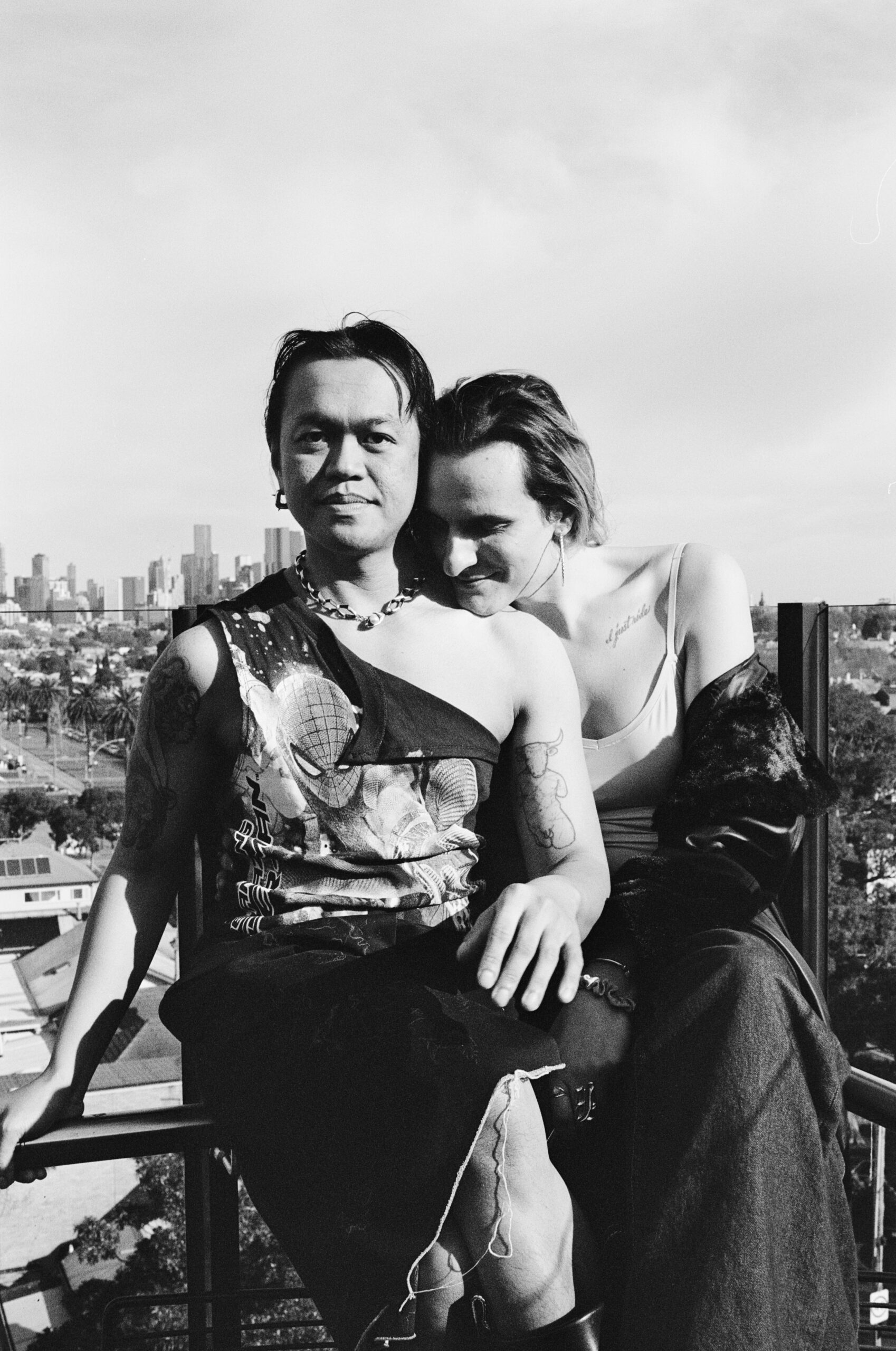
Image: J Davies
What I have found is that somewhere in these ‘mother’ and ‘doll’ roles is a yearning by others to feel closer to womanhood – that there is a healing happening in these connections, a permission to love women in a fashion that doesn’t compromise anyone’s sense of self-identification as queer or even gay. It may be complex, even fraught, but as Malaya so exquisitely puts it:
“When I think about feminine energy, I associate it with gentleness, psychological interrogation, meditation, and a deeply relational way of being. At the same time, I am very aware that everyone has their own personal relationship to these ideas. Gender has a way of trying to crystallise meaning, to fix people into expectations. And that is something I remain critical of. That is why I am drawn to moments and people who resist reinforcing rigid ideas of what gender is meant to look like. Because the real power, for me, does not come from performing the feminine in one prescribed way. It comes from keeping it expansive, porous and alive.”
As a trans woman, I am accused daily by politicians and TERFs alike of taking up space that isn’t for me. I understand their hope is that we will evaporate altogether.
For me to step out into the world is a radical act, and I won’t stop doing so until I am afforded the same nuanced humanity everyone else is fighting for, until there is insight and compassion for what it means for me and my friends to seek welcome and liberation in spaces fought for by the real mothers and dolls out there.



This was wonderful, and has me thinking a lot about some of the different gender/sexuality space navigation (as someone who is way more in dykey/queer spaces than I ever was in gay male spaces, though also navigating biphobia). Great piece, thank you!