

Archer Asks: Gavilán Rayna Russom on dungeons and dancefloors, S/M history, electro freakery and trans expression
By: Dani Leever
Black Meteoric Star is a project Gavilán Rayna Russom started when she was living in Berlin, a guise which brought together her lifelong love of dance music culture with spiritual themes, drag and her formative experiences of S/M (sadomasochism) culture.
Rayna, a transgender woman, has been a DJ and producer of electronic music for over thirty years and has been producing community cultural events for as long. She has also been involved in kink and BDSM for decades. Rayna made international headlines in 2017 when she came out as transgender while touring with LCD Soundsystem. In 2018 she left the band to pursue projects that were more connected with her queer experience, including founding Voluminous Arts – a cultural organization that supports trans artists.
I had a wildly fun and insightful chat to Rayna over Zoom, during my chilly Melbourne morning and her sweltering New York night. We chatted about leather and S/M histories, why gay club music sounds the way it does (for people to fuck to), trans knowledge creation and whether or not society is ready for a Bossy Bottom Summer.
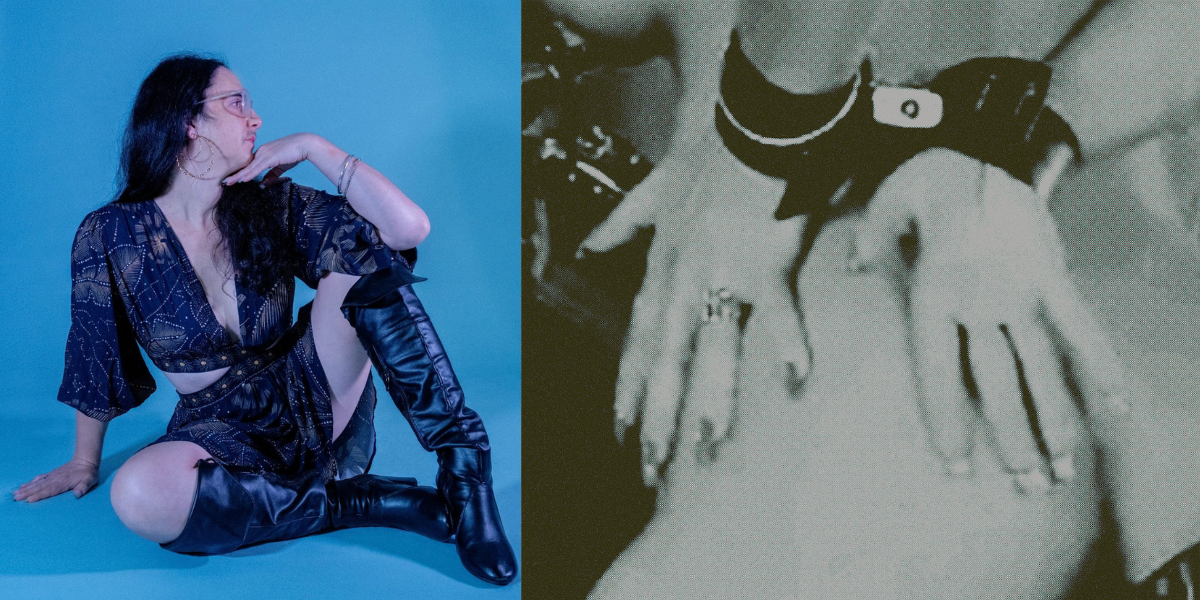
Images: Left, image of Gavilán Rayna Russom by Olympia Lolo. Right, Wet single artwork by Dasha Lugovin.
Dani Leever: Hey Rayna! It’s so lovely to meet you. Firstly, talk to me about Wet, the upcoming release from your musical project Black Meteoric Star. What is Wet, and how has it come about?
Gavilán Rayna Russom: So the album has collected tracks from pretty much the entire life of the Black Meteoric Star project. I think the earliest one on there is ‘Pombagira’, which is from 2008.
Black Meteoric Star started in 2006, and was really this return to making solo music after I’d been involved in a lot of collaborations. I was living in Berlin at the time.
It was this way for me to put together a whole bunch of different influences and experiences into a single project. It draws a lot from different kinds of electronic music, some of which I grew up with, like freestyle, electro, house and techno.
It also draws from punk a lot. There’s ecstatic disco on there, but there’s also, like, ‘Lion Share’ by Germs from the Cruising soundtrack. Then there’s a lot of rock, but rock of a very particular type: it’s not really hard rock and it’s not really psychedelic rock, it’s a kind of rock music that existed in the late ’70s and early ’80s, but then got obscured by more well-known ’80s production.
Wet is interesting, because in some ways it’s an archival release that speaks to the history of the whole project.
DL: Oh, that’s cool. So all of the tracks and themes existed, and then you were able to fit them under a new umbrella.
GRR: Yeah! Once I started to put it together, I was like, Well, what [are these tracks] now that they’re formed into this work?
Queer S/M culture has always been a very big influence on the Black Meteoric Star project. I started to think how that is the story this album tells: how dancefloors and dungeon floors have this shared history.
As soon as I started thinking about that, just from everywhere, different things started to come in, where I was like, This is not just something I made up. This is the real history that’s just out of the light, you know? Those two things [dungeons and dancefloors] are marketed in these very different ways that have obscured that shared history.
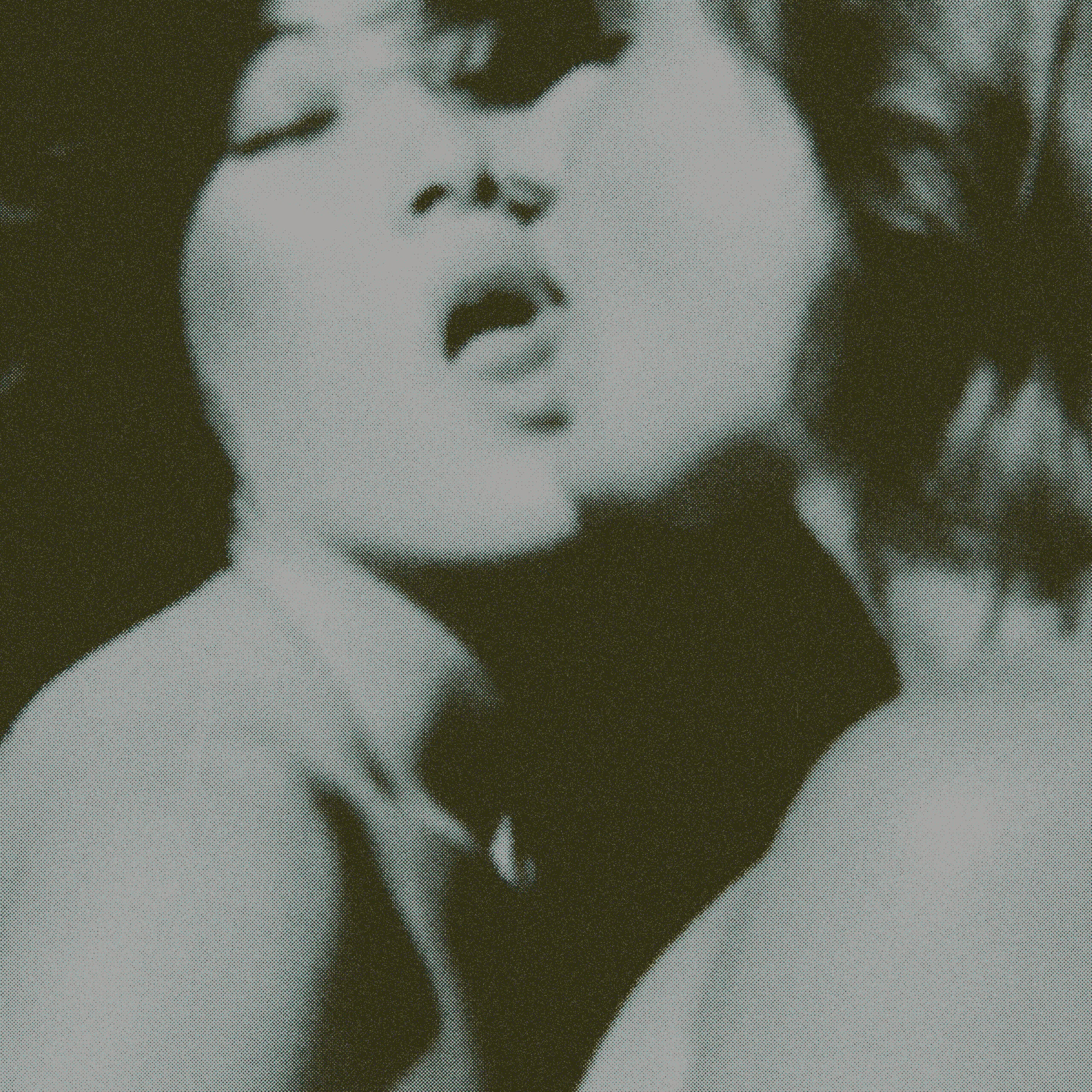
Image: Album artwork for ‘Wet’. Courtesy of Black Meteoric Star. Credit: Dasha Lugovin.
DL: That’s really interesting. I read recently how, with Wet, you were referencing – and trying to bridge – this shared history between electronic music, dance floors, and dyke and leather queer culture. Can you talk to me about that?
GRR: Yeah, I mean, there’s the personal part, and then there’s the cultural part.
In the 2000s, there was a revival of a very particular type of disco that emerges from gay culture in New York and San Francisco. It became very popular. DFA Records, who I was affiliated with for many years, were a big part of that. Many things emerged out of the rediscovery and reissue [of that genre].
One thing that I’ve written about a lot is that musicians and producers are only part of why particular styles of music sound the way they do. Especially before the advent of digital home production.
Most kinds of music emerged from social life, you know, like hip hop being created in the Bronx or house being created in Chicago. These things emerged because people were getting together, and that needed a soundtrack.
So when that kind of disco music became so re-popularised in the 2000s, a lot of why it sounds like that is ’cause it was made for gay guys to fuck too.
DL: Hell yeah.
GRR: The people that were producing it and DJing it were understanding, like, [gay clubs] are an avenue in which my music is appreciated. That created a feedback loop. A lot of those gay guys who were fucking to that disco were also involved in S&M leather culture.
Queer S/M culture has always been a very big influence on the Black Meteoric Star project. I started to think how that is the story this album tells: how dancefloors and dungeon floors have this shared history.
Recently, a friend of mine Beth Schindler, a curator and artist in Austin, Texas, shared with me this playlist by Gayle Rubin, who’s a very important thinker and writer about lesbian S/M culture. It’s a playlist of what Rubin remembered hearing at the Catacombs [which Rubin called “‘music of the baths,’ or music programmed to enhance S/M or fistfucking”] in San Francisco in the 1970s.
It’s one of those things that just got put in my lap as I was like working on the release [of Wet]. Wow, I started to feel out this connection. And this playlist is like, disco. It’s got a lot of disco. It’s got some strident rock stuff. And then it has ambient electronic music.
For me, the story of Gayle Rubin and Samois, all those women and trans men within the spaces of gay S/M culture, wanting something like that for themselves and building it over time, is an amazing story. And the soundtrack of that story includes dance music, ambient electronic music – it includes all these things that now have been so separated from that history. So I do think that Wet is like a way to shine a light on something that’s sort of hiding in plain sight.
When that kind of disco music became so re-popularised in the 2000s, a lot of why it sounds like that is ’cause it was made for gay guys to fuck too.
DL: My god, that’s so cool. I’m a DJ, so I really love hearing about those queer music histories. I’m really interested in that point you’ve mentioned where leatherdyke culture kind of split off and created its own subsection within the community. How has that split informed your life and experiences in these scenes?
GRR: Well interestingly, as a trans woman and a lesbian, I, in a way, followed a very similar trajectory as those original leatherdykes in the ’60s and ’70s, because I ended up a lot in gay S/M leather spaces.
I mean, basically I came across as a twink, you know what I mean? [laughs] I was using masculine pronouns and presenting as man and was flooded with testosterone and all those things.
I got introduced to S/M culture when I was very young, through a lot of different things. Growing up in the ’70s and ’80s, it really permeated pop culture in a lot of ways. Punk is the most obvious one of those ways: part of punk fashion was wearing bondage gear and wearing leather. So it was always very around and I was always very attracted to it.
When I was an early teen – 14 or something – I was meeting people in the punk scene who were older and were in S/M couples, so I was sort of first introduced to S/M through straight people, and I just was like, That’s just not… that doesn’t fit for me.
It was that experience – the trans experience, the queer experience – of just feeling in the dark, and being like, there’s something that I am, there’s something that I’m needing and desiring that doesn’t exist around me. I know it’s there, and I’m gonna keep looking until I find it.
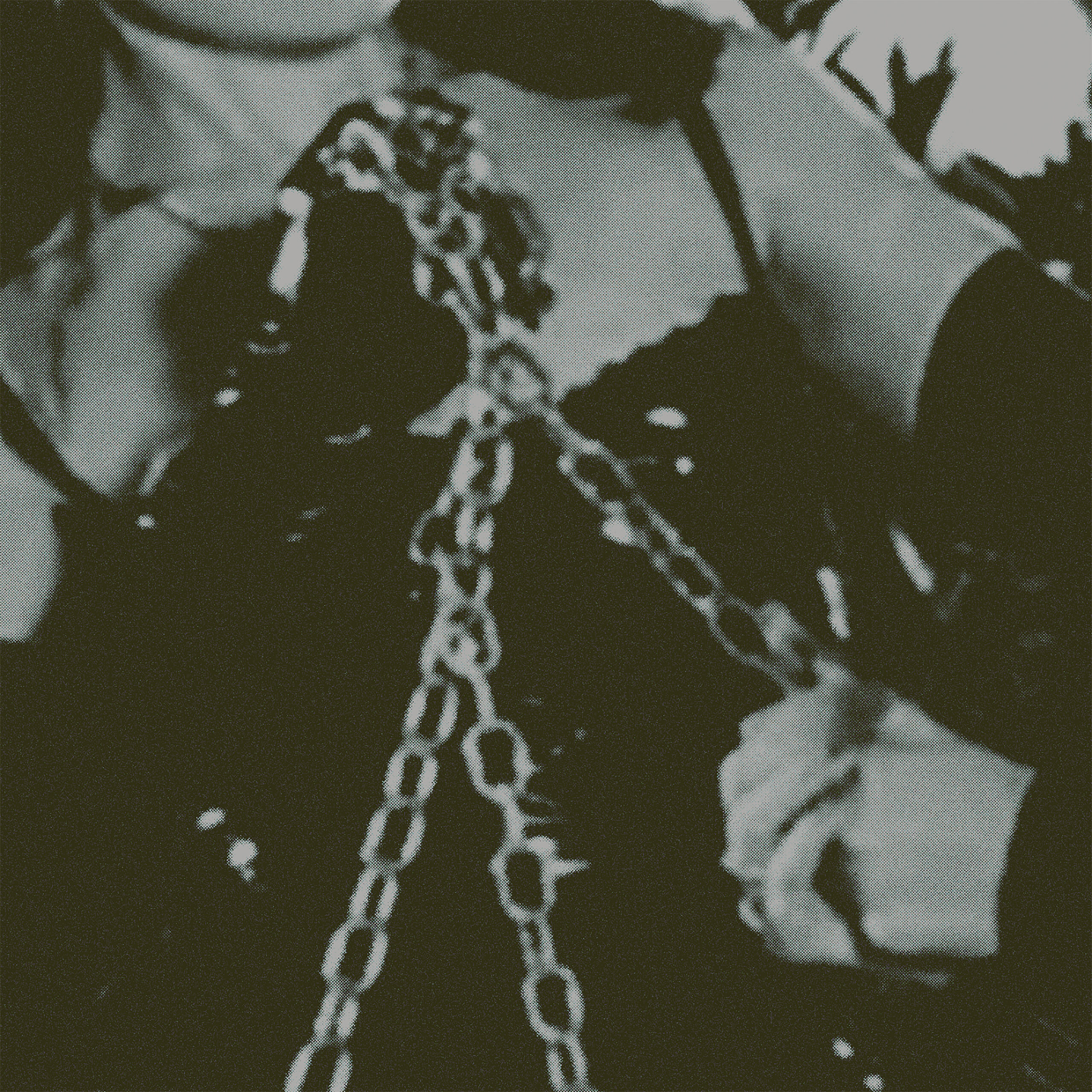
Image: Single artwork for ‘Subwoofer Speaker Freaker (SFF Remix)’. Courtesy of Black Meteoric Star. Credit: Dasha Lugovin.
I tried to be in straight S/M spaces because, you know, I was male presenting at the time, and attracted to women. So it was like, That’s where I guess I’m going to go, but it never worked.
And so culturally, I was much more at home in gay spaces, but there wasn’t the sexual component. There was a point in the night where I was like, I’m gonna go! I’m enjoying the music and I like being in this space, but I’m not interested. [laughs]
So then when I started transitioning, a lot opened up for me. I found my community and became much more involved in the cultural part of it, below the surface of the practices. There are the things you see in S/M, but [underneath], it’s the amount of care and connection and knowledge keeping. In that way, leatherdykes really value a lot of the things that are important to me.
It was that experience – the trans experience, the queer experience – of just feeling in the dark, and being like, there’s something that I am, there’s something that I’m needing and desiring that doesn’t exist around me. I know it’s there, and I’m gonna keep looking until I find it.
DL: I love the idea of you being at the club, all the gay boys just start fucking, and you’re like, Have a good night, fellas. It’s been fun! [laughs]
GRR: Yeah! I’m like, There’s a limit. I mean, I would stay all night! I’ve DJ’d gay sex and play parties and I loved it. I’m like, This is so amazing, I love doing this. Y’all are doing a great job, you know? And it’s fascinating, but it’s just not my thing. And I’ve DJ’d some after parties at Folsom Street Fair – like, a leatherdyke party. And that where I’m like, Okay, yeah, this is really hot. [laughs]
DL: I DJ’d at one of the main gay man nightclubs here called The Laird; I played a leather night there. It was the exact same experience. I was like, I love it here. Good for you guys! [laughs]
GRR: [laughs] Yeah, exactly! Was that in Melbourne? Did they have a party called GROT? I played there in like, 2019, I think. That was cool. The branding was very S/M culture.
DL: Oh amazing! At those gigs, you’re like, This is a queer space and it’s also a subversive space. I feel very at home there, probably moreso than at the Mardi Gras parties, which are often a lot more clean cut and for cis gay men.
The kink and leather nights, even if you’re like, There are some differences between me and this cohort, there’s a real connective tissue. Leather is this really beautiful unifying force across different queer subcultures and experiences.
GRR: Yeah! Using the word “subversive”, you just jogged something for me. There are these ways in which the culture of the United States, and a lot of structures that came out of the colonial period, create this very strong sense of like acceptability – you know, of what is acceptable behavior.
What is acceptable behavior is this incredibly narrow thing. That’s why people watch tons of porn. There are desires that people have that exceed that idea of what is ‘acceptable’.
Leatherdyke culture and leatherdyke spaces are a place for that other zone: where is the gap between acceptable behavior and human desire? It’s about how people hold space for each other to be in this place of doing things that are not ‘acceptable’.
Leatherdyke culture and leatherdyke spaces are a place for that other zone: where is the gap between acceptable behavior and human desire?
I mean, society exists so people don’t murder each other. [laughs] Because I feel like at our core, that is what we would do. So society has to exist, but it leaves all of these things out.
Leatherdyke culture is something that has done an incredible job of saying, Let’s open that up a little bit more. It does that through community values, a lot of care and a lot of knowledge, like, If you’re going to you hurt somebody who wants to be hurt, here are the ways that you can do that. [Those ways] are created by decades and generations of people trying things.
It’s about learning. There’s aftercare, there’s negotiating, there are all the ways that you can enter into a space of violence and perversion and do that in a way that is still held with some kind protocol – some kind of way.
What happens in consensual S/M is very different than assault. What makes the difference is this incredible repository of knowledge that’s been created decade after decade, generation after generation. Because those desires exist in people, you know, so it’s a way of holding space for each other’s truths and realities.
It’s about learning. There’s aftercare, there’s negotiating, there are all the ways that you can enter into a space of violence and perversion and do that in a way that is still held with some kind protocol – some kind of way.
DL: For sure. It’s providing safety and structure around those desires, so we can talk about them as desires. It’s about facing perversions that many of us have, but with a lens of community care.
GRR: Yeah, and where is it going? What is the map that desire is drawing? Rather than being like, Well, I just can’t deal with that desire. Where can it go? Where does it take me? What does it tell me about myself?
In certain ways, it’s embedded in the sounds of those spaces. We’ve reached a point now with music where it is so packaged, it’s so genre fixed. In most S/M spaces, you’re going to hear a specific kind of Boy Harsher-adjacent kind of dark techno. That’s the thing I like about the Gayle Rubin playlist: you can hear how that turned into [the current S/M sound].
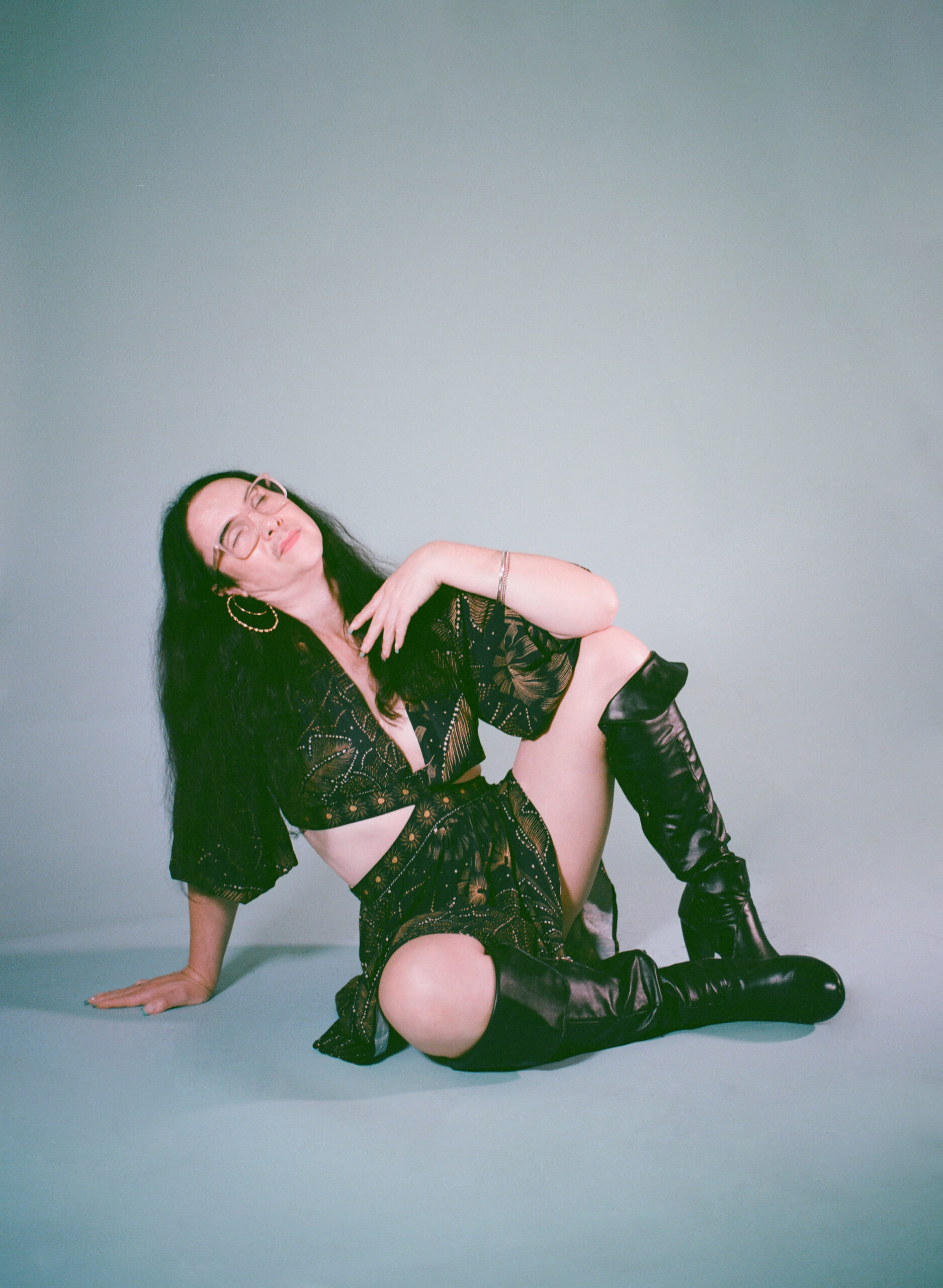
Image by: Olympia Lolo
DL: Yeah! It’s so interesting, ’cause the playlist that you’ve mentioned, not only is it capturing that sound, but it’s also operating as a type of sonic archive.
As you’re saying that, I can hear how Wet reflects how that sound was created, because it’s very… hard edges, angular, metallic, and it’s just like, thwomping hypnotic sound. It kind of makes you feel like you’re smelling bootblacking equipment.
GRR: Right! Between the Gayle Rubin playlist and Boy Harsher is, like, D.A.F [Deutsch Amerikanische Freundschaft or “German-American Friendship”, a German electropunk band formed in the 1970s]: something that’s beginning to take that form – something stripped down to just, relentless drum machine.
It’s Korg MS-20 on a loop and some barked vocals. And, you know, two gay dudes in leather. [laughs]
DL: Is that why you think that sound is so applicable to those spaces? Because they’re hypnotic, sharp, leathery, barking noises that sound like S/M?
GRR: I mean, this is the thing that I’m excited about in this life and this world: the idea of experimental knowledge creation.
People try things. And some of those things lead somewhere, and some of them don’t. That’s something that happens in S/M. A lot of people, especially if they’re new, they’re like, Well, I’m curious. What is it like to get spanked? And then they get spanked for the first time.
They’re either like, Wow, I totally want to do that again. Or they’re like, That wasn’t for me. Or they’re like, Huh, I’m still on the fence about that.
They have experimentally created some knowledge. They do an experiment, (get spanked), and then they learn something about themselves.
DL: Interesting.
GRR: And with trans people, a lot of times, what trans people do is… Maybe somebody who’s a trans woman and still working it out tries putting on a dress one time. How does it feel? Did it do something?
I mean, that’s what happened to me. First time I put on a dress, I was like, Whoa, what was that? Like, Why do I just feel like everything’s easier now? Wow. Or a transmasculine person cuts their hair short, and they’re like, Oh, shit, wait, that feels… Or somebody tries using gender neutral pronouns.
You know, you try things and then you learn things. There is a map that gets drawn through that process.
It’s the same with how certain sounds became more and more like the sounds of S/M spaces. People just tried things, some things worked, and some things were like, Well, you know, that doesn’t quite do it.
Music is not only made by producers and musicians, it’s made for somebody.
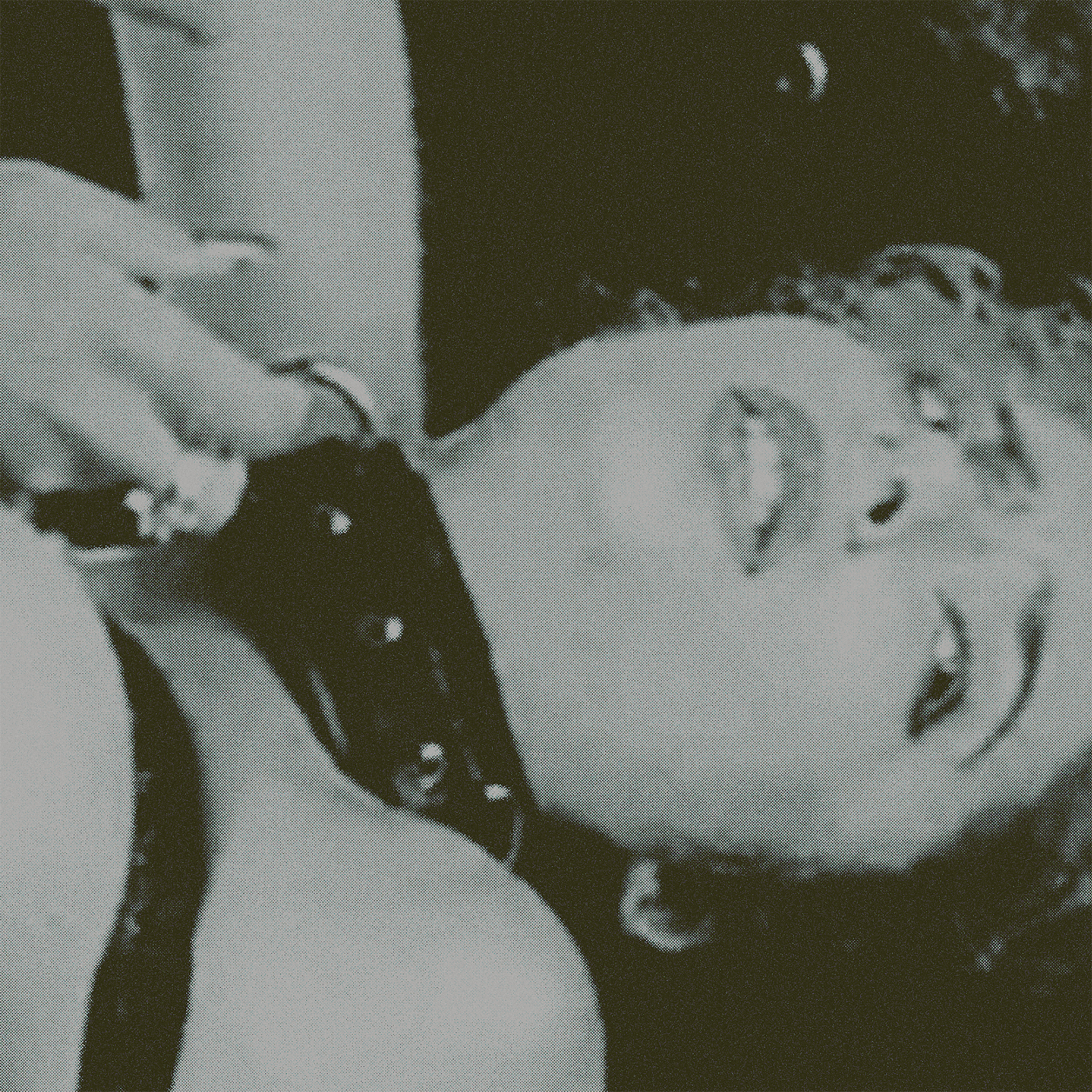
Image: Single artwork for ‘5am Open Sunrise’. Courtesy of Black Meteoric Star. Credit: Dasha Lugovin.
When I was young, in late 70s and early 80s, there was this incredible conversation back and forth between clubs and pop music. You had something like Shannon’s ‘Let the Music Play’ – something that is really a club sound, but that moved into the popular culture. It was moving the other way, too.
I do think we’re in an interesting time of that now as well. There’s a dimension of it that feels appropriative, but also I think it’s a real conversation.
It’s the same thing with S/M culture. I mean, Brat [by Charli XCX] is a great example. Brat is a term that comes from S/M culture, but most people who played that album all summer don’t know that. Sabrina Carpenter similarly has employed a lot of S/M imagery.
That’s a thing that happens a lot: pop music draws from knowledge that was created by queer people in dungeons.
That’s a thing that happens a lot: pop music draws from knowledge that was created by queer people in dungeons.
DL: That is absolutely fascinating. I had some pants that said “brat” down the side, and then when the album came out (which I did love), I thought people would just assume it’s merch!
GRR: No, and it ruined it for everybody! [laughs] Brat has just become this other thing, but mostly what it means is a very particular kind of bottoming, where you resist what a dom is telling you to do.
DL: Totally. It’s taken on a life of its own, but the roots are still there.
GRR: It’ll come back, but for now, it sort of belongs to Charli. It’ll come back, or queer people will come up with another word for it, you know? We’ll pivot.
Who’s gonna put out that album? When is Bossy Bottom Summer?
DL: [laughs] Are the streets ready for that? Or maybe it’s time for Stone Top Winter?
GRR: Oh, that’s so funny.
DL: All of this talk about experimental knowledge creation really leads me to my question about your project Voluminous Arts! Can you tell me about that project and how it came about?
GRR: Voluminous Arts launched in 2020, but the roots of it were happening for some time. I had just entered a phase in my career where I had a lot more autonomy than I’d ever had. So, I started to experiment putting out Black Meteoric Star releases by myself, and having this experience of not meeting with a label and figuring out a campaign; I was just doing it on my own terms.
Black Meteoric Star is not the most conventional dance music. It’s made in a very different way. It’s not really a retro thing – if anything, it’s forward-looking to like, infrastructural collapse.
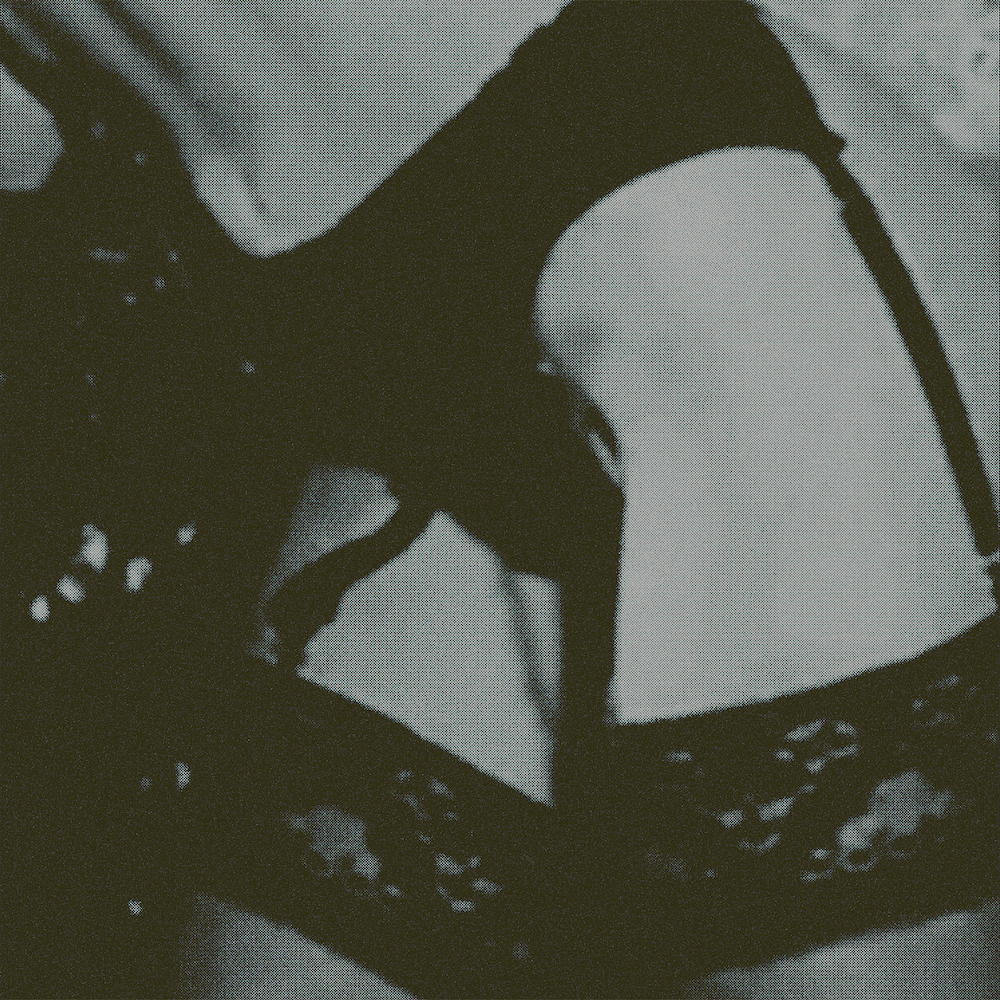
Image: Single artwork for ‘Subwoofer Speaker Freaker (feat. Scotia) (Brown Angel Remix)’. Courtesy of Black Meteoric Star. Credit: Dasha Lugovin.
Some of that was necessary at the time I started it; I didn’t have a computer, I was borderline unhoused, and I had this cassette deck that I had gotten in high school, and I just started recording these tracks.
There was partially a necessity to it, but also an aesthetic choice of wanting it to sound different. I wanted it to sound like everything’s kind of smushing together, and it’s nasty, like it’s in a dungeon. It’s sweaty and gross, it doesn’t feel ‘produced’. Truly DIY.
I made the music and people liked it. I was selling out of vinyl pressings. So the initial phase of Voluminous Arts was just my label: doing things in a very raw, muddy, uncompromising way.
I wanted it to sound like everything’s kind of smushing together, and it’s nasty, like it’s in a dungeon. It’s sweaty and gross, it doesn’t feel ‘produced’. Truly DIY.
[Around 2019], I was back in New York after being on tour for a long time, and was seeing these emerging trans creatives in New York – not only making great music, but using punk shows and raves as ways to raise funds for people’s commissaries, or having panels before the party about mass incarceration.
I was feeling like, Oh wow, this younger generation has a lot in common with a lot of things that I’ve felt very alone with. This is what I was waiting for.
That was the initial idea of Voluminous Arts: I released a lot of my own music… and then I started releasing music from people in the local scene. As a staff formed, person by person, those people just happened to be all trans people. The artists we were working with all happened to be trans people.
Initially, I was like, this isn’t a trans label, it’s just about music that resists categorisation. Or… is that why I was interested in that, ’cause I’m trans? [laughs]
DL: Totally, trans people lurveee that. [laughs]
GRR: Yeah! It just sort of created a bat signal. Like, “Hey, I care about this, who else cares about this?” The people that that attracted were trans people.
We were all getting together to work on releases, meeting once or twice a week. At some point we got a physical space, so we were meeting more informally. I started to notice that something really important was happening.
Maybe it started with somebody about to get surgery or start hormones, then suddenly we’re all sitting around the table and we’re talking about our own experiences with that.
There was something about being in a space with trans people and not having to perform our identities for a cis gaze – something really magical happened.
At that point, Voluminous Arts really shifted into being about: what can we do to create that space?
Voluminous Arts kind of shapeshifted into this cultural project about how trans people create knowledge experimentally.
DL: Wow, that’s really cool.
GRR: Because trans people usually come to understand our identities through a set of experimental practices, the way we create experimental art, experimental music and experimental performance has a very intimate connection with who we are.
Because trans people usually come to understand our identities through a set of experimental practices, the way we create experimental art, experimental music and experimental performance has a very intimate connection with who we are.
Thus, there is a cultural dimension to the way trans people create experimentally which is also political. It resists a kind of normativity that we’re seeing there’s a big attempt to enforce at the moment.
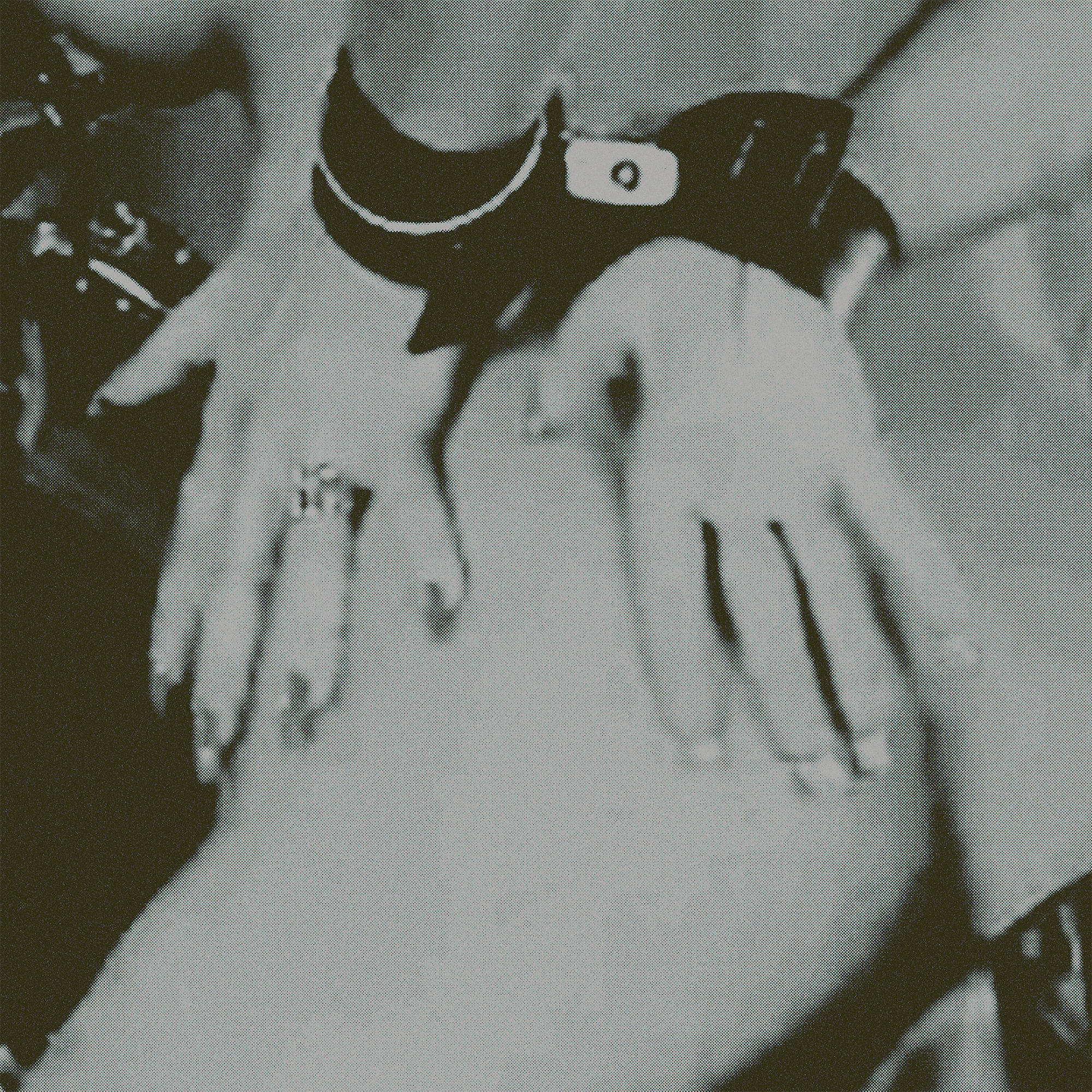
Image: Single artwork for ‘Subwoofer Speaker Freaker’. Courtesy of Black Meteoric Star. Credit: Dasha Lugovin.
Voluminous Arts has been many different things. We’ve done tons of community programs. We’ve done tons of public programming when we have the space, and have a bunch of open slots for trans people to come in and experiment with electronic music equipment – just fun noisemaking, hanging out. And then all the way to presenting programs at the Metropolitan Museum of Art or Center for Art Research and Alliances; we’ve had a big range of things.
We’re currently on a little bit of a reflective pause. The only public program we have now is on the lot radio, it was a monthly radio show with Sodomahigomorra and Crystal Peñalosa called ‘Hole Vision’.
It’s mostly about the border, because both of those artists have intimate relationships with the border, but also the border as analogue to cisnormativity and enforcements of the gender binary as well. It’s an amazing show with two really great artists.
There is something important about the way that trans people create experimentally. Whether that leads to a successful career in the music industry or an art career is sort of a separate thing, but there’s just something that’s culturally important there.
Thus, there is a cultural dimension to the way trans people create experimentally which is also political. It resists a kind of normativity that we’re seeing there’s a big attempt to enforce at the moment.
DL: Yeah, wow. It doesn’t surprise me that Voluminous Arts took that shape; the trans lens and connection is so strong when we come together in community spaces.
GRR: The metaphor on which the whole thing is built is this: if existence is a theater, cis people are born on the stage in their costume, knowing their lines.
DL: Oh, I love that.
GRR: And trans people are born somewhere in the fucking rafters, or the basement, you know? [laughs] We have to find their way to the stage.
DL: Holy shit.
GRR: The way the theatre is structured, you understand that the stage is where you’re supposed to be. But as we get to the stage, we can see there’s a bunch of seats with gum stuck to them. There are all these old costumes that are dusty. There’s a light board. There are all these things for pulling the sets, you know?
And so by the time we get to the stage – if we get to the stage – we know this thing whole is constructed.
We’ve seen it from all these different perspectives. We’ve seen all these different things. So we’re bringing a whole different way of being into the experience of existence.
When you start putting that together to build conversation, there’s just this immense amount of insight and difference and creativity that happens because you’re not operating within a set of assumptions.
There’s a richness, is what I’m trying to say. There’s a cultural richness there that’s important.
The metaphor on which the whole thing is built is this: if existence is a theater, cis people are born on the stage in their costume, knowing their lines.
DL: Oh my god, I love that metaphor so much. There’s obviously the very baseline idea that gender is a performance, and adding a whole manky, rundown theatre around it is so great.
GRR: Yeah! When the lights are bright and in your face, and you’re already dressed up and you already know your lines, you don’t see that.
DL: That’s so, so good. That’s all the questions I have, I’d love to keep chatting all day to be honest!
GRR: This was great. Thanks for a great conversation!
DL: This was so much fun. I’ve really enjoyed yapping. You’re a fountain of knowledge.
GRR: That’s so nice. Thanks for the great questions.
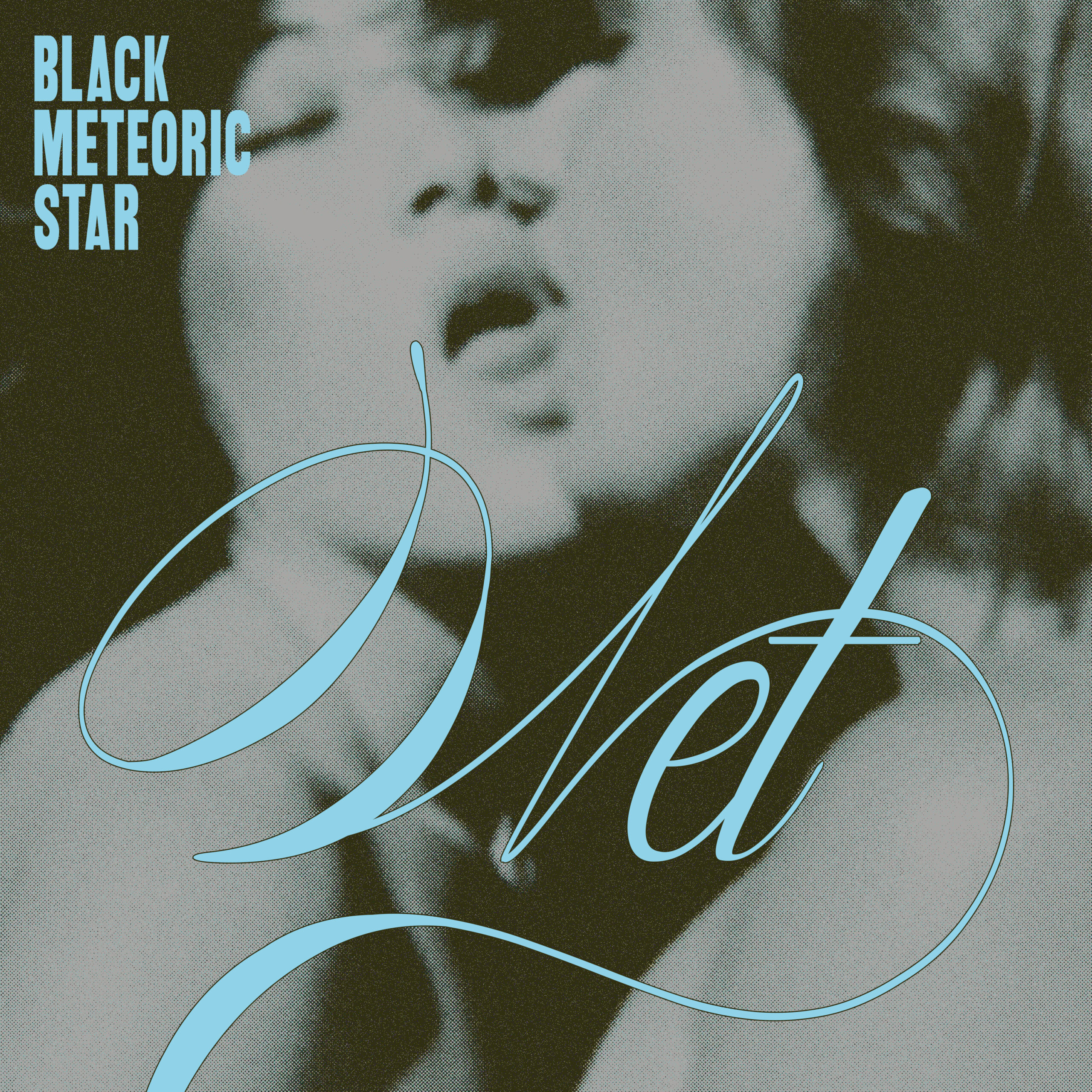
‘Wet’ is the new album by Gavilán Rayna Russom’s Black Meteoric Star project.
It’s out now, through lauded San Fran imprint Dark Entries and London tastemakers Ransom Note.