

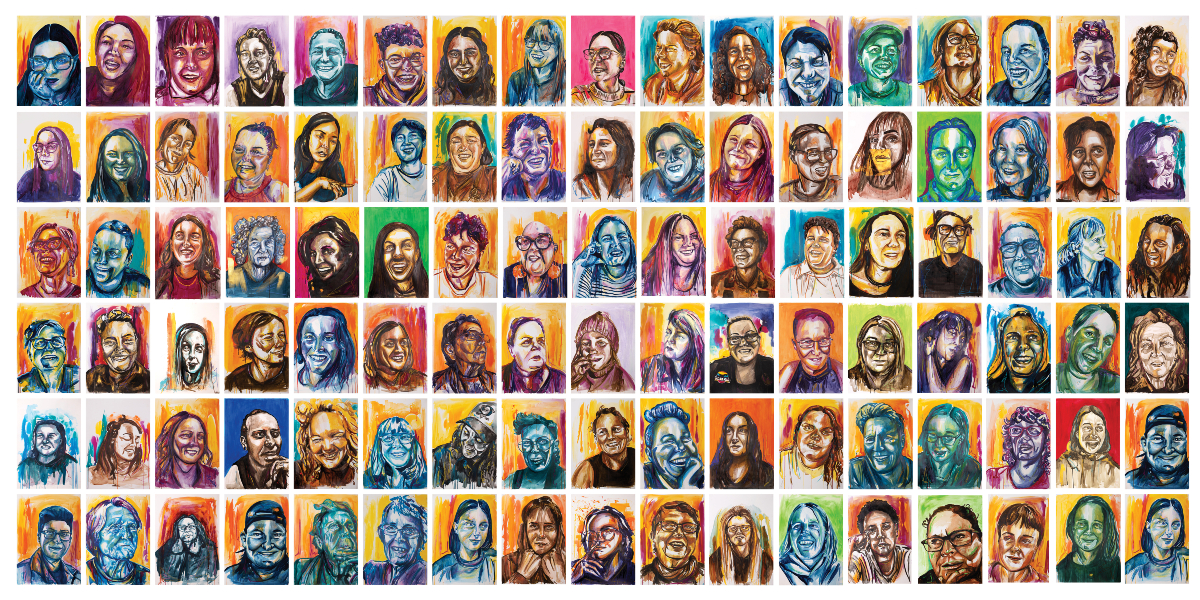
100 lesbian portraits: Visibility, connection and sapphic storytelling
By: Stacey Bennett
The water in my paint cup is murky with the colour of faces that came before this portrait. I dip my brush and watch blue ink bloom through it. Outside, dusk has taken hold of the windows without asking, and I realise I’ve lost track of time.
Rain hammers the tin roof overhead. The ducted heating roars in the background, still running because I forgot to turn it off hours ago.
Shit. I haven’t put the potatoes on.
All images: Created by the author, Stacey Bennett
What started as a lesbian visibility project has become two years of listening, painting and learning what happens when people feel truly seen.
My foot sparks with pins and needles as I stand from the chair. On the table beside me sits a cup of tea gone cold for the second time today. I carry it to the microwave, stepping around portraits drying on the floorboards. Faces watch from every corner of the studio. Some framed, some stacked, some half-finished. I catch myself making eye contact with them.
I look back at the woman on the easel. Her expression is wrong. During her interview she laughed with her whole body, even while talking about heartbreak. The painting has captured sadness, but not her joy.
Any minute now my kids will burst through the front door and tear through the house. I should move the portraits somewhere safer. I should turn the oven on. I should drink my tea while it’s still warm.
Instead, I put my cup down and pick up the brush again.
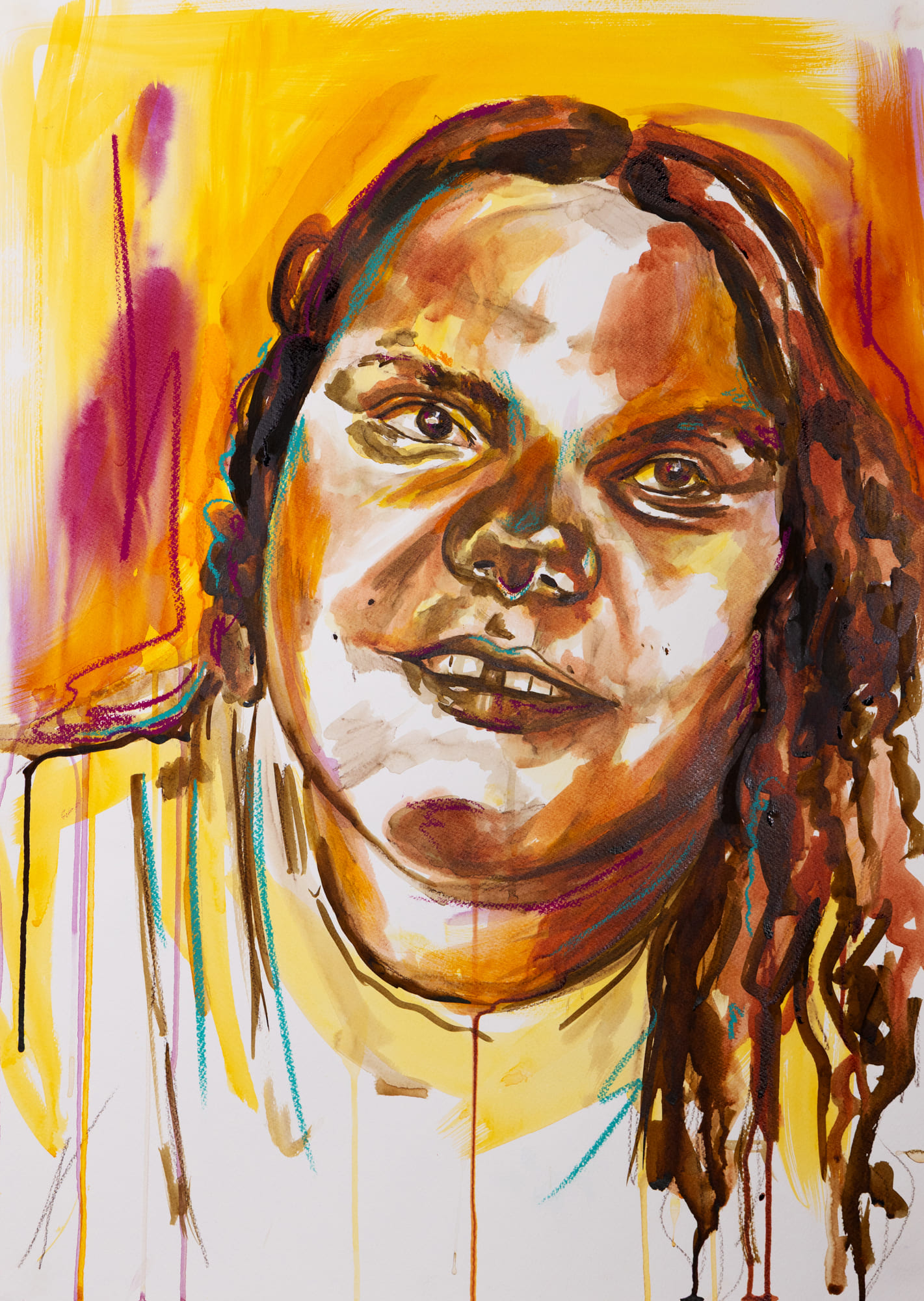
I set out to make lesbians visible. The idea felt both scary and straightforward: paint 100 lesbians across Australia and pair each portrait with their story. I had spent years thinking about the absence of lesbian stories, and how we often exist through stereotypes or not at all.
I met with everyone I painted and asked about their life.
I expected people to be guarded. In the early days I apologised after difficult questions; I wanted participants to know they could skip anything, change direction or keep parts of their stories private. Their stories belonged to them. But most people were eager to share.
“I’m an open book,” they’d often say.
I listened attentively, immersed in their stories. They wanted what all of us want: to be heard and understood.
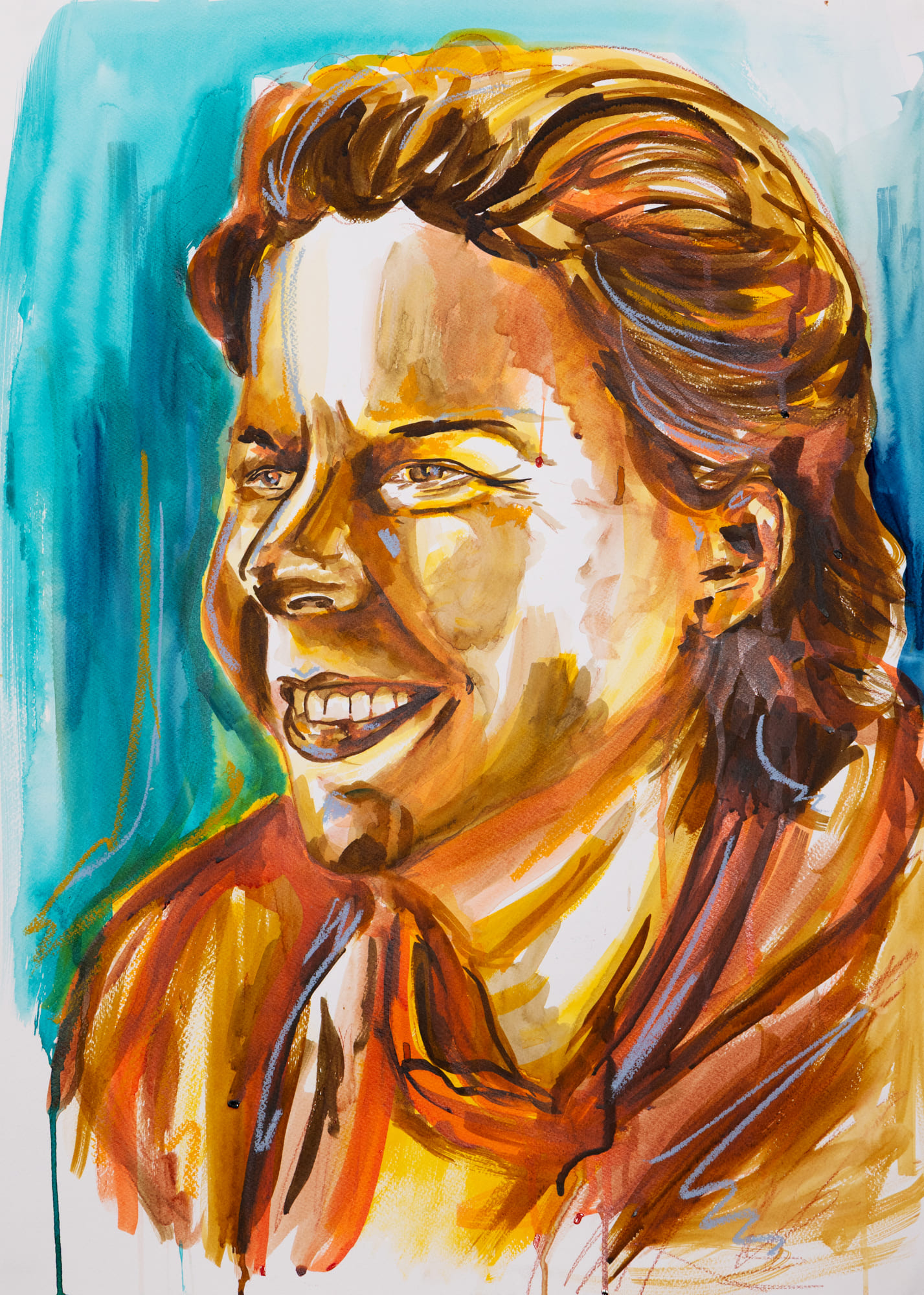
These conversations flowed easily, and regularly spilled past their allotted time. It was a privilege to provide a space for people to air out thoughts of who they were and who they had become.
People were animated when they told me their stories. They would lean forward, say things like, “You’re not going to believe this,” and “Oh my god, wait, there’s more.”
People cried and laughed, as did I. And I felt unexpectedly close to my subjects. I’d take notes and screenshots and refer to them as I painted at the easel.
One woman waited until we were saying goodbye over video call before adding a final piece of information.
“Actually, can I tell you something?”
She laughed nervously before telling me she’d never experienced an orgasm with another person. Her face was lit by the blue light of the screen. She pushed her hair back from her face, waiting for my response. I stayed on the call and we spoke about intimacy.
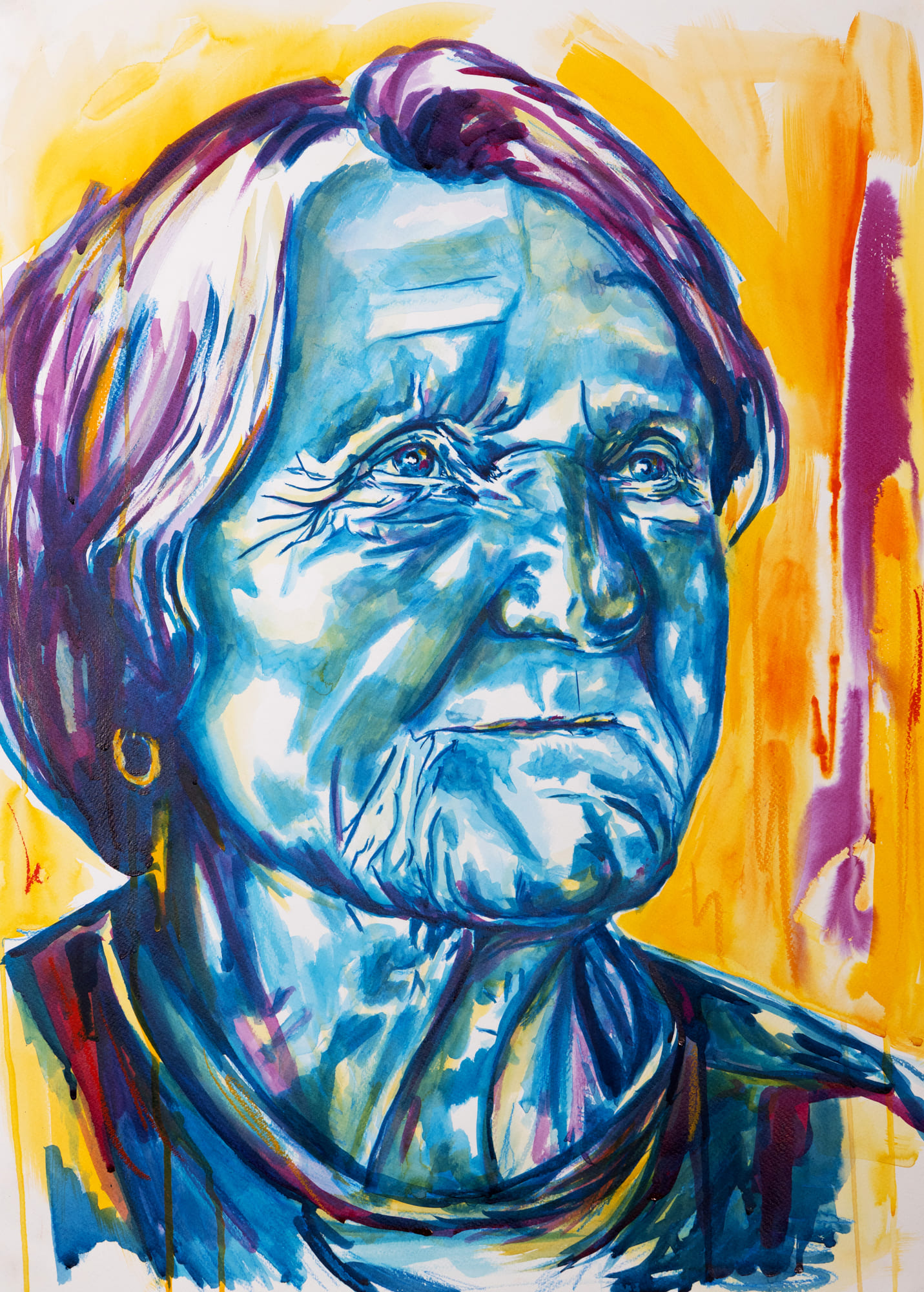
When I paint people, I think about what they’ve shared with me. I paint what has stayed with me from our conversation, and I try to capture the feeling it left behind.
The scariest part of the entire project was showing people what I had painted. Once I had completed a portrait, I’d share a photo of the painting, attached to an email. Once the artwork was ready to be sent, I’d hesitate. I’d reread it. I’d zoom in on the image, questioning choices I was certain about up until now.
Does she look hopeful like she said she was?
Would she be upset about the colour?
Annoyed at myself, I’d press send.
Sometimes people responded warmly. Most of the time they didn’t respond at all. Once I received a reply that said, “Ahhhhhhh! It looks like me. But I look so sad… can I remain anonymous please?”
Sometimes, after a huge day of work and with grumpy kids to get to bed, I’d sit down at the easel and think, Nobody asked me to paint 100 lesbians. Nobody asked for this.
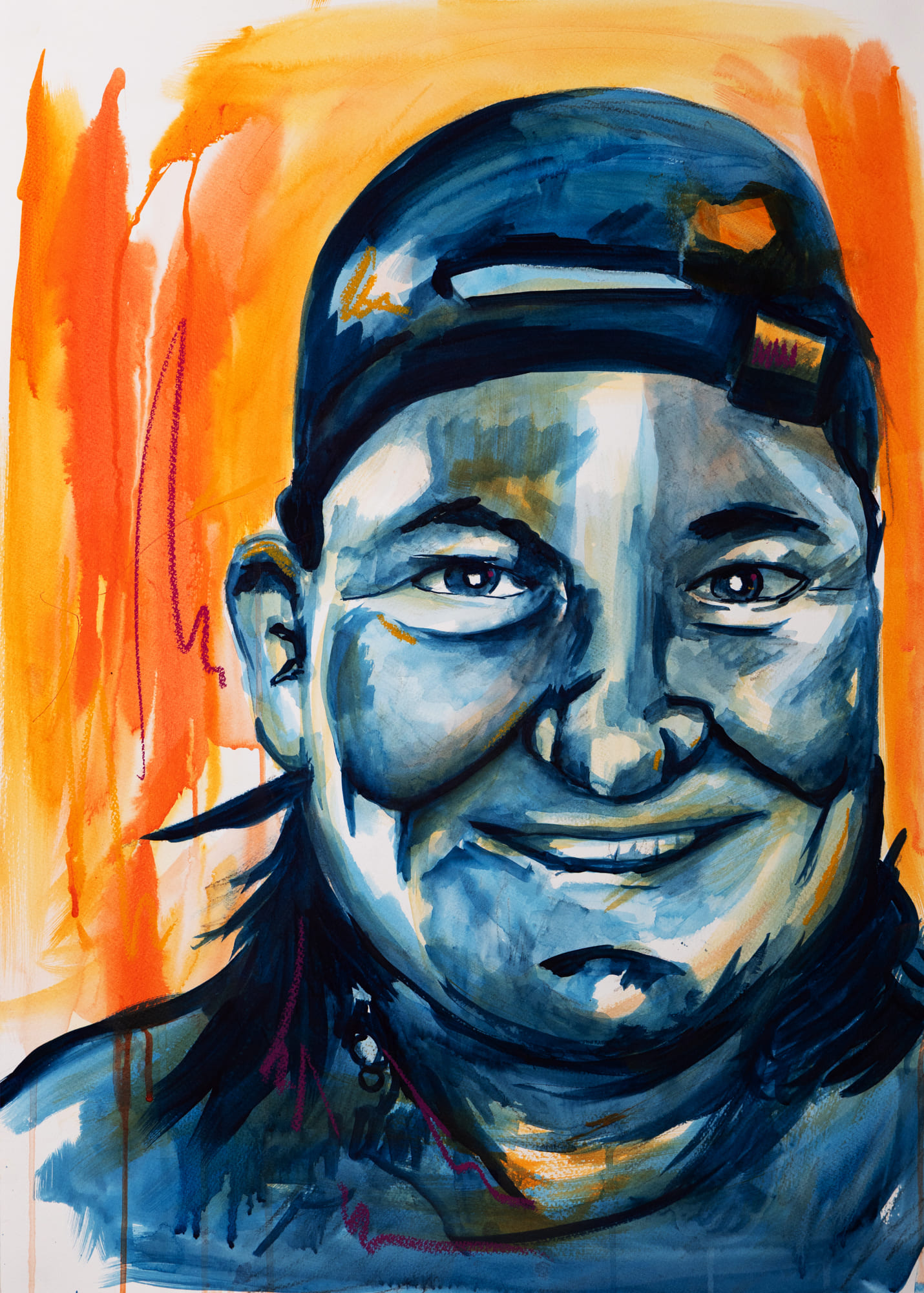
Around 60 portraits in, something shifted. My studio began to feel alive with other people’s stories. Portraits leaned against walls, stacked on shelves, filling corners of the house. Interview notes piled up. Quotes appeared on Post-its.
I couldn’t look at a portrait without hearing the conversation again.
“This woman,” I’d say to my wife, stopping her mid-way through the room, washing basket on her hip. Then I’d tell her about how the subject seemed lonely.
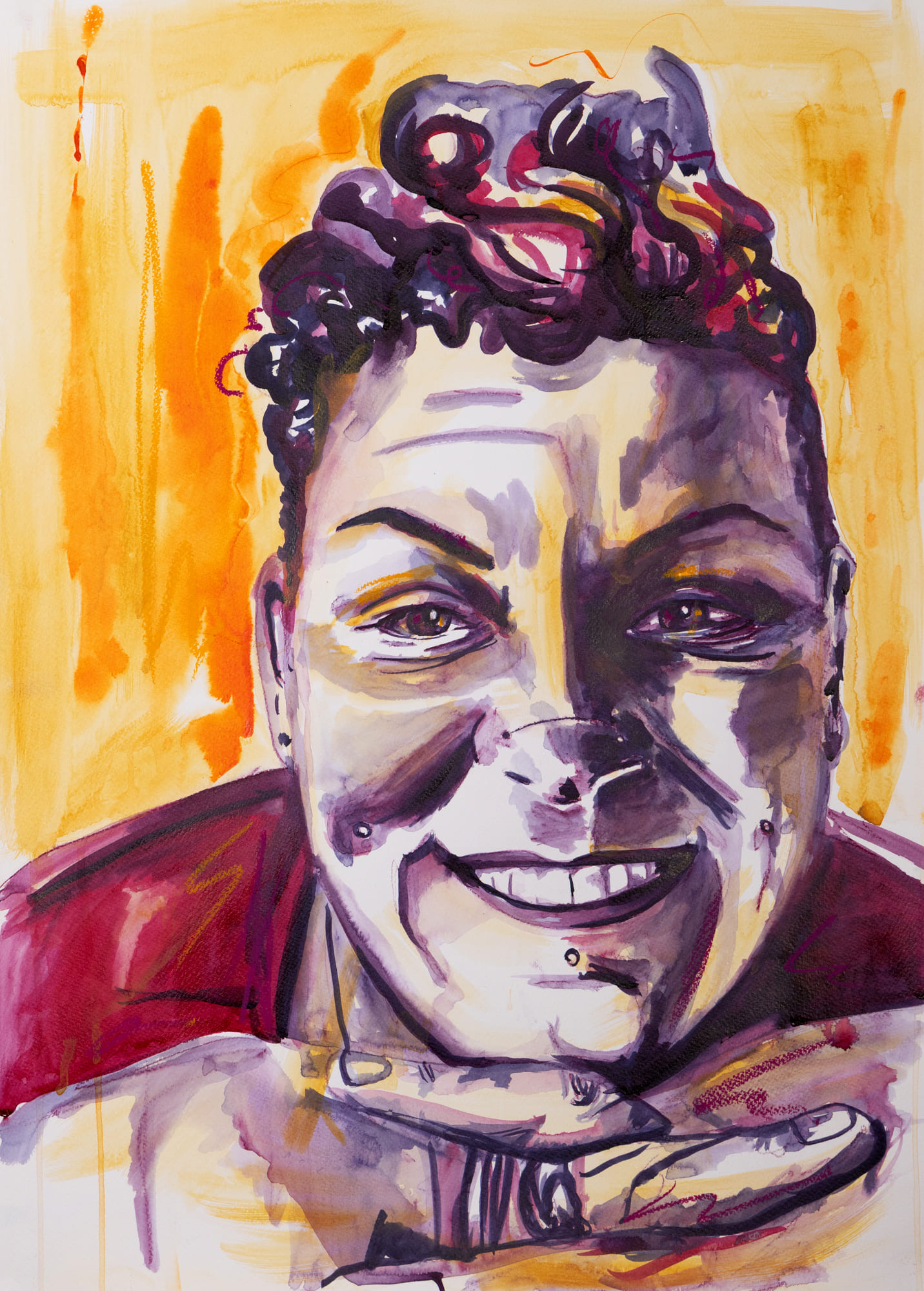
And then, there was Meredith’s portrait: one I thoroughly enjoyed painting, but the last to be emailed to the participant. Meredith is a 78er who attended the protest that later became known as the first Mardi Gras in Australia. She expressed uncertainty of whether she was entirely deserving of the title of 78er due to being young and scared back in 1978, when she was all of 17.
When we spoke, she shared her feelings of uncertainty about the future. When I painted her, it was what I thought about most, and it came through the painting more than I ever expected.
Hovering over the send button once more, I eventually sent the portrait to Meredith. I knew what I’d painted wasn’t for flattery. I didn’t use the photos supplied after our chat, with a grin pressed upon her face. I’d chosen to paint her vulnerability. I waited for her response, unsure if one would come.
“I initially thought I looked cranky… Whilst I don’t warm to the portrait, there is no doubt you have authentically captured an essence of who I am.”
She attached a baby photo of her to her reply and said she could see the same worried expression on her 18-month-old face as I had captured decades later.
I read the email twice, and stared at the baby photo. Despite hearing she didn’t warm to the portrait, I felt reassured. My impression of someone is what I paint, and sometimes that’s really raw, which can be confronting to view.
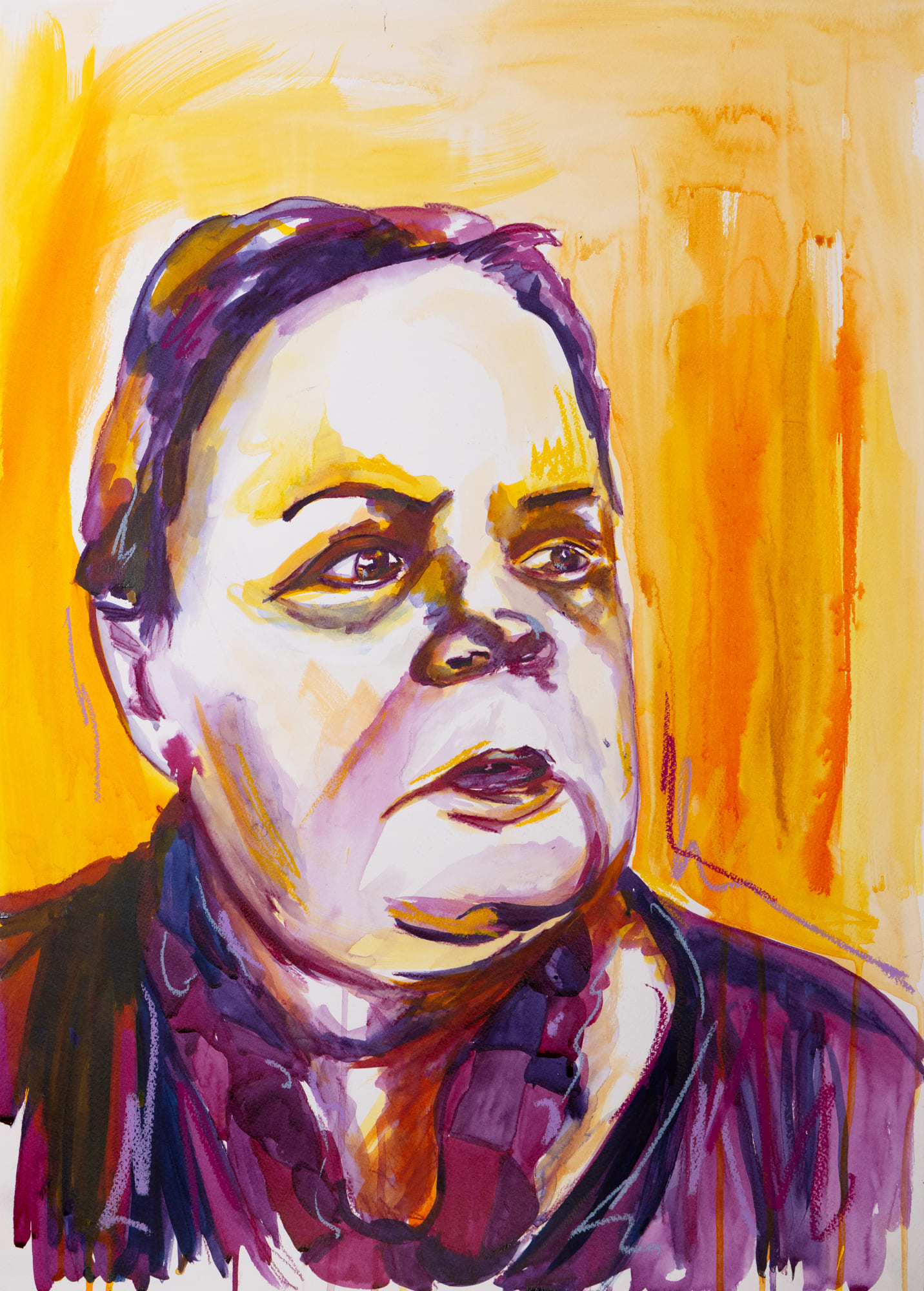
The vulnerability belongs to the people I paint – they are the ones sharing intimate parts of their lives with me and trusting my process. But there’s also something vulnerable about capturing and recording moments that stay with me, as the artist.
Out of everything someone shares, certain things rise to the surface. A moment, expression, contradiction or a feeling I can’t quite shake. These things come out when I’m moving the ink around at my easel.
One hundred portraits now lean against walls or hang in frames throughout my house. Faces watch from shelves, spare rooms and corners of the studio.
Nobody asked for 100 lesbian portraits.
But 100 people said yes to being painted.
Follow along on Instagram to see the project unfold: @stace.paints.queers.
If you’d like your portrait painted, you can reach out through the website here.