


Stories about: books
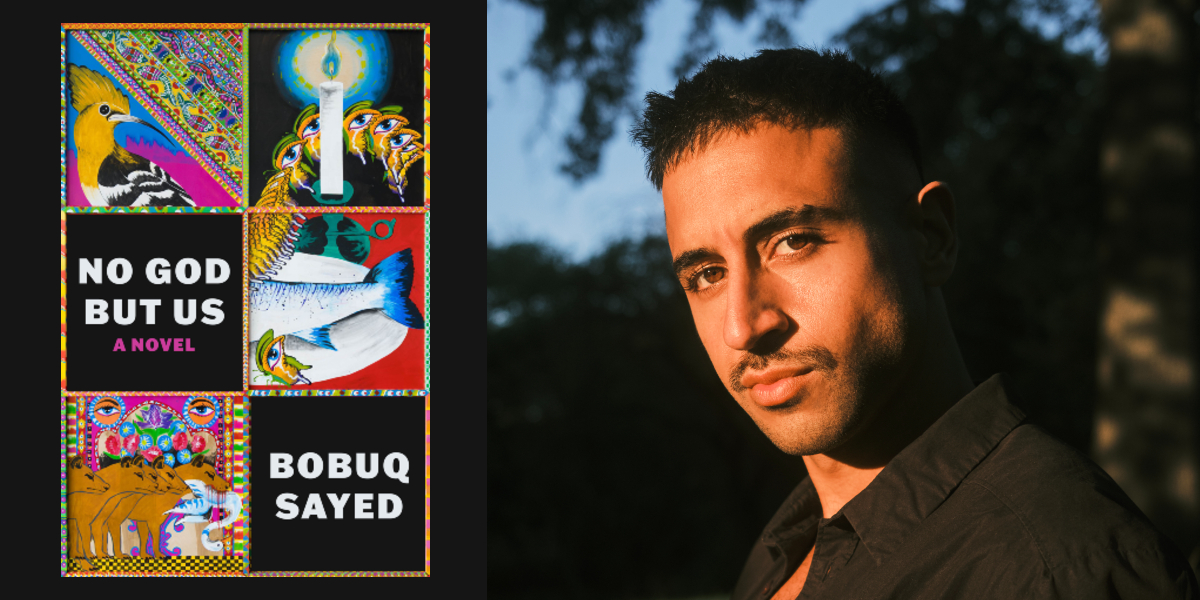
“I try to convey the diverse reality and complexity of what queer and trans refugees and migrants experience, and not just some kumbaya fantasy of everyone sharing resources and taking care of each other.” Bobuq Sayed chats to Alex Creece.
One Christmas break early in my queer re-emergence, I bought a stack of books to read, almost entirely queer young adult fiction.
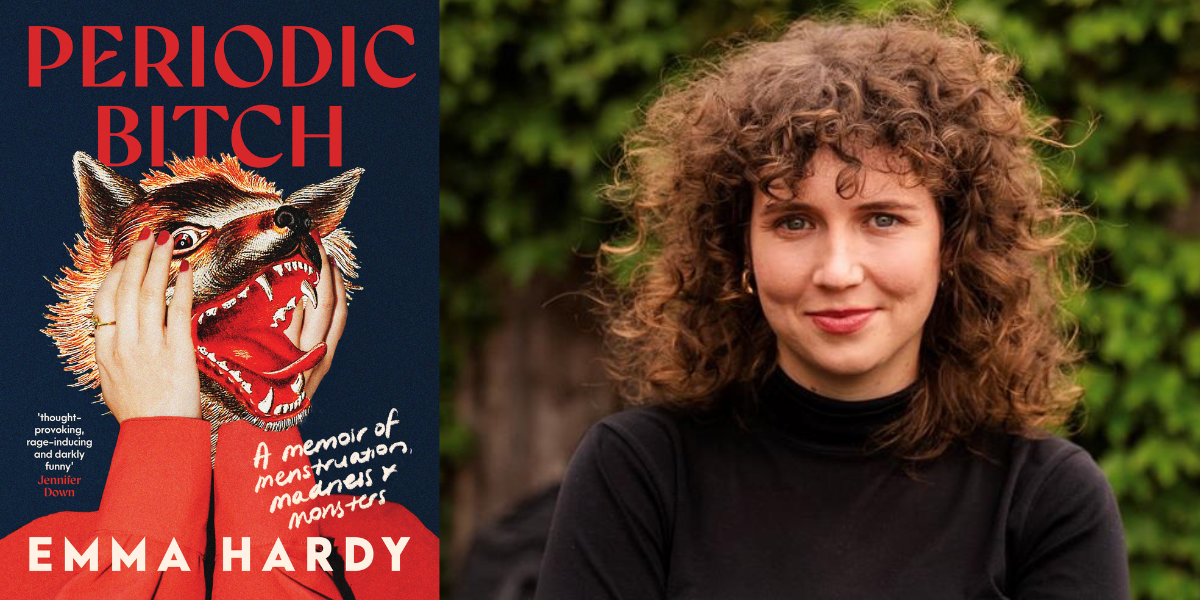
Horror narratives then act as warnings: become too much, defy mainstream expectations, and risk becoming either a victim or a monster.
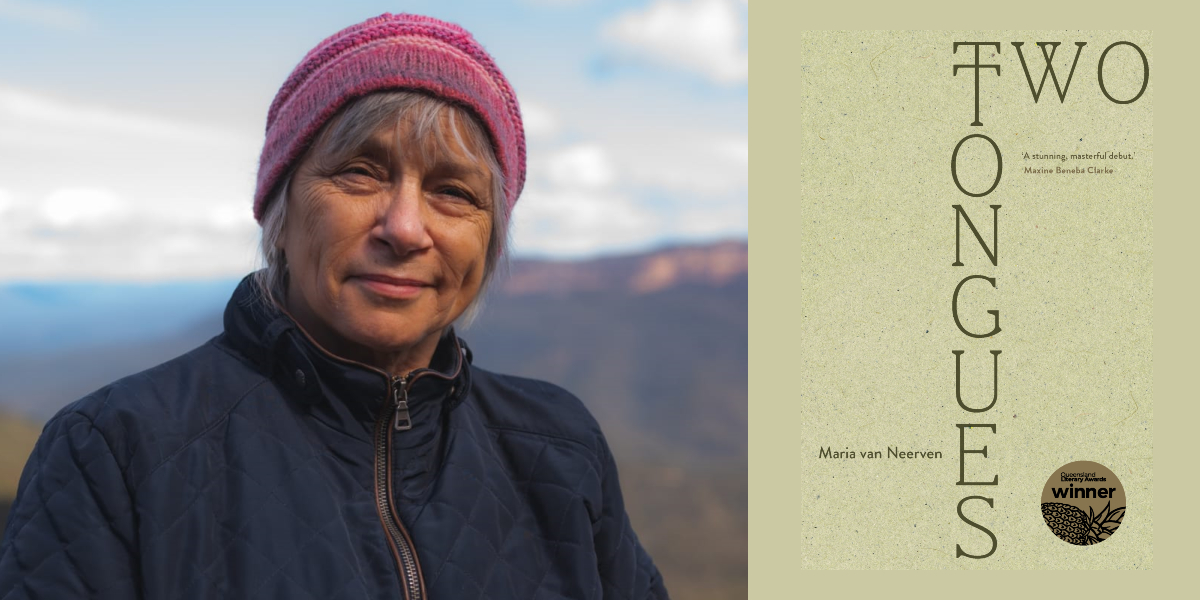
“It is an honour to use our language in my poems; my ancestors voices can be heard in-between the pages.” Maria van Neerven chats to Alex Creece.
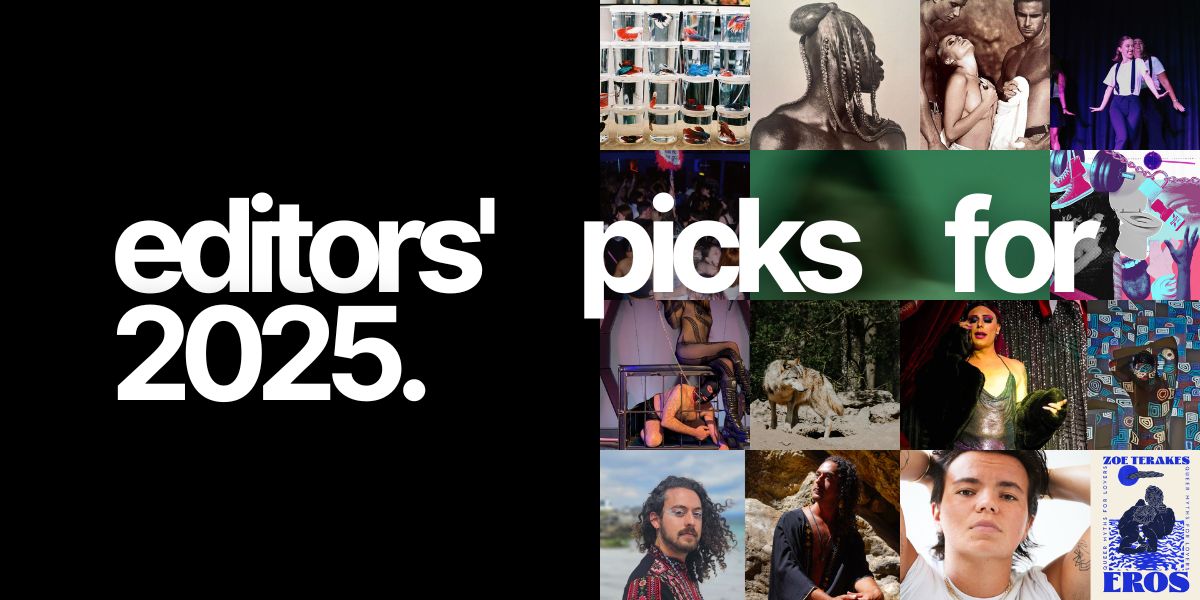
From sissification to trans mythology, impostor syndrome to werewolves, cruising, and much more, these are the online editors’ top picks of 2025.
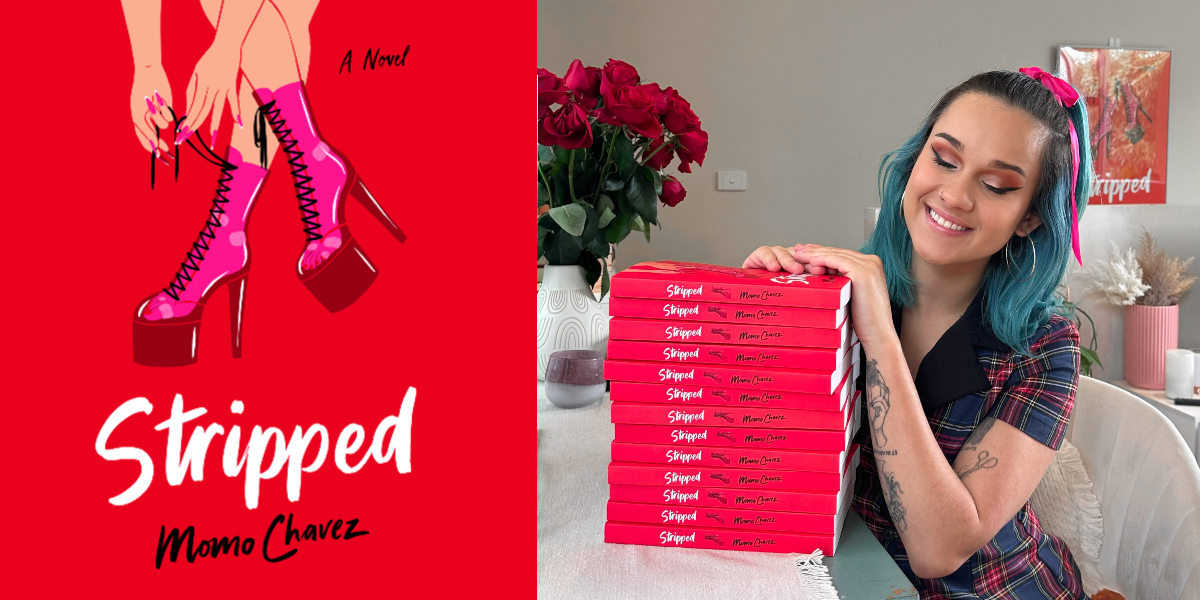
“We need more stories written by sex workers for sex workers!” Momo Chavez chats to Archer Magazine.
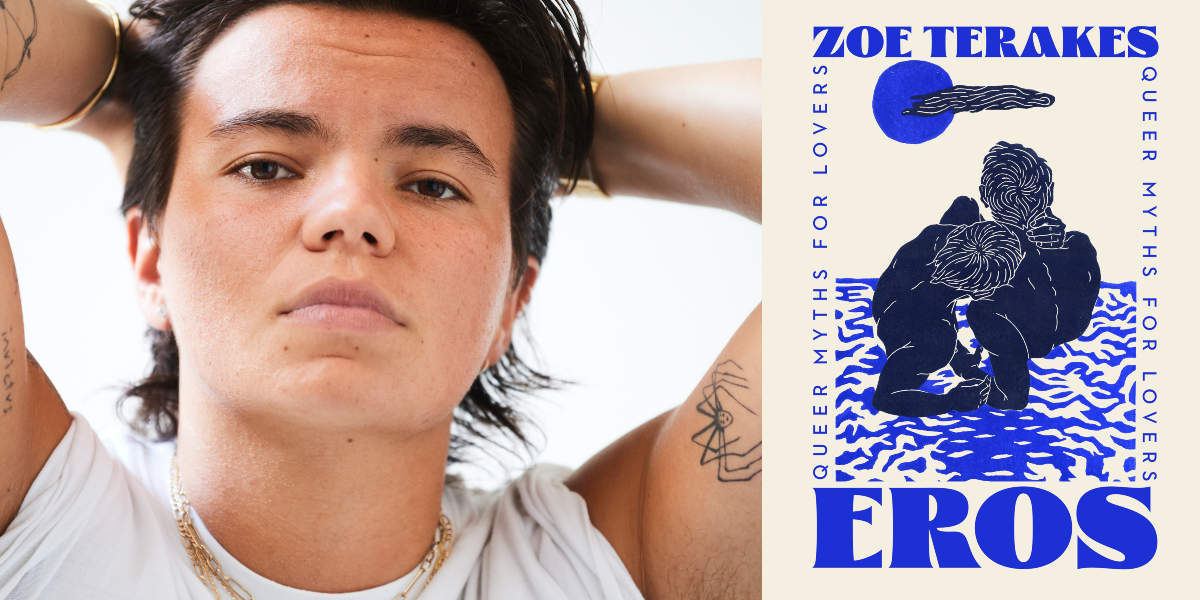
“Nature depends on transness – we see it in mycology, fungi, plant life, fish and hyenas.” Zoe Terakes chats to Alex Creece.
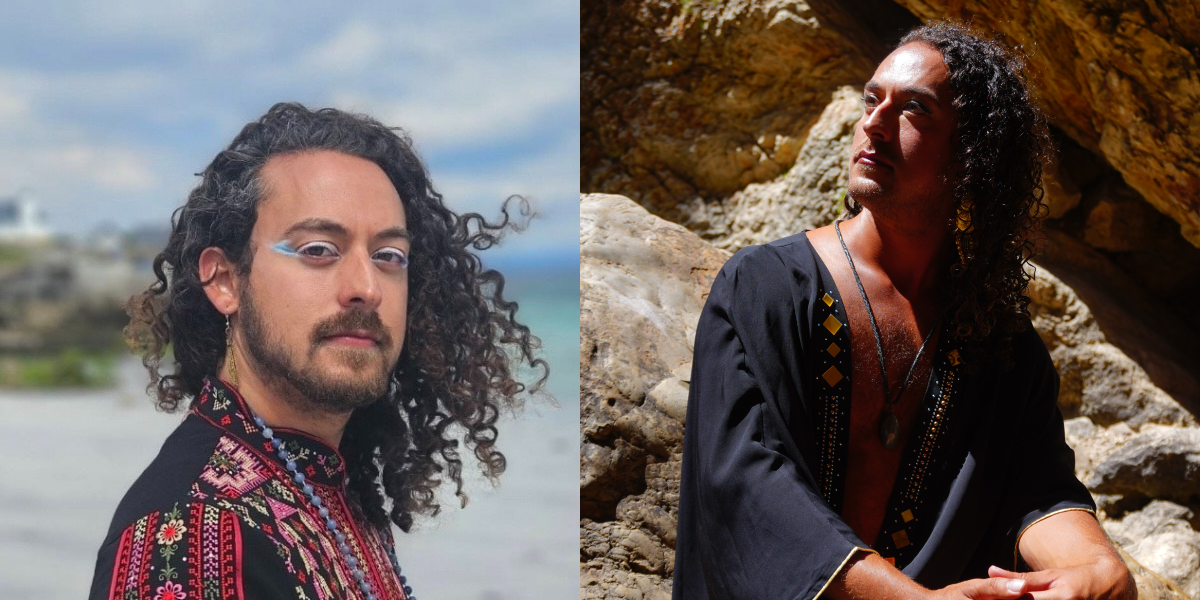
“The work to build a collectively liberated world is always going to be easier than living in this current – really oppressive – fascistic world.” Mx Yaffa chats to Anna Hu.
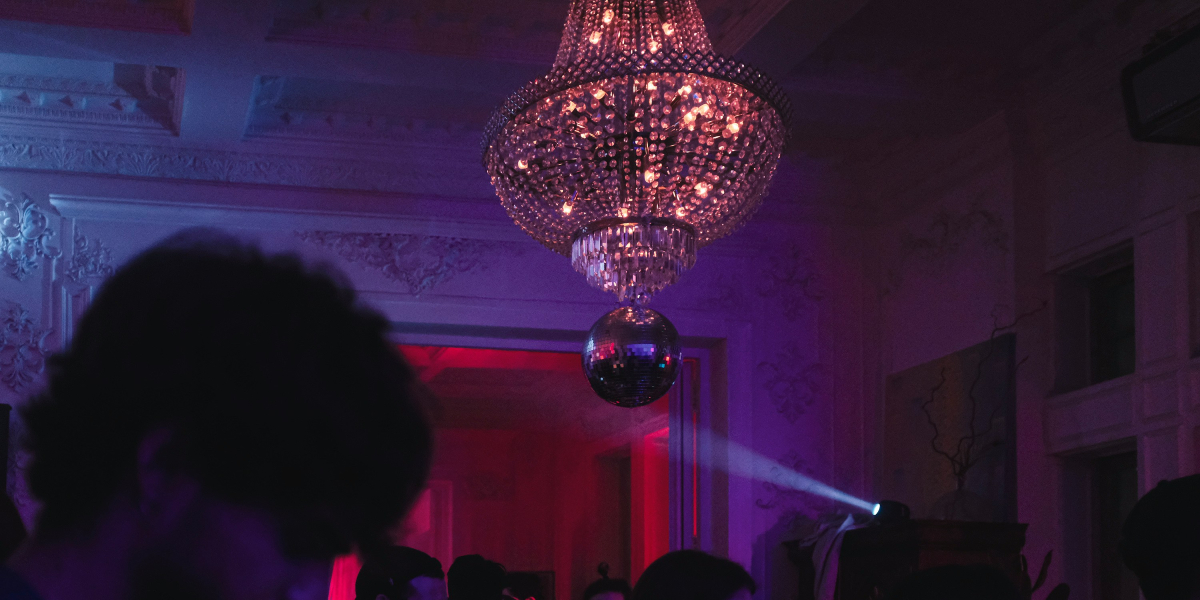
Meet Daniel Nour: Egyptian and Australian; loud and painfully awkward; conservative and very confused (especially about other boys).
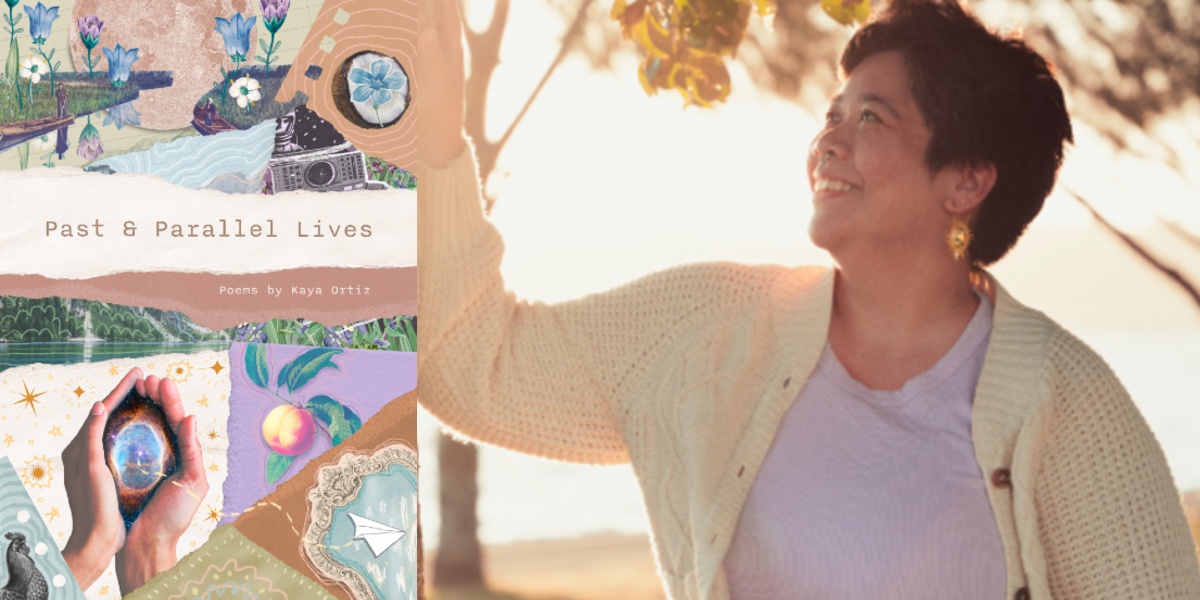
“These poems are really just owning my different identities – Filipino, lesbian, queer – without shame.” Kaya Ortiz chats with Alex Creece.
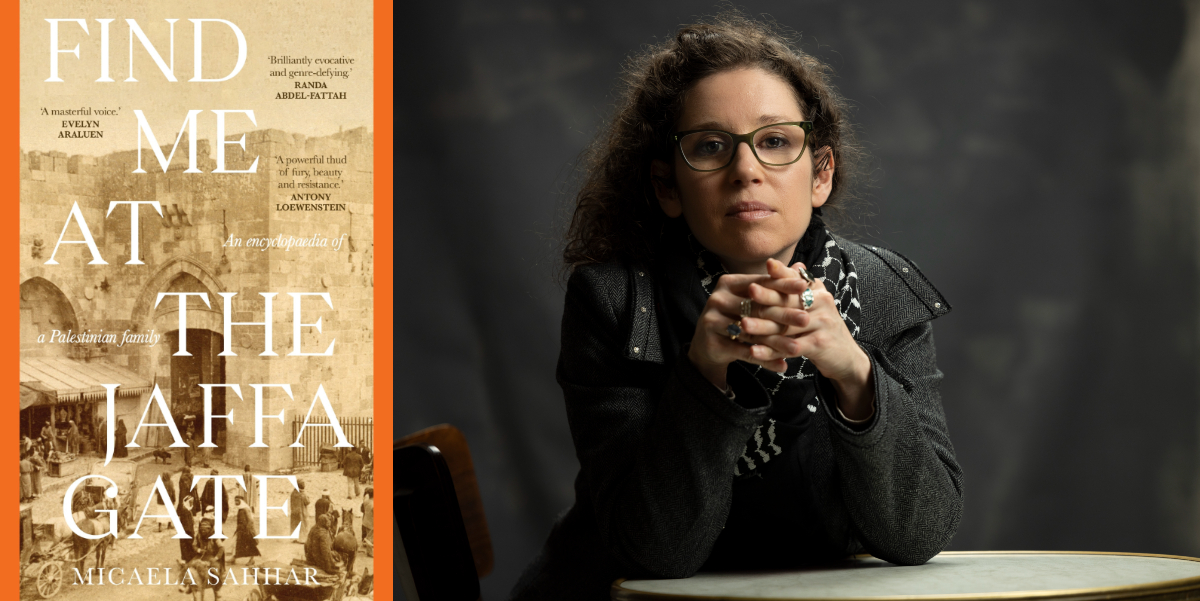
“We, the diaspora, are an important part of the work of liberation, alongside Palestinian people who remained.” Micaela Sahhar chats to Alex Creece.
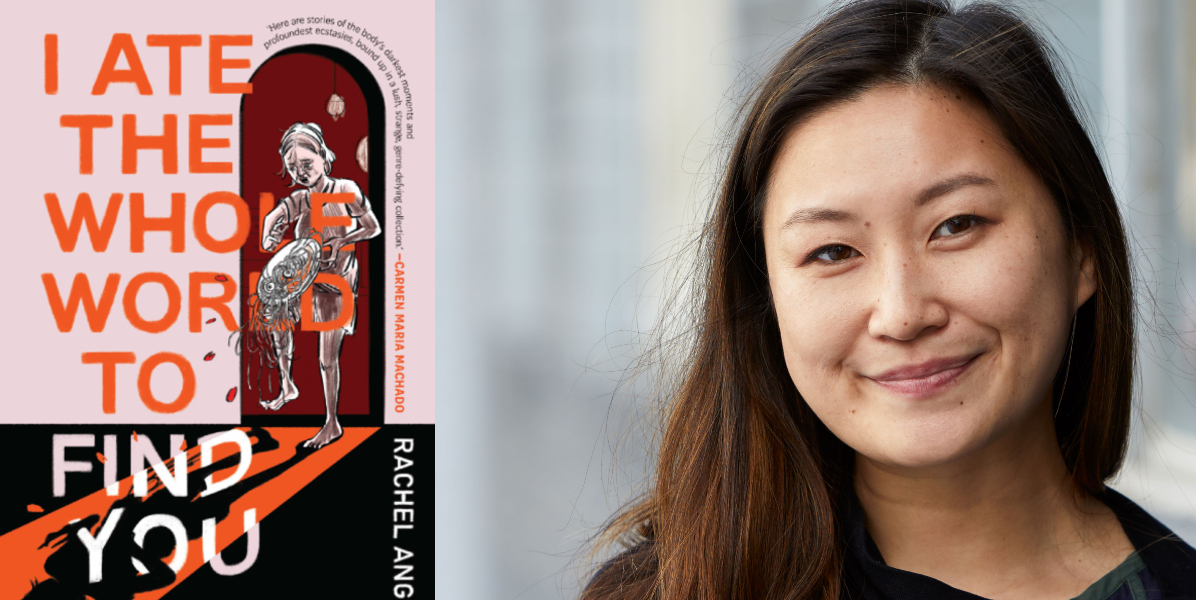
“Sex is such an interesting mode of inquiry – a petri dish for gaining knowledge about ourselves and our lusts and limits in the world.” Rachel Ang chats to Alex Creece.
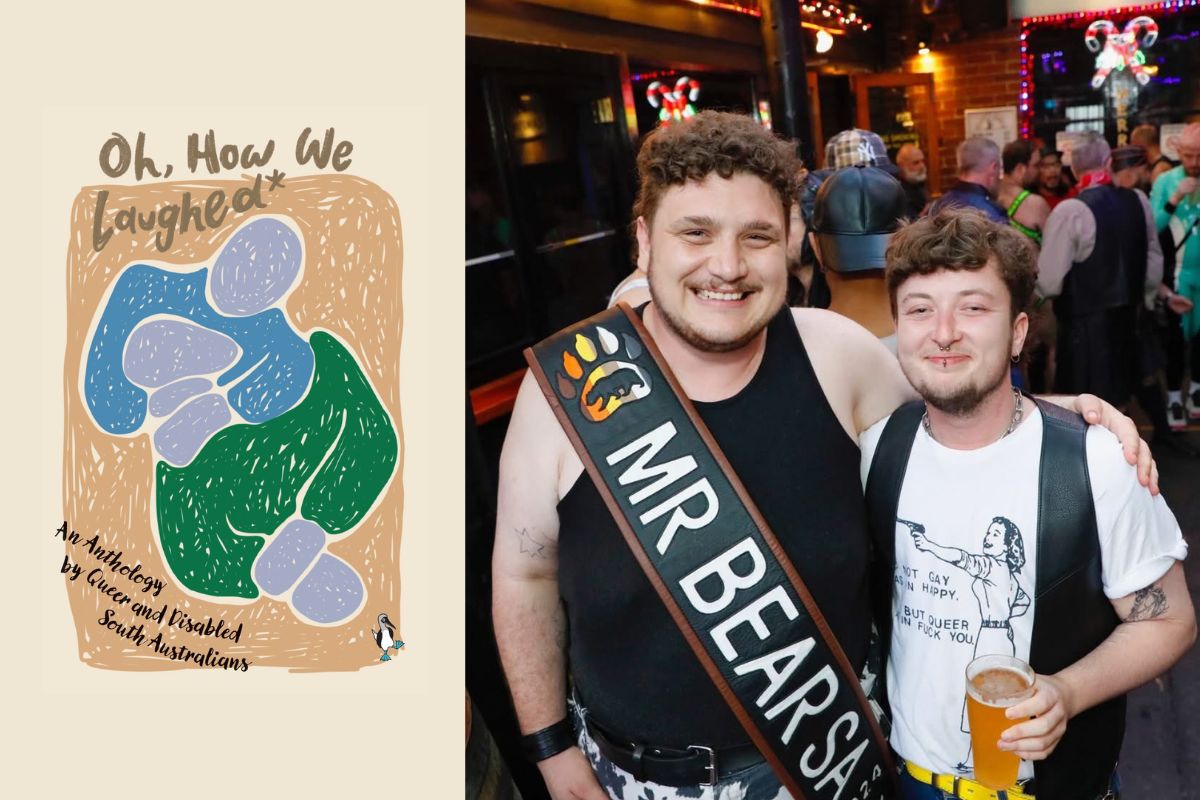
“Our strength as queer, disabled people is our rage.” We chat to the team behind Oh, How We Laughed*, an anthology by queer, disabled writers.
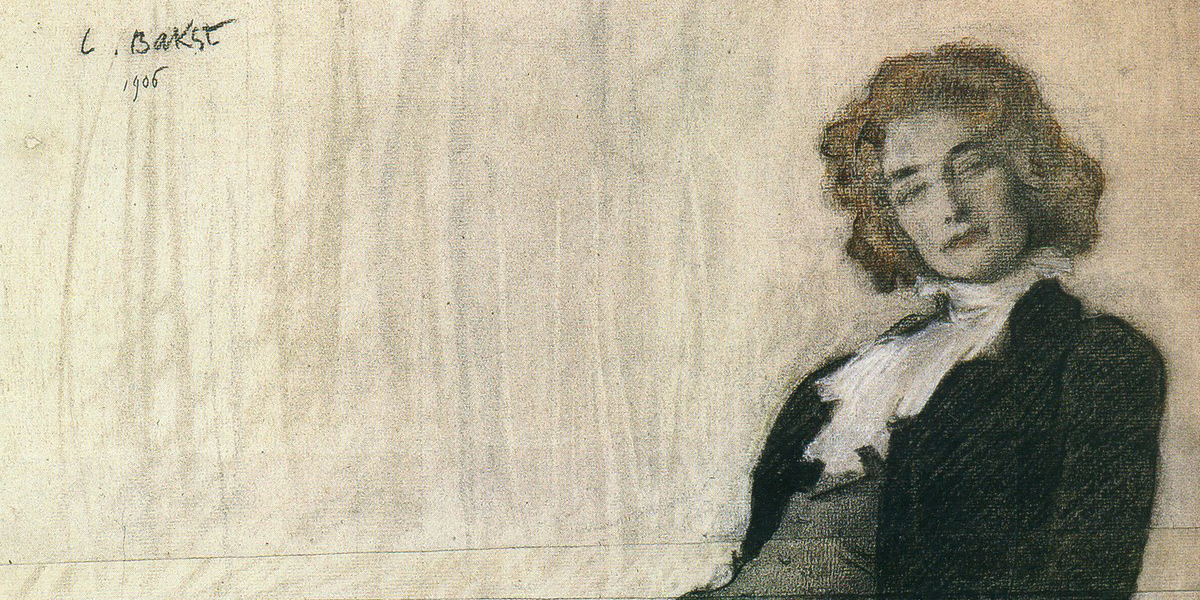
Zinaida Gippius lived a rather queer life – between their affairs with women, highly publicised threesomes, cross-dressing, and more.
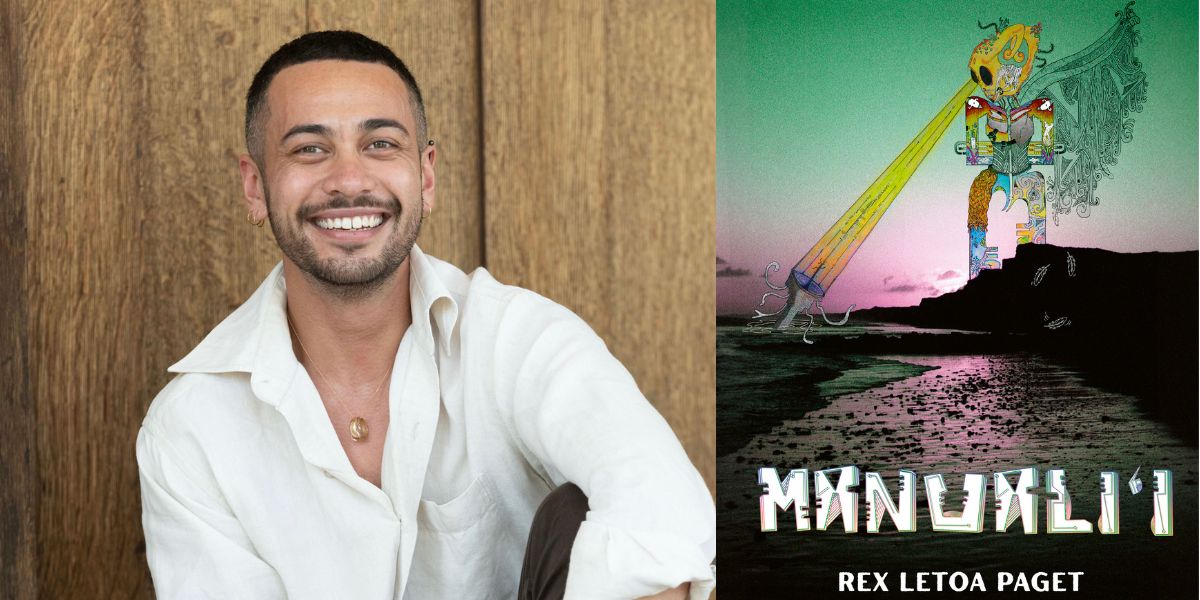
I think a lot of people who are put in the margins are naturals at storytelling. I guess we have to be in a way, otherwise who else would tell our history or our truths in a way that honours where we come from?
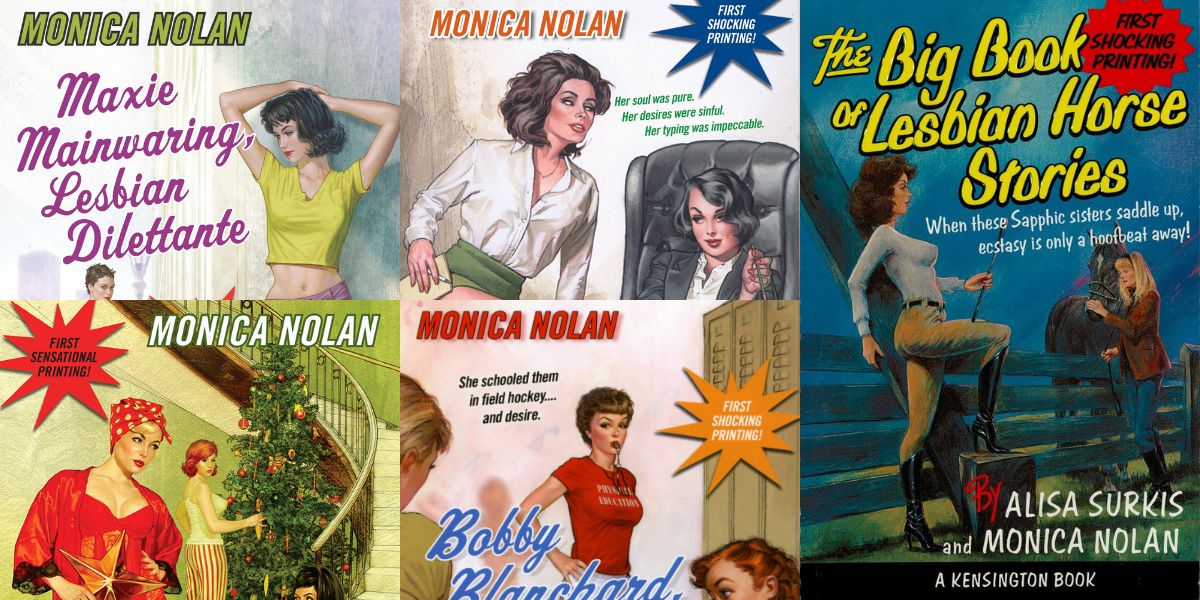
“The bond between girl and horse is more like the passionate friendship described in Victorian lesbian narratives.” Monica Nolan chats to Alex Creece.
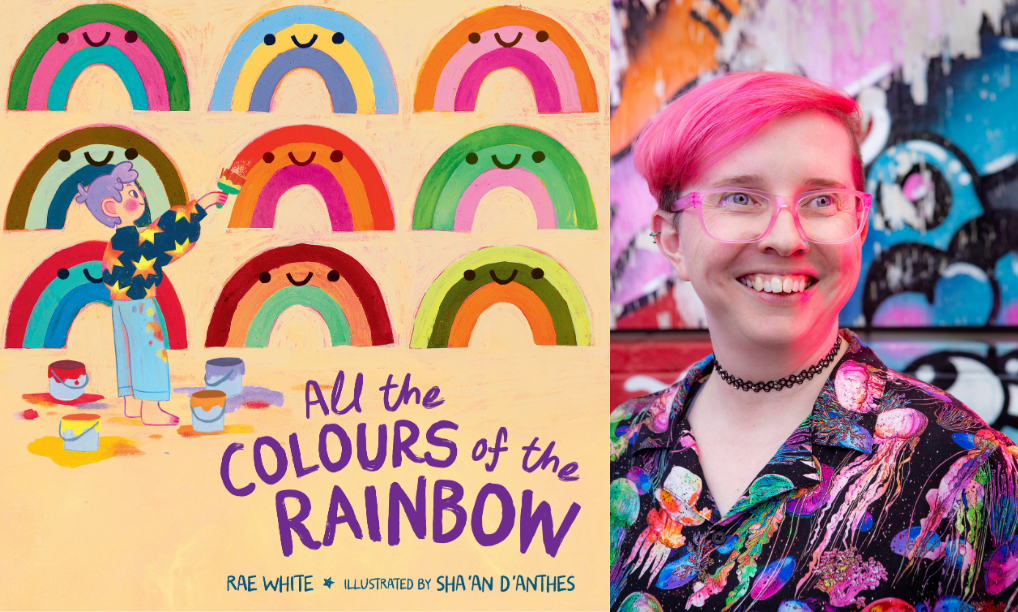
“Those small acts of support – say, a parent affirming their child’s self-expression – create a profound ripple effect.” Rae White chats to Alex Creece.
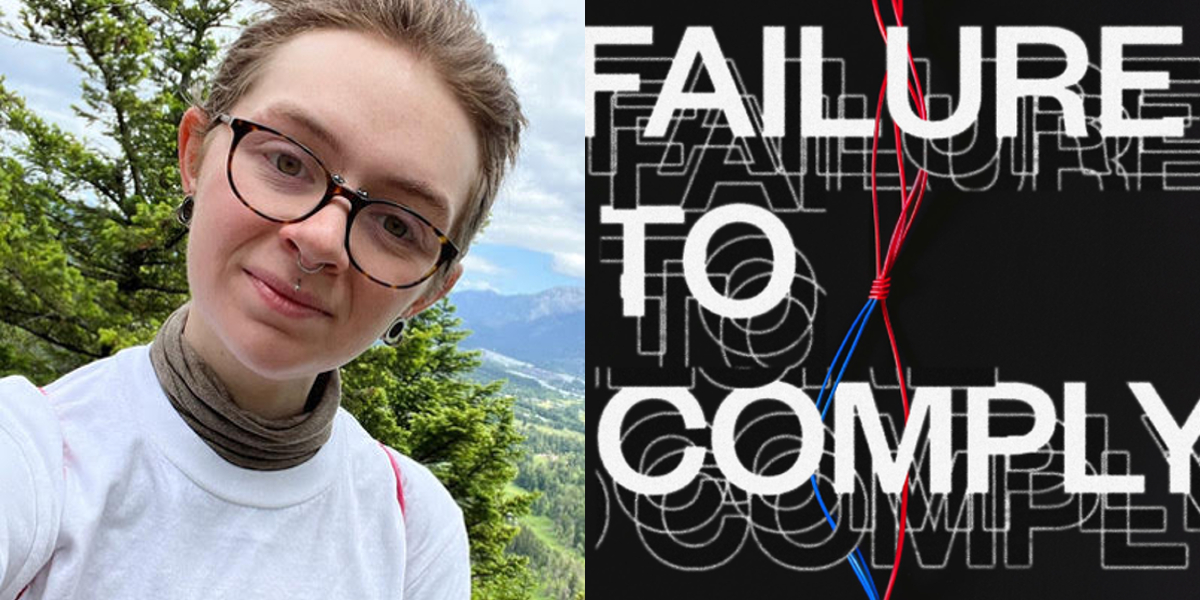
“Who is the future already happening to?” Cavar, a transMad author, chats to Keene Short.
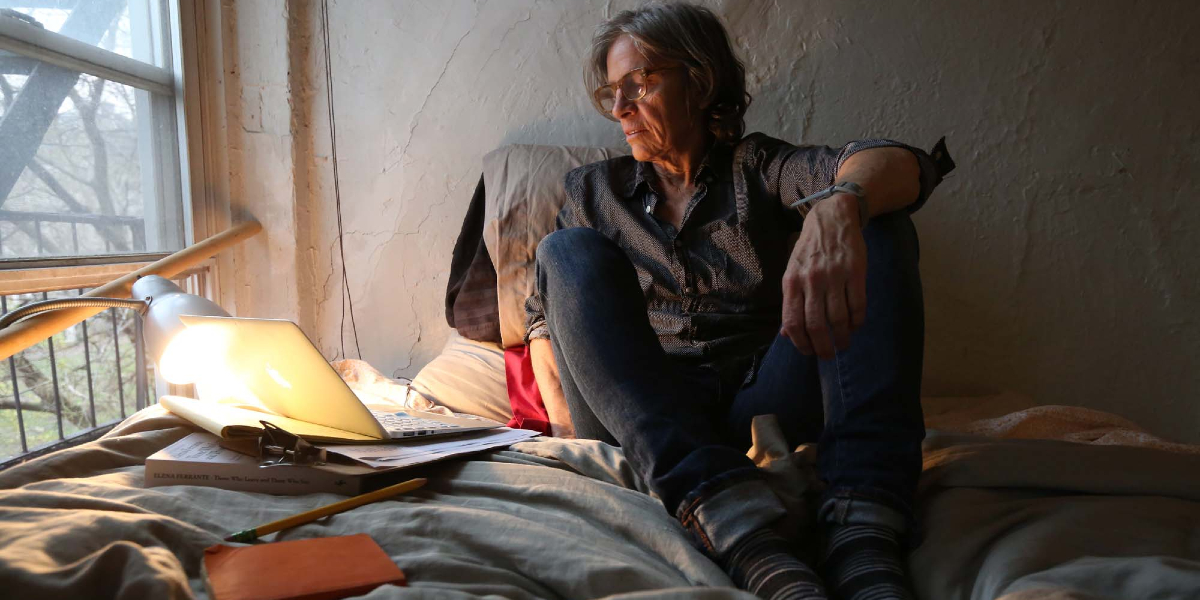
“There’s nothing more pathetic than being at a party, somebody asking what you do, and saying, ‘I’m a poet.'” Eileen Myles chats with Alex Creece.
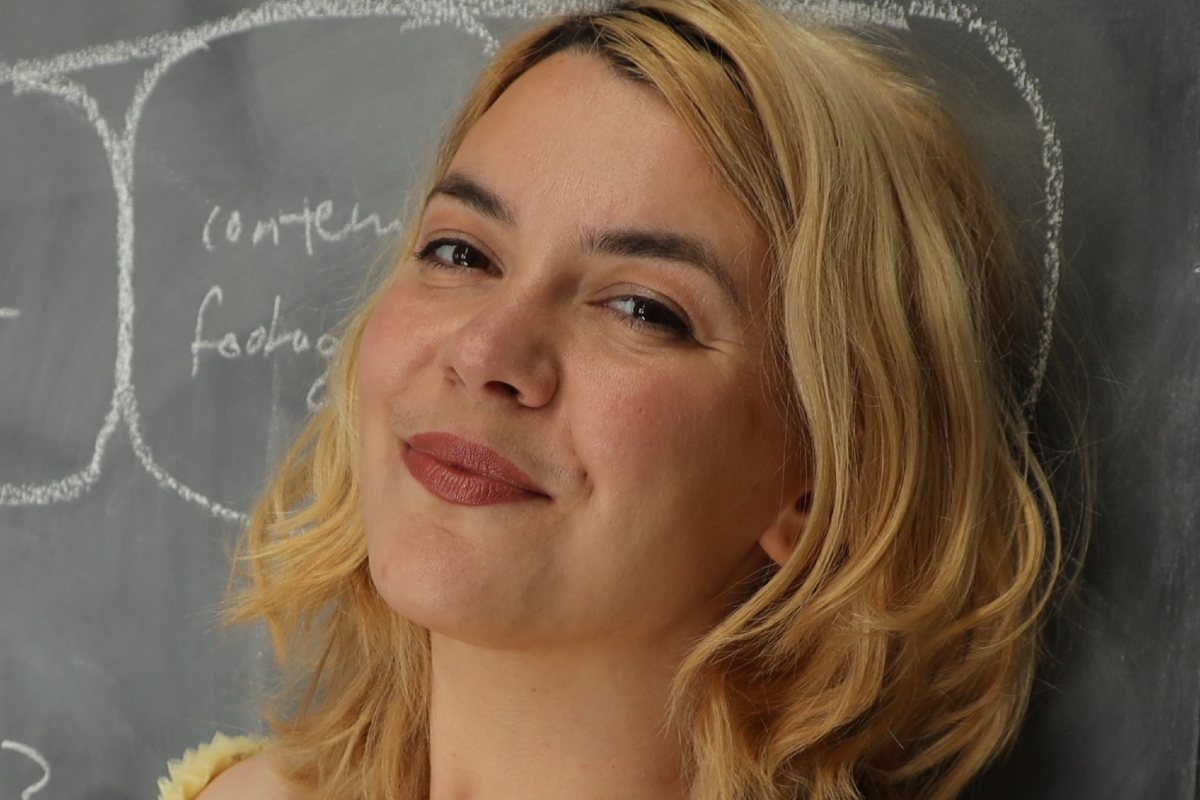
“From chanting in the streets to a whispered song, this is how we carry our stories from one person to the next, from one generation to the next.” Jazz Money chats to Archer Magazine.
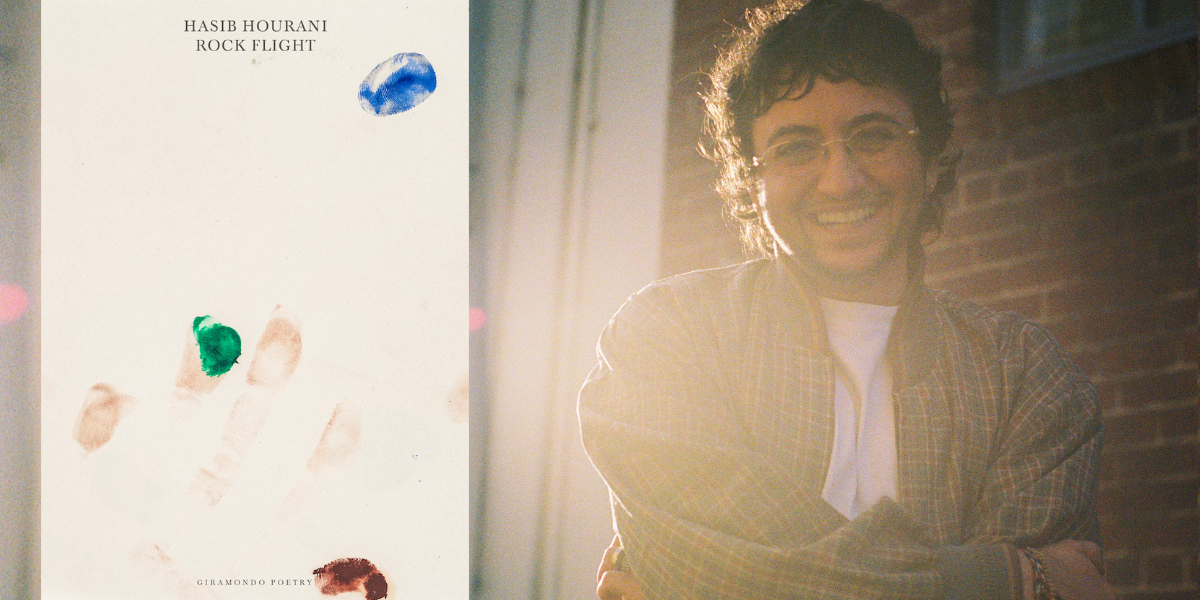
“I know that poetry is political. I know also that it’s inseparable from action.”
Hasib Hourani chats to Archer Magazine.
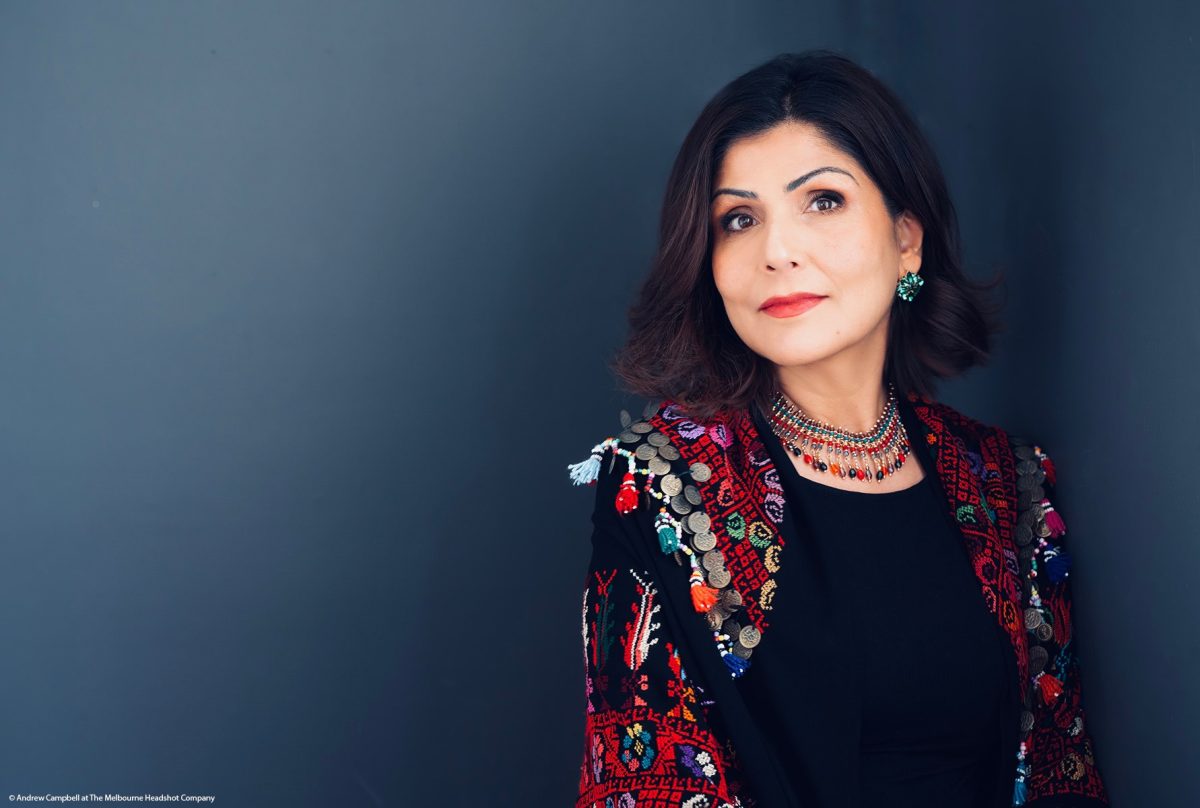
“I am in awe of Palestinian women. I have never seen such extraordinary patience, resilience and love for family.” Samah Sabawi chats to Archer Magazine.