

Queer Fashion Files: ‘Visibility, Venus 8 and the Politics of Being Seen’ by Danielle Fitzgerald
By: Hailey Moroney

Advertisement
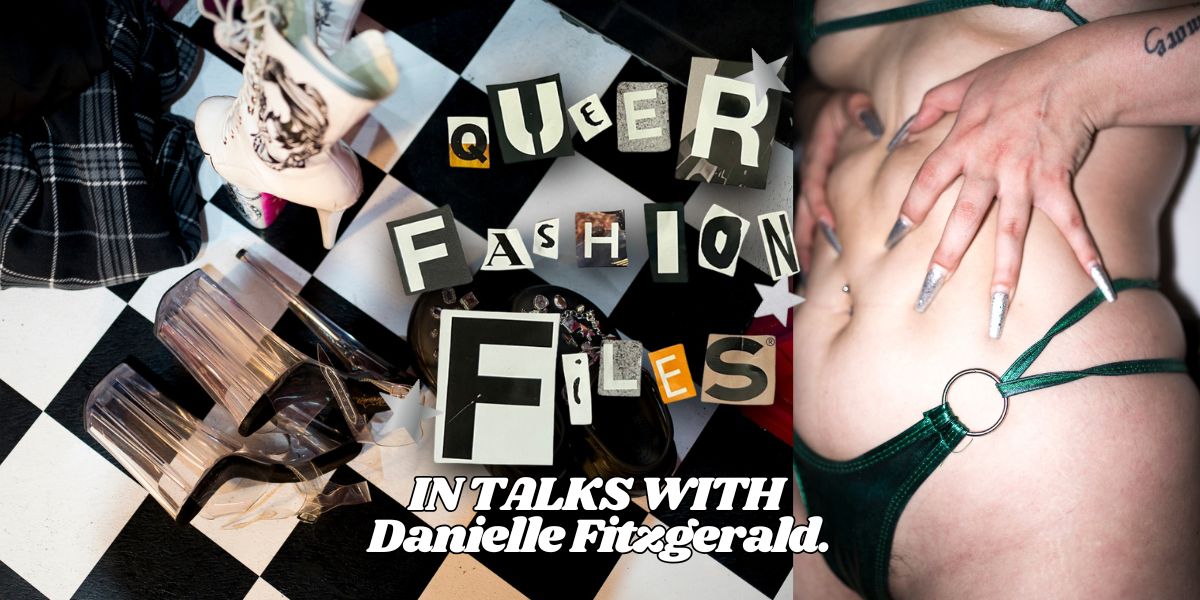
Welcome to Archer’s Queer Fashion Files! Each month, we interview trendsetters and tastemakers, showcasing the diversity and talent of the fashion world. You can check out all episodes of our Queer Fashion Files here.
In Episode 28, Hailey Moroney chats to Danielle Fitzgerald about the intimacy of backstage spaces, and her journey to photography after parenthood and a career in social work.
Danielle Fitzgerald (b. 1985, UK) is a documentary photographer whose work centres identity, culture and the layered realities of social life. She originally trained and worked in social work, and her photography practice is deeply informed by collaboration, trust and storytelling that resists spectacle and cliché. Danielle founded Venus 8, a long-form project documenting the lives of dancers and workers across Western Australia.
All images by: Danielle Fitzgerald
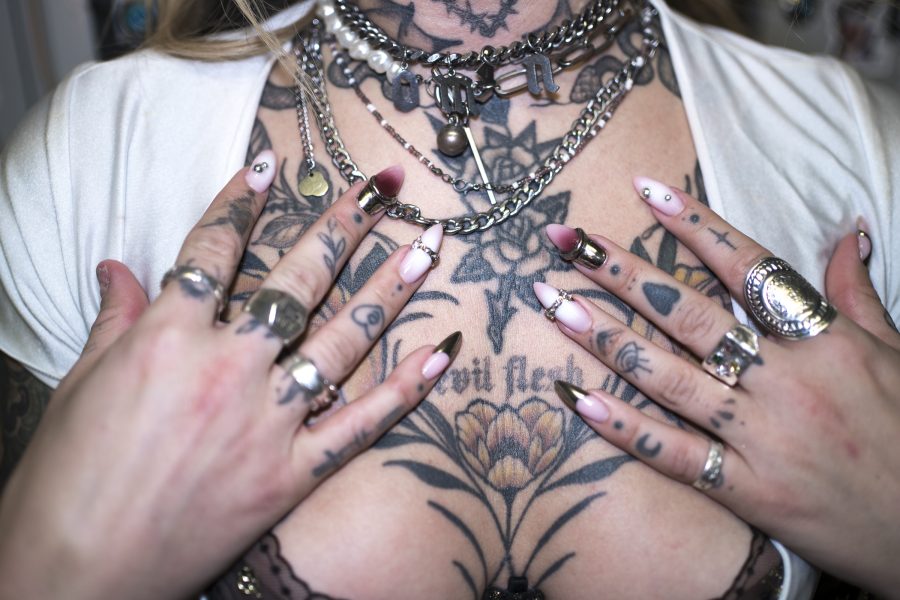
Hailey Moroney: Danielle, hello! This has been a few months in the making – I’m so pleased to be chatting with you. Your background in social work feels really present in how you photograph people. How has that way of listening and building trust shaped the way you approach documentary work now?
Danielle Fitzgerald: Hello, Hailey! I’m so happy to be chatting with you, too.
I’m so glad I did social work before starting Venus 8. The daily exposure to the unseen parts of society really helped me to adapt to any space. In social work, you’re often advocating for people in life’s most difficult moments – from mental health, addiction, family dynamics and homelessness, to name a few. You need to be invested to be successful in that job – to love what you do and be able to meet people eye-to-eye, where they’re at. You need a thick skin and a strong sense of grit to build that trust with people.
I think a career like social work prepares you for anything that comes next, especially with the creative work I’m doing now. There’s not only the consent ethics, but the care, time and intention that is put into a project. Social work gave me that base. To put the person first – above me, above the art. To be the backbone of the work, but allow space for the unknown. And lean into that.
This project is a collaborative one, where me and those involved work together, grow together and share the wins together. We have shared passion for the work and are in regular contact. They know me. I’ve opened myself up to them before we even start shooting. We meet, and I cover my history. My intentions, my whys, my secrets even, are all shared with them, as well as anything else they want to know.
It’s important to me that I give parts of myself to them, as they do with me when we shoot together. It feels more reciprocal that way, and we get better shots due to that connection. You can see it in the portraits.
There’s also a big justice thread that runs through me; in social work I was often called a “bulldog” in the way I would advocate strongly for my clients. I speaking up against injustice in systems to create shifts. I feel like I’m still like that now with this work – speaking out about visibility, the injustice of censorship, the takedowns, and the politics of who gets to be seen and who doesn’t. This is another thing me and my collaborators share. And why I strive for visibility in other places: to platform these voices in print, media, galleries and books.
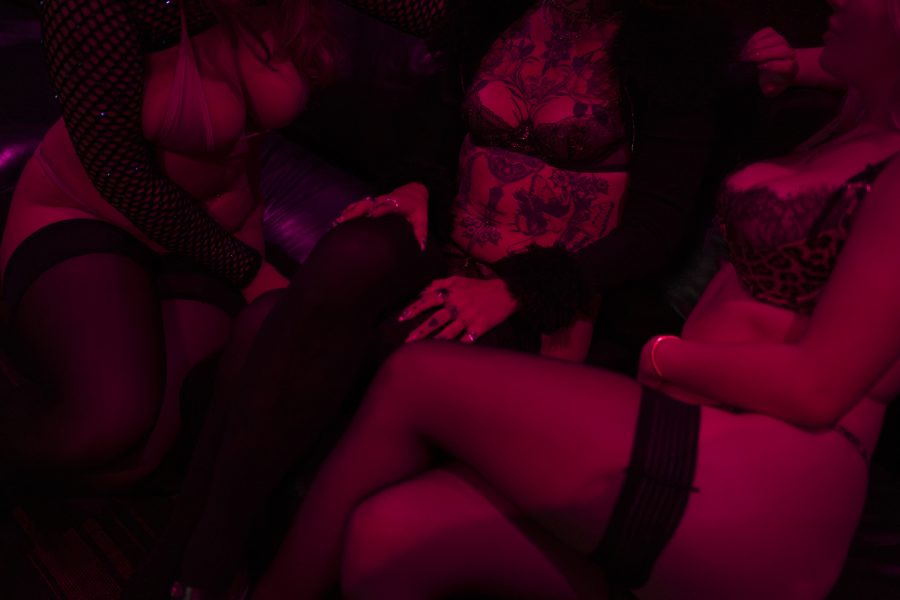
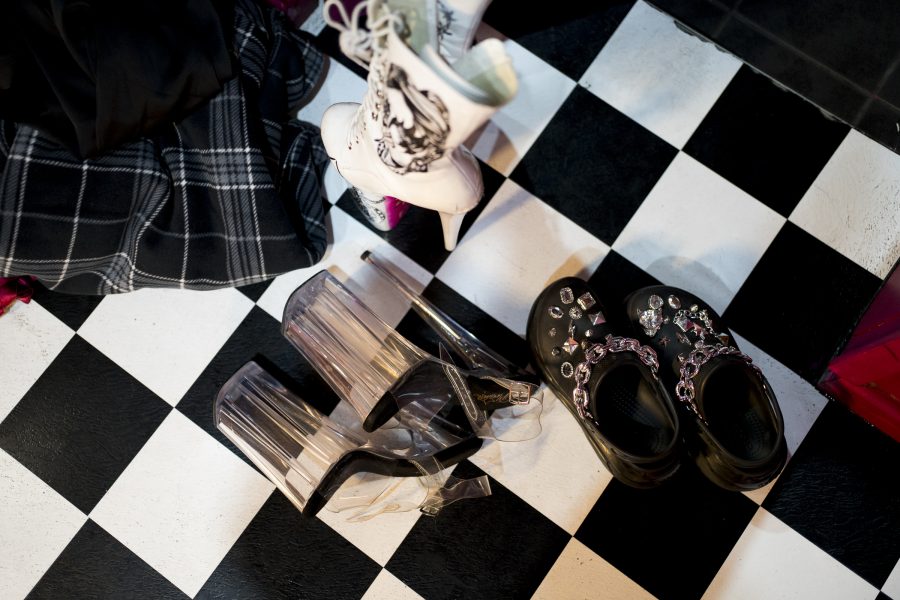
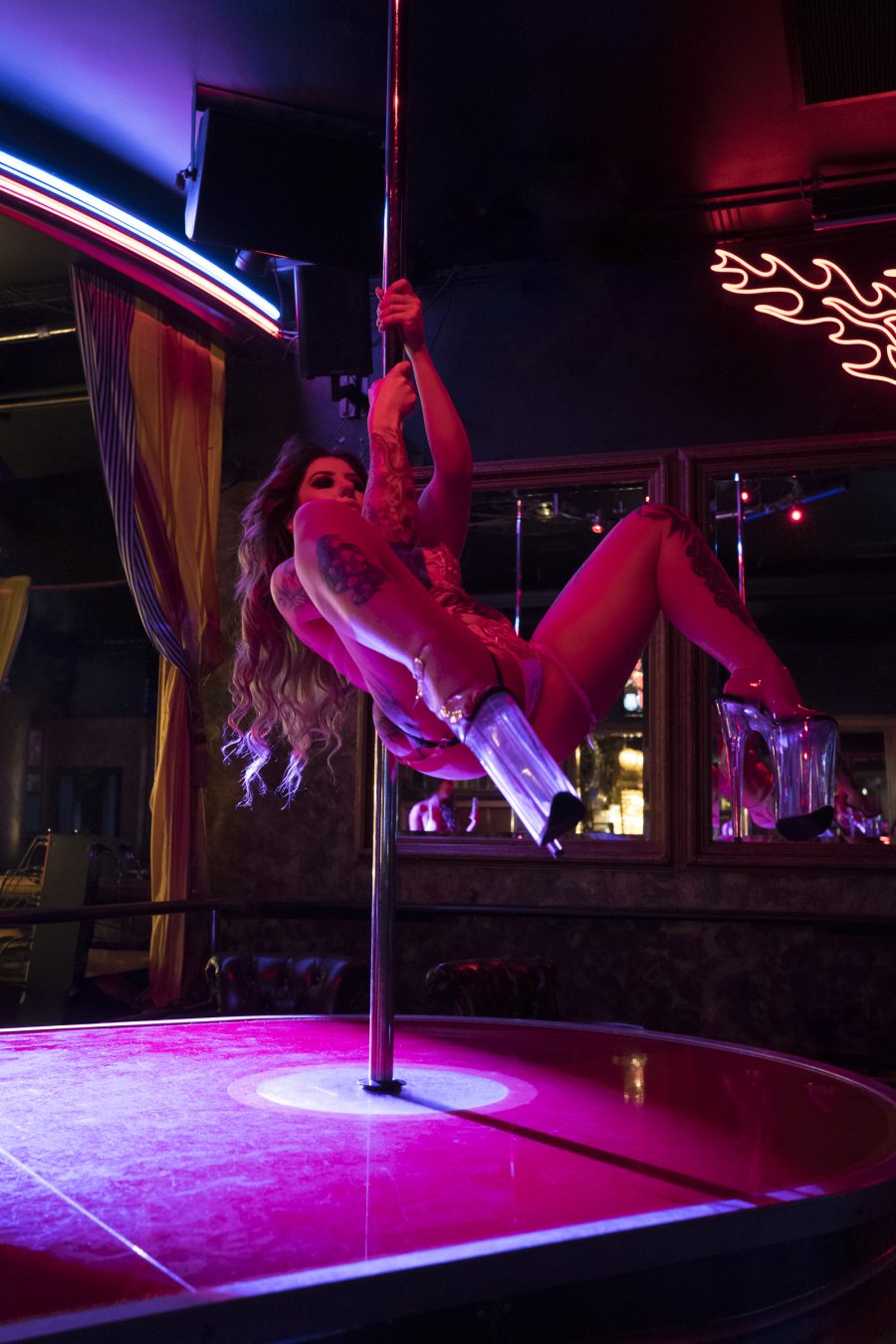
HM: Venus 8 is a longform photography series documenting the backstage worlds of dancers and sex workers in Western Australia that you’ve been developing for years. The project spends time backstage and in between moments, not in performance. What do those quieter spaces reveal about identity, labour and community that we often miss when we only look at the surface?
DF: I feel the quieter spaces are what feel most honest. They reveal the details of someone – their little quirks. You see their identities shifting in real time: from their civilian jobs or the role of parent or caregiver, and then to see them become their dancer/worker persona. I think we can all see ourselves in that juggle – we all carry this in our lives, in some way.
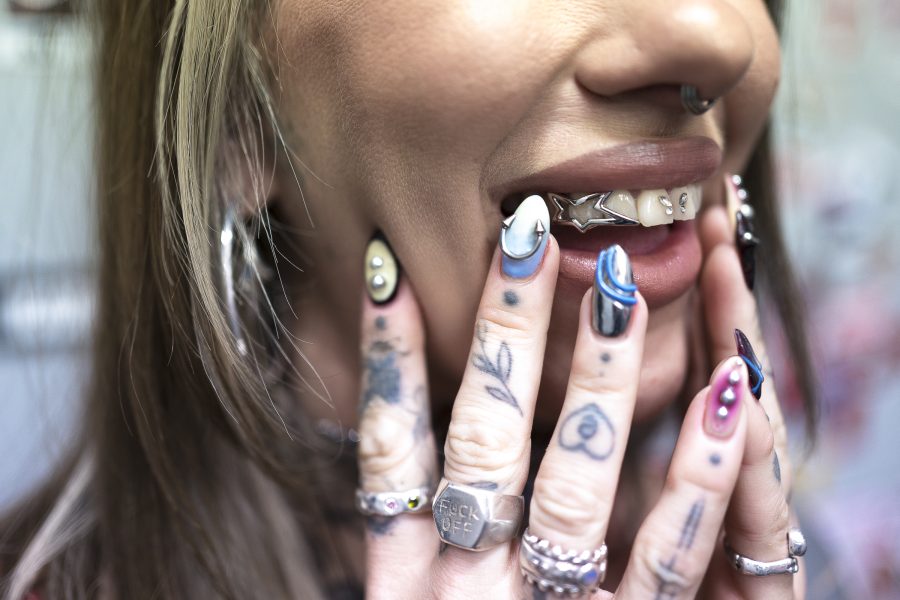
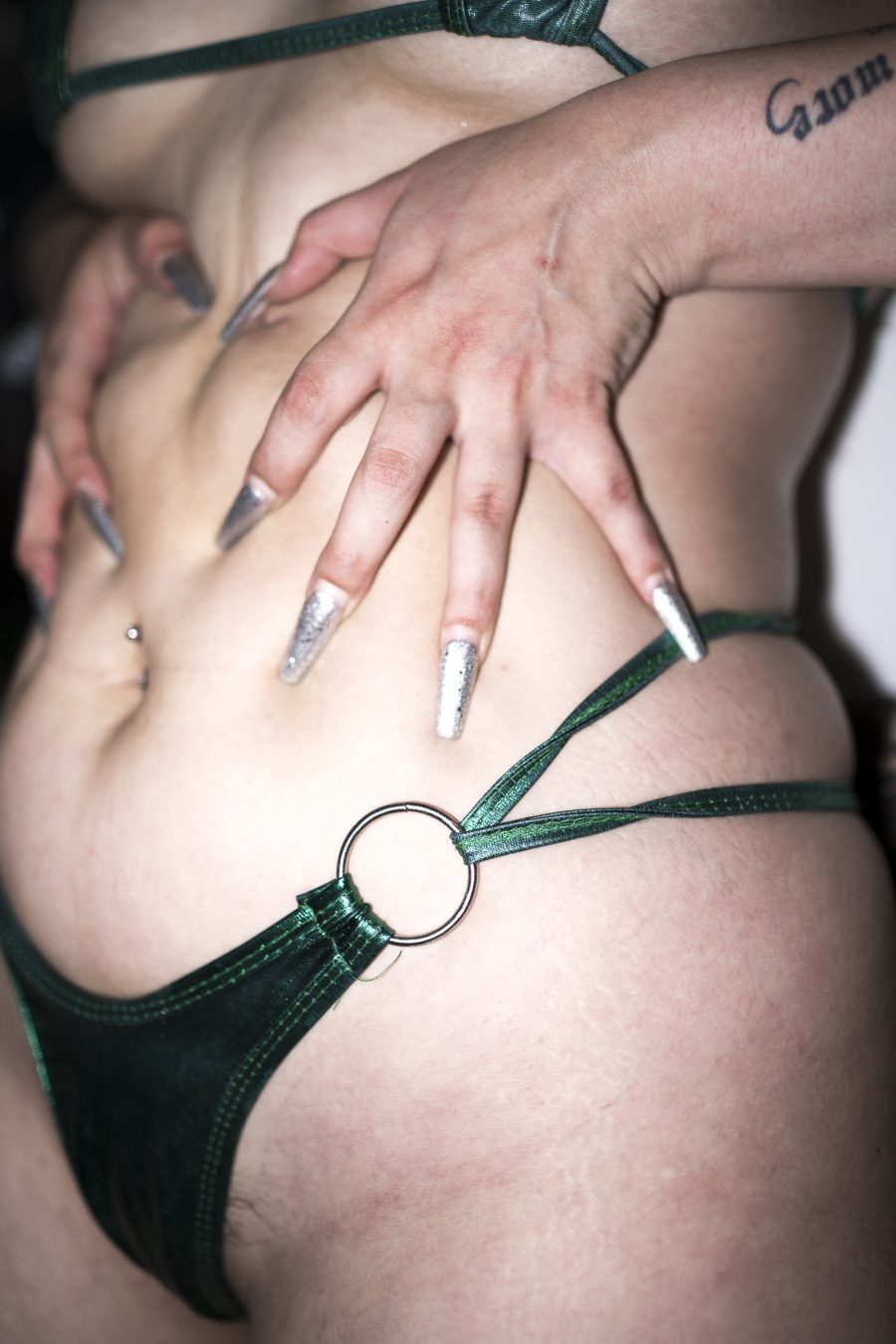
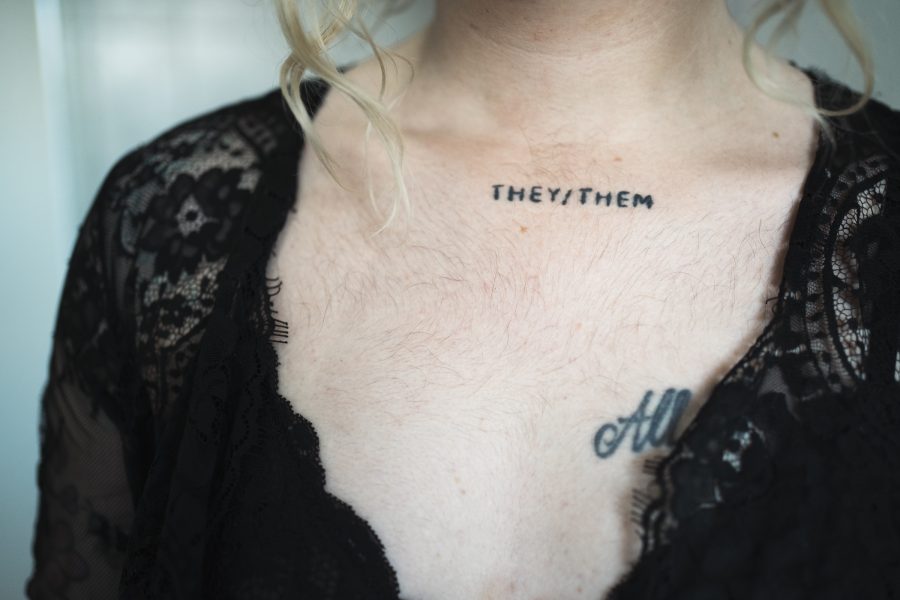
I’m drawn to people who have many layers to them: the complex characters. I see myself in this group. I love it when people reveal parts of themselves that many may miss. It could be the meaning of a tattoo, a name on a necklace, a ring that states defiance loudly (like with the “fuck off” ring pictured below).
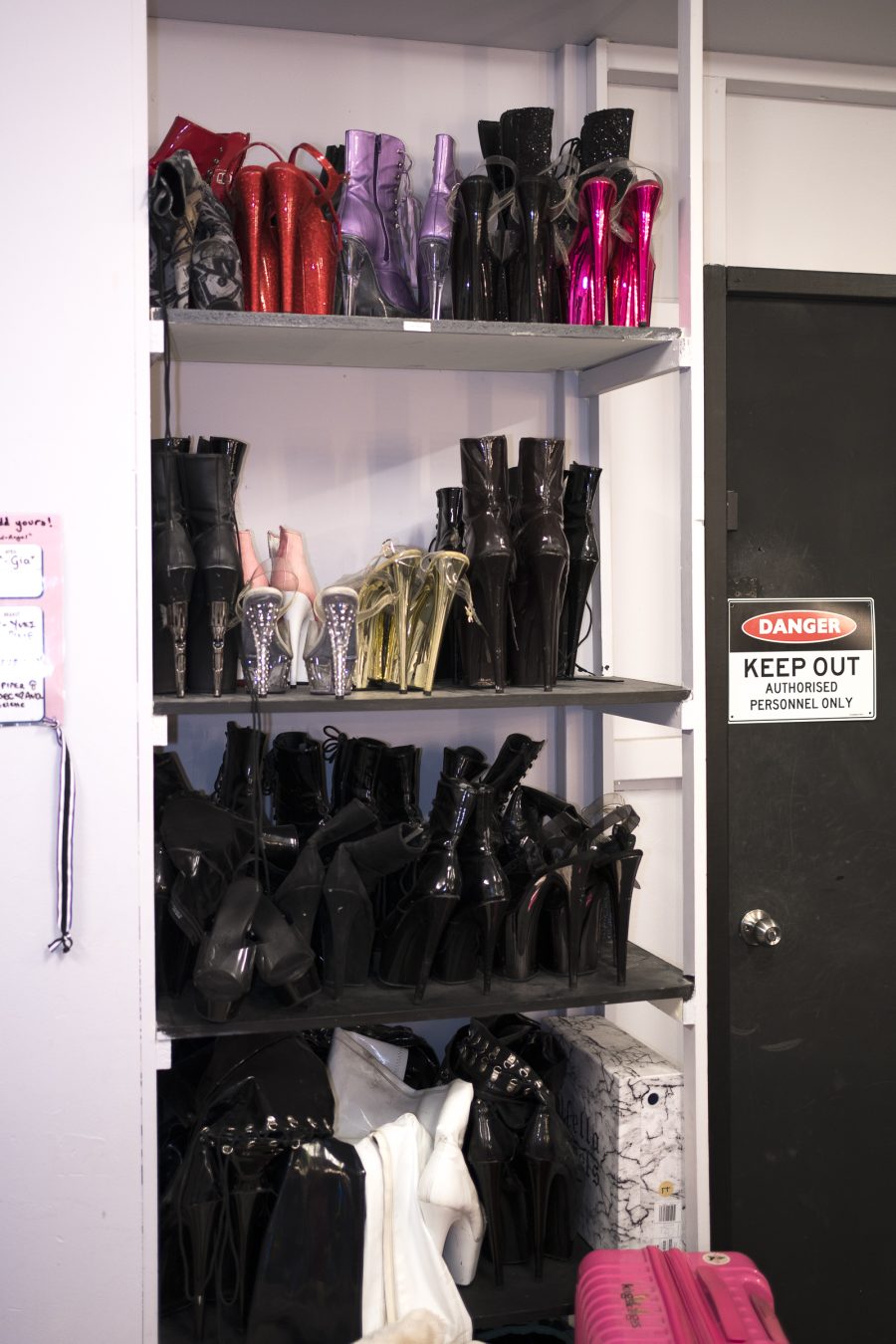
It could be a sticker on a locker, or a post-it note from a daughter on a mirror in the background. All these small elements of a scene tell you stories about the person/people in the frame. Their identity, personality, labour and strength, and how they move in the world.
HM: What drew you to create Venus 8?
DF: I had just gone through an identity loss. Leaving my social work career and becoming a full-time mother was a huge shift for me. It was challenging letting go of something I had done for 17 years. It took a while, but I eventually realised that I could take it with me.
With photography, I wanted to make something with meaning. I wanted to tell stories and immerse myself in a world I adored. I’ve had people say I’m “brave” to go into these spaces. I think this is a strange thing to say when it feels so natural for me to be in that space. It feels like home, but in a sense where I can be whoever I want to be in that space, and it’s all welcomed. If I’m tired, it’s okay, grumpy, also okay, filled with joy, welcomed. Where else do you feel a sense of belonging? Family, or I’ve found, the strip club locker room. It’s a safe space for me. It’s why I keep going back.
I also wanted to do something that had not been done in Australia and capture a part of the sex work history within Western Australia. Especially now, with the AI sweeps and constant deletions. Some of my most treasured creators are gone and it makes me want to counter every deletion with visibility.
HM: What words of advice would you give to younger queers who want to explore a career in the arts – particularly photography?
DF: Choose something you feel a genuine responsibility towards, not just an interest in. What’s something you could talk about for hours, or a culture you feel a strong genuine pull towards? Don’t attach agenda, money or needing to ‘get something back from it’.
Find something you genuinely feel passion for, and expect it to be hard.
When I first started, I hadn’t carved out my voice. Instead, my voice established in the doing. I just began when things felt imperfect. It wasn’t until two years into this work that I really knew what I wanted to say. It was always there, but it refined more during the action.
Also, make mistakes, as many as you can early on. I’ve found this especially with the technical side of things and being self-taught. Those early mishaps really shape your vision. I lost all my edits once and started again after two years of work was gone! Nightmare. But when I set them back to raw and started again, they were better. It was meant to happen, although it felt like a throat-punch at the time!
HM: What’s next for you? Are there any projects you’ve working on this year you’re excited about and want to share with our audience?
DF: So much! Currently, I’m starting initial meetings with a US publisher and two photobook designers in Berlin. Over the next year, I’ll be curating, sequencing and designing the book. The book could take nearly two years, but I’m okay with that. I still have so much work to edit. After that, I would love to do a Perth-based book launch and large exhibition. So, that’s the plan once the book is close to completion.
Alongside that, I will be planning for project two, which will be a monograph of my own personal experience living with chronic illness and disability. Again, this work will be confronting and surreal in a way. I’ve not been able to articulate my experience in words, and I believe visuals will be the only way to spread this message with more impact.
I want to show not only the hidden aspects of what it means to have lived experience, but also the beauty, joy, scars, isolation, the stark realities and resilience. I want to show how disability both changes and shapes you as a person – eventually, and for the better. This work will be more conceptual in nature, but very Venus-8-coded, reflecting how disabled bodies, like sex-working bodies, are often hidden, stigmatised, and required to work harder for access, dignity and visibility.
If you want to pitch an idea for Archer’s Queer Fashion Files, email pitch@archermagazine.com.au with ‘QUEER FASHION FILES’ in the subject line. You can check out the rest of our Queer Fashion Files here.