


Stories about: Archer Asks
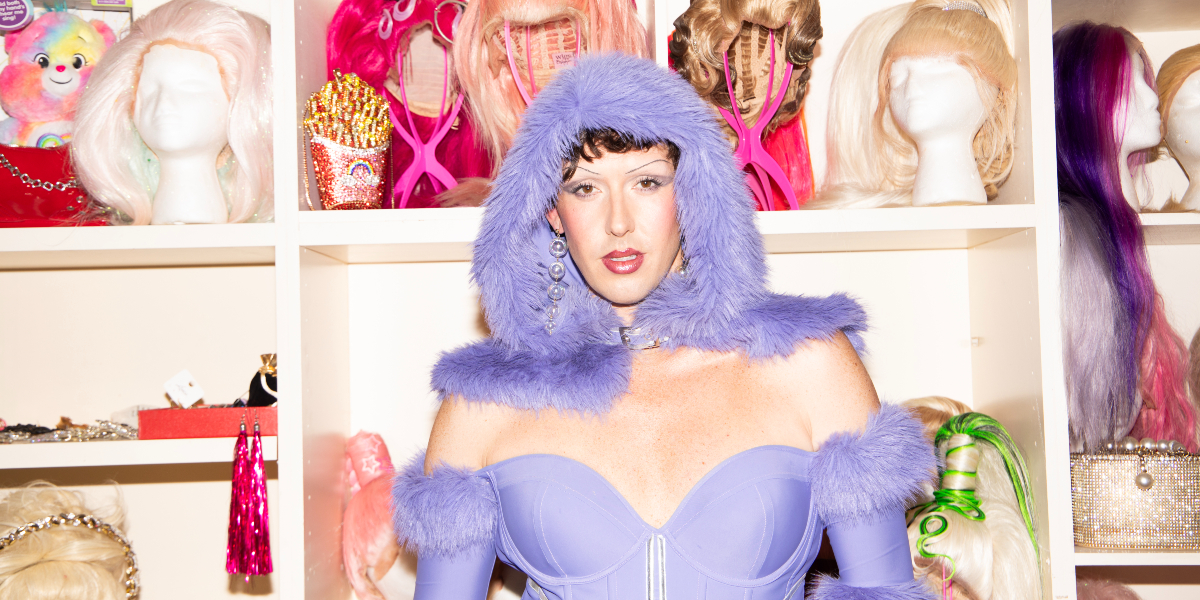
“My music has some serious perspectives, but the through line and the outlet is the party, baby!” Jimi The Kween chats to Archer Magazine.

I was working at a strip club, and the show was really borne out of the similarities between children and grown men – for example, not being able to keep their hands to themselves.
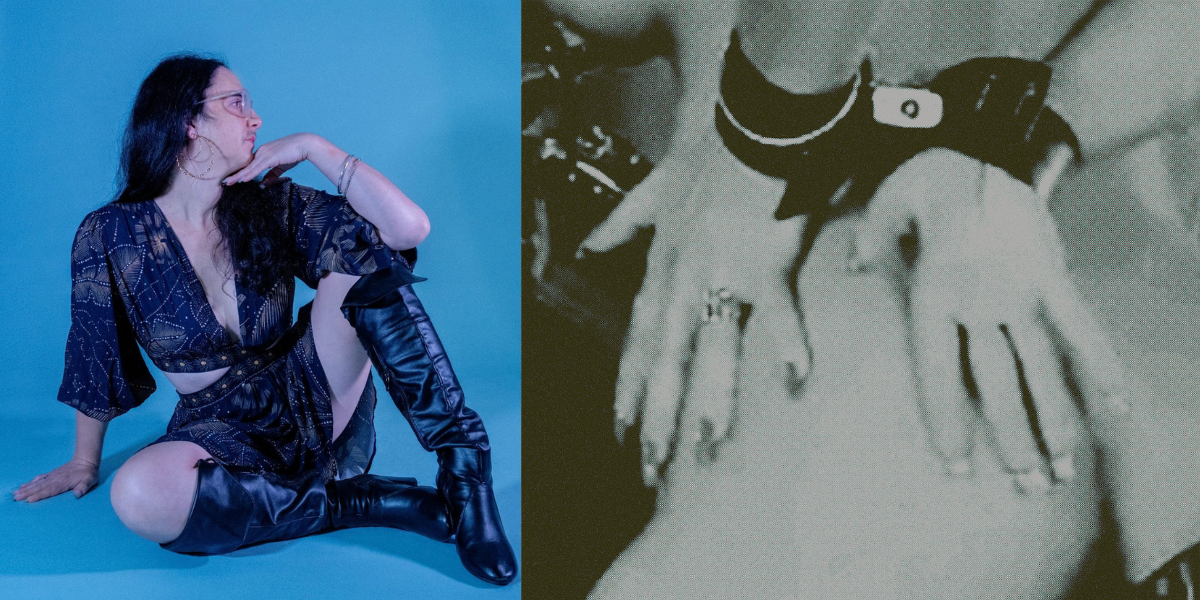
I started to think how that is the story that this album tells: how dancefloors and dungeon floors have this shared history.
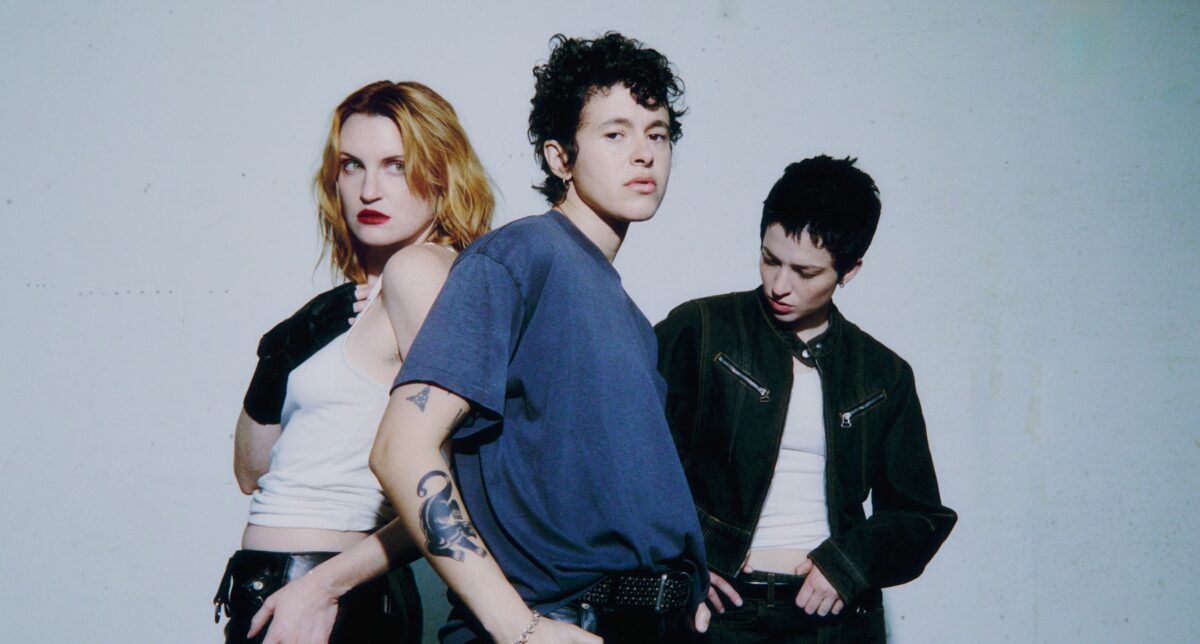
MUNA spoke to Archer Magazine about their astrological charts, Meg from Hercules being bisexual and making sad music with thumping basslines.
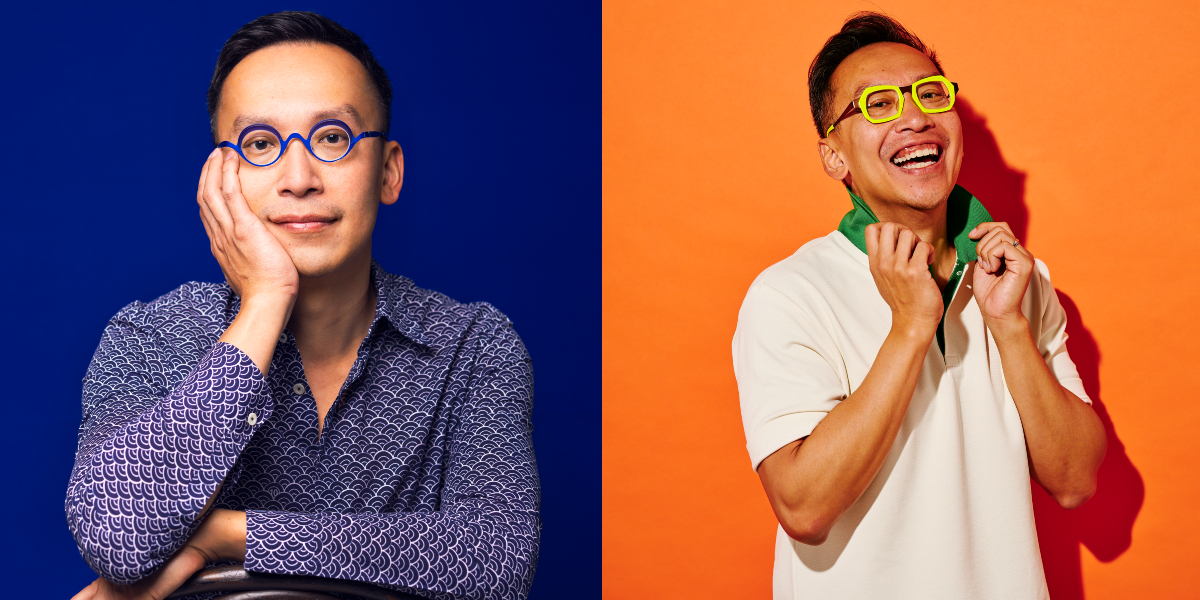
“You can’t always talk about where you’re from, but you can cook it.” Alvin Quah chats to Alex Creece.
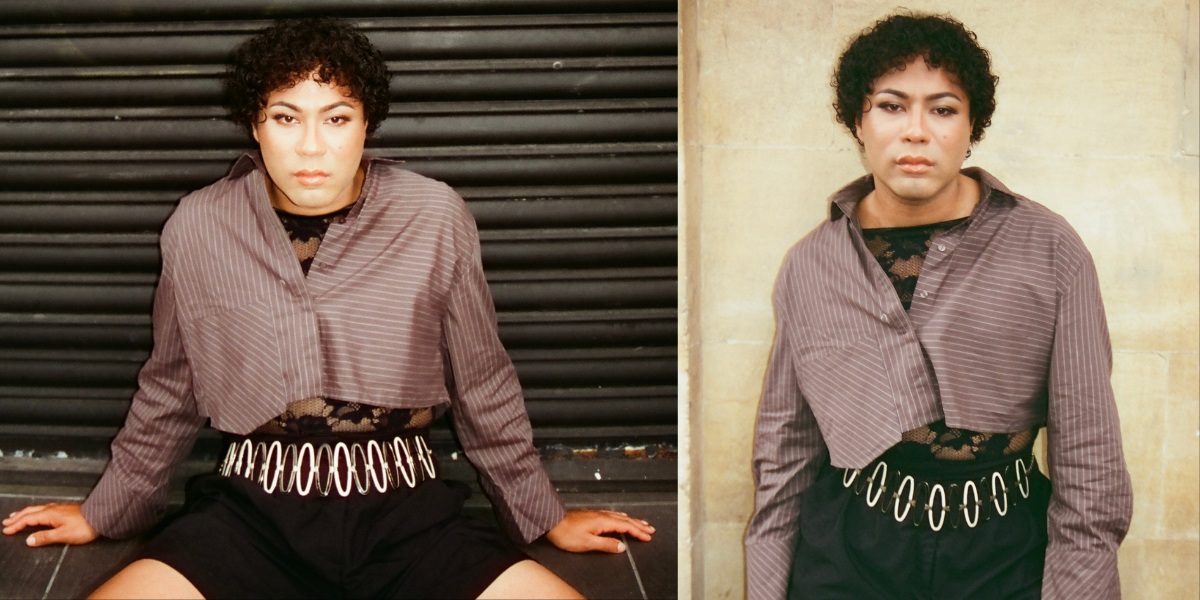
I want a world where all people, but particularly those most marginalised, get to do what they want to do and be supported in it. It’s as simple as that, really.
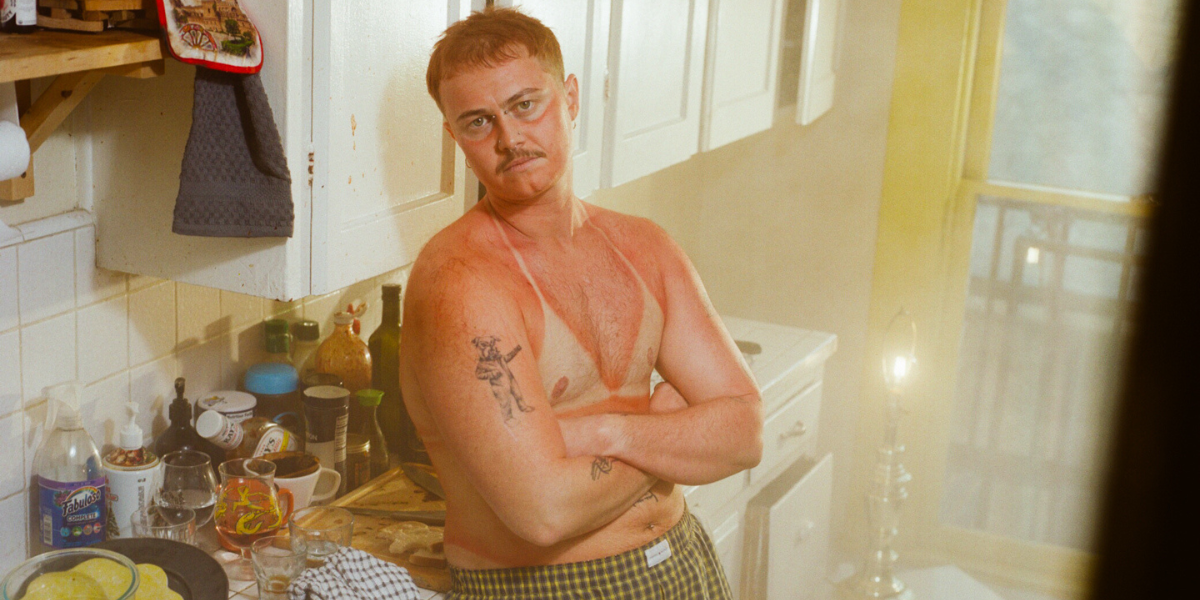
Alice Vyvyan-Jones spoke to LA-based artist Swsh about safe spaces, queer creative communities, and making work through identity, desire and growing confidence.
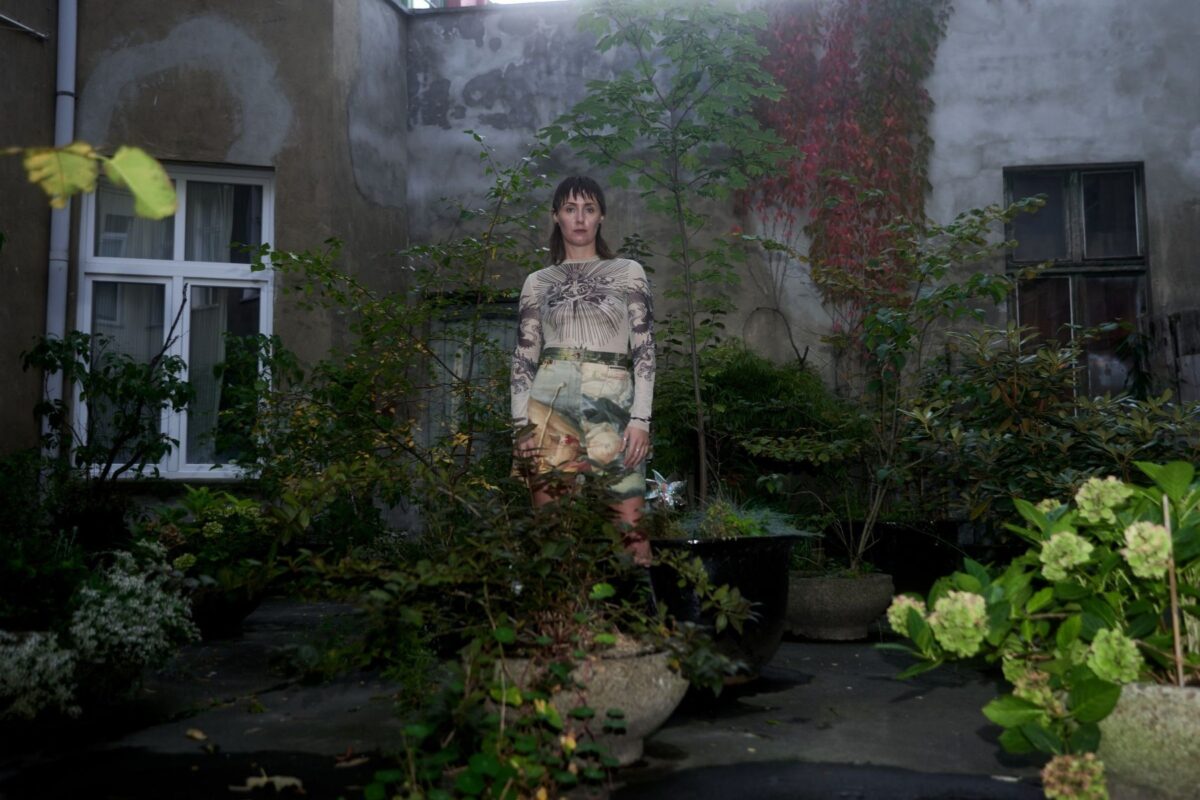
DJ Estée Louder chats to Archer Magazine about dancefloor politics, queer electronica spaces and dyke history.
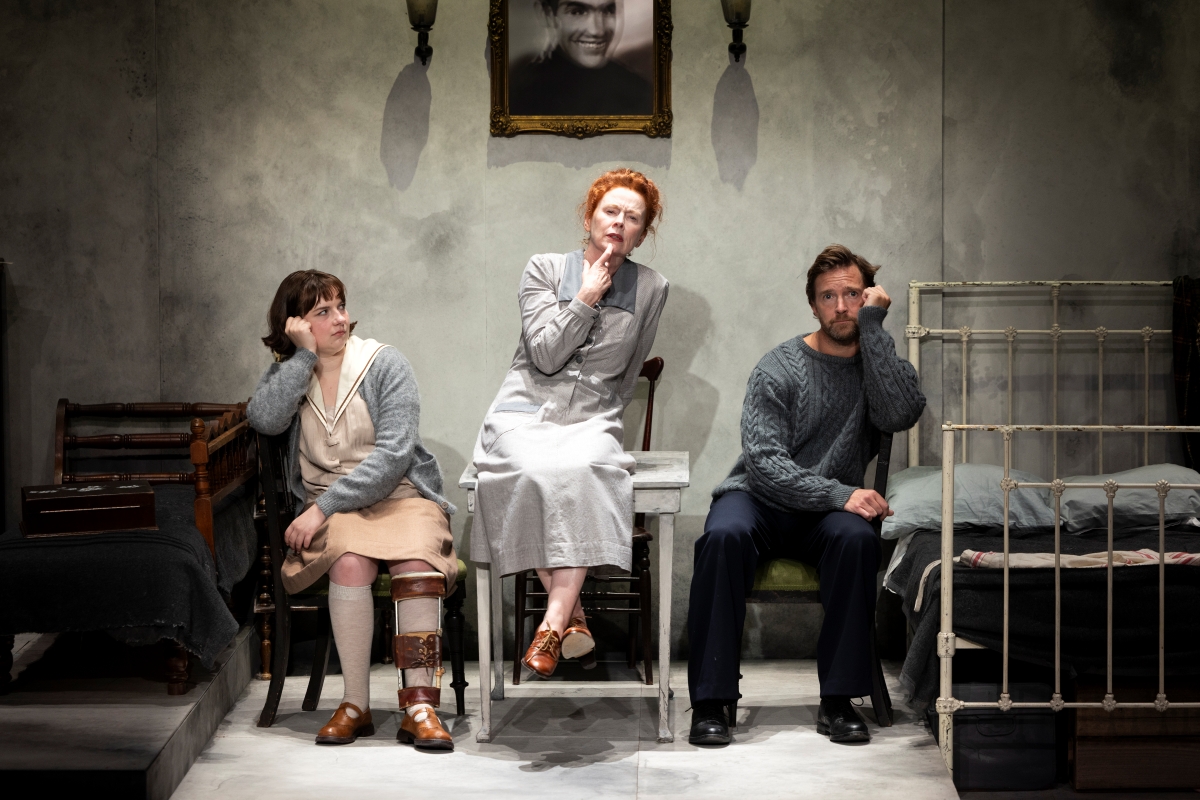
Archer Magazine spoke to Melbourne Theatre Company about ‘The Glass Menagerie’ and the enduring queer legacy of Tennessee Williams.
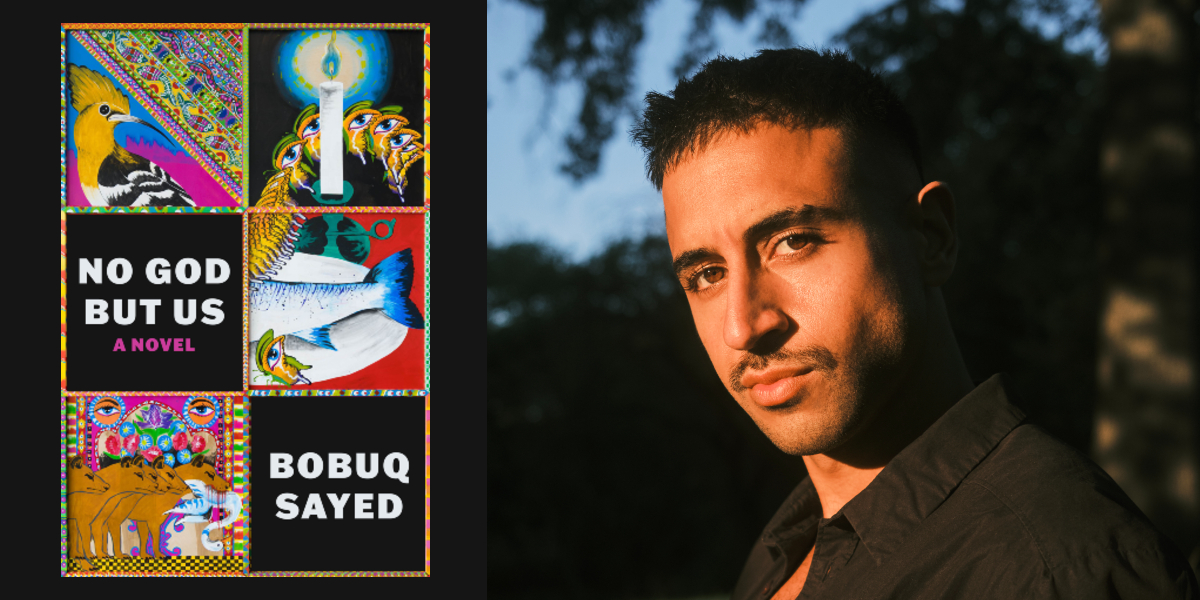
“I try to convey the diverse reality and complexity of what queer and trans refugees and migrants experience, and not just some kumbaya fantasy of everyone sharing resources and taking care of each other.” Bobuq Sayed chats to Alex Creece.
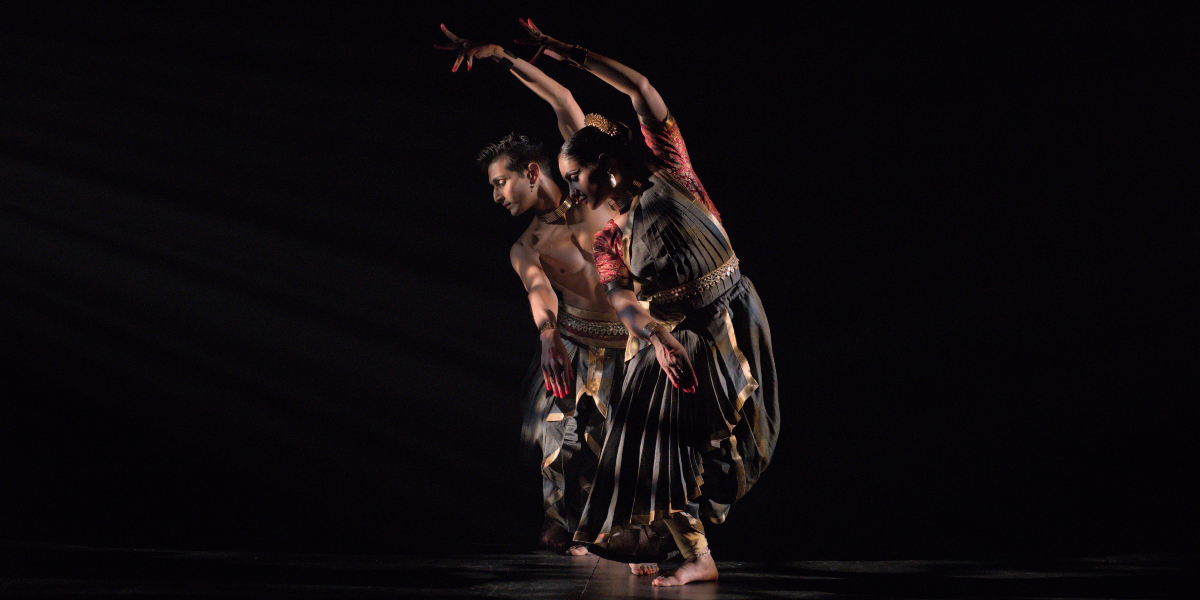
“I don’t think questioning tradition is disrespectful. I think refusing to question it is far more dangerous.” Karma Dance’s Govind Pillai chats to Dhriti Gandham.
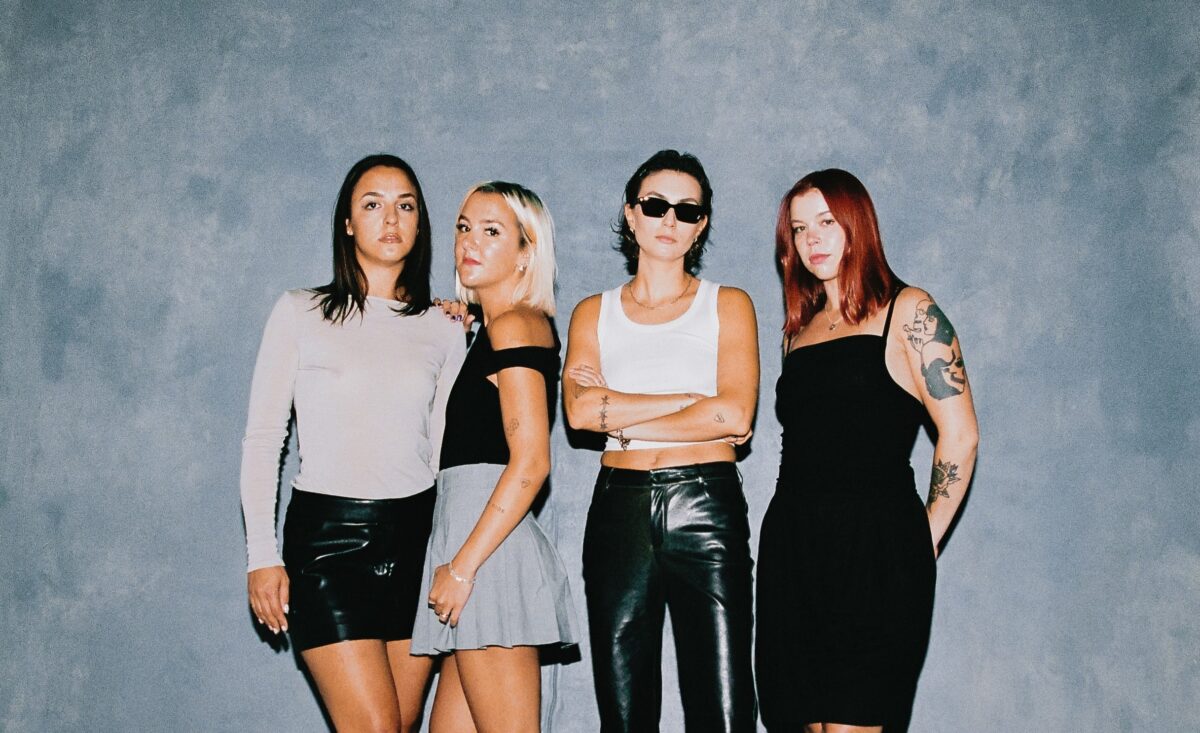
Archer Magazine chatted to The Beaches about their new single with G Flip, about rage in music and queer visibility.
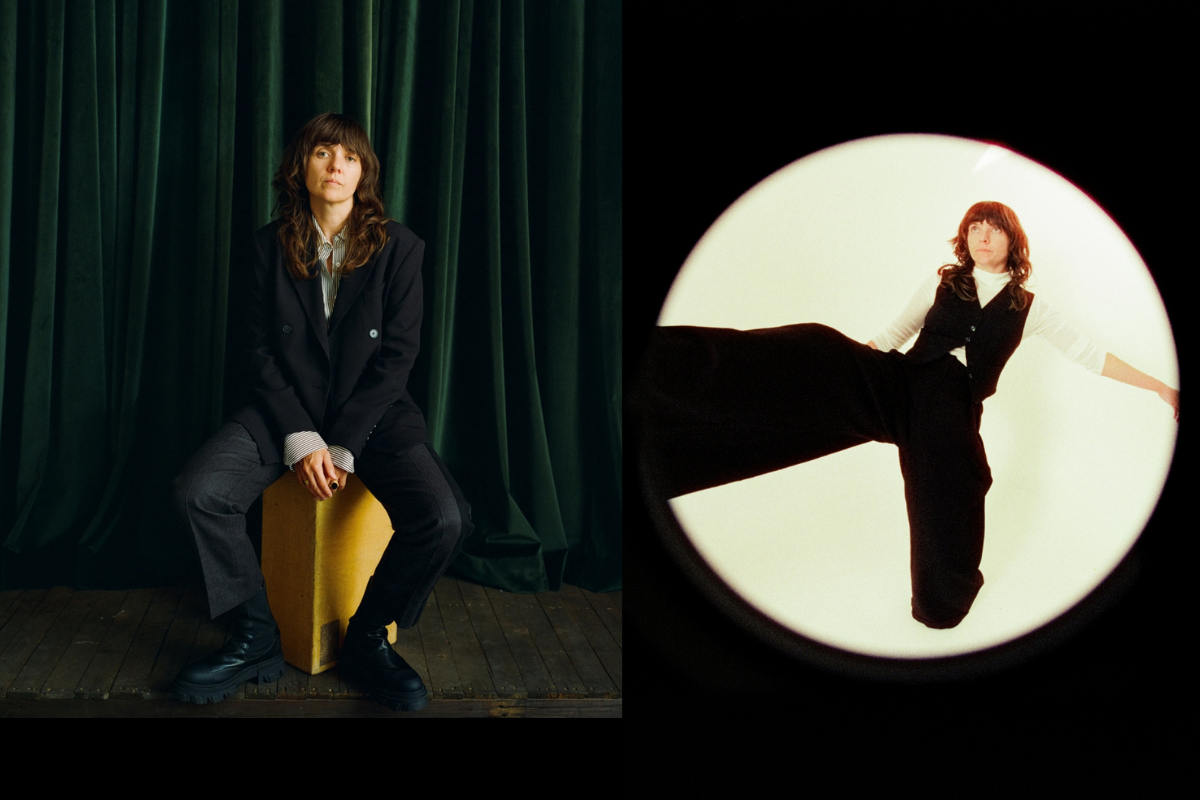
Archer Magazine talks to Courtney Barnett about her new album ‘Creature of Habit’, listening to signs from the universe, and ‘Shark Tank’.
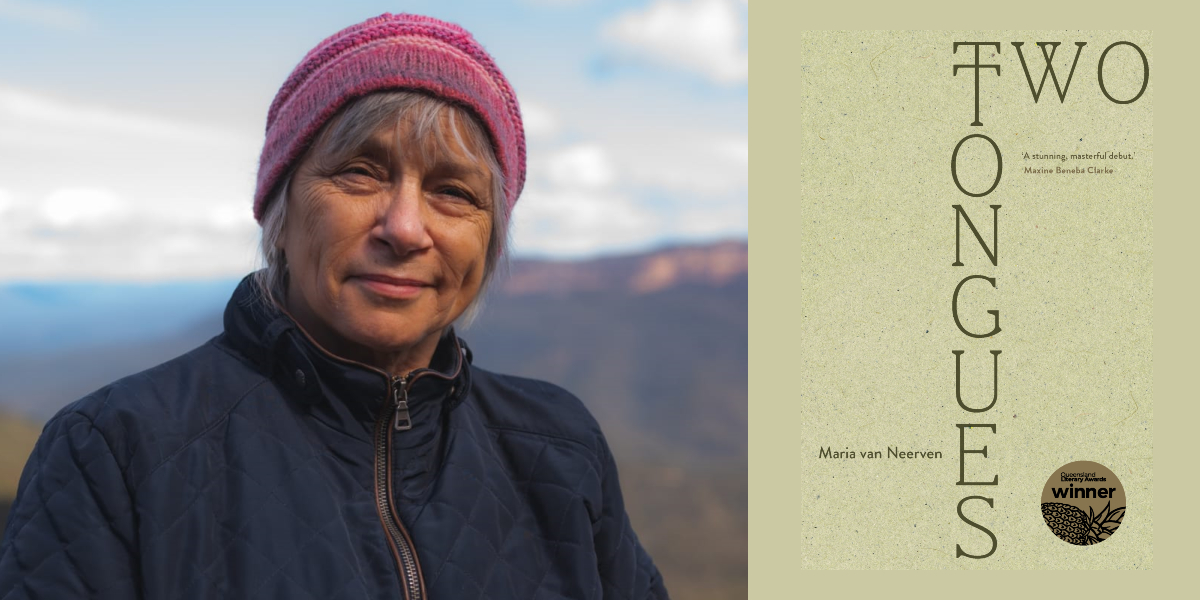
“It is an honour to use our language in my poems; my ancestors voices can be heard in-between the pages.” Maria van Neerven chats to Alex Creece.
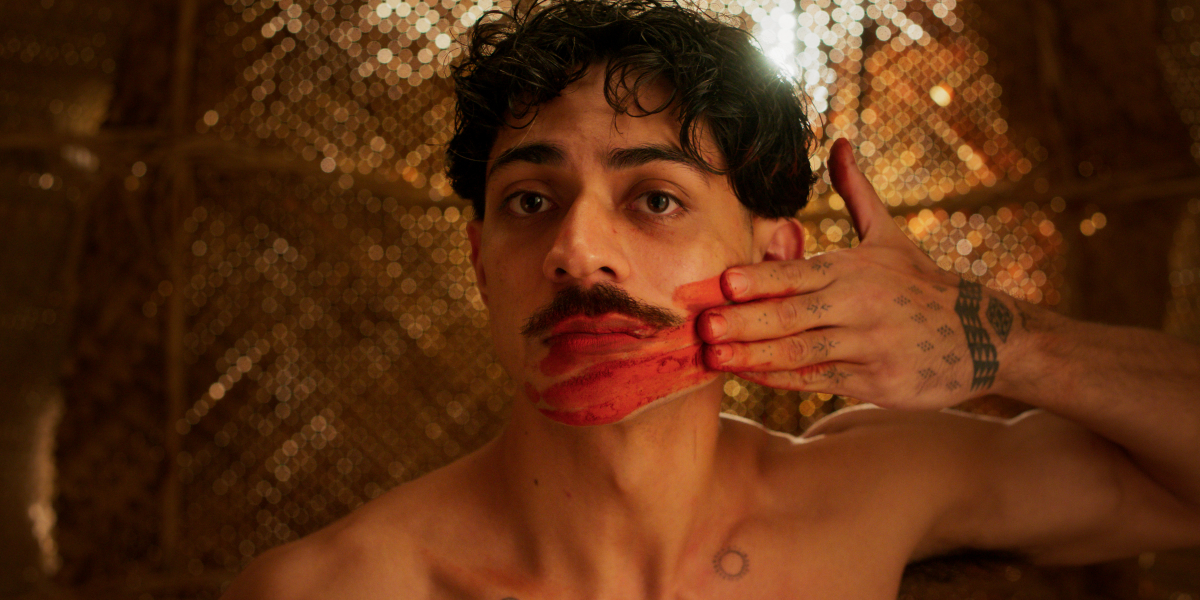
“We are of the land, and the land is of us, symbolising brown boys coming back to land as a way to find themselves.” Daniel Mateo chats to Alex Creece.
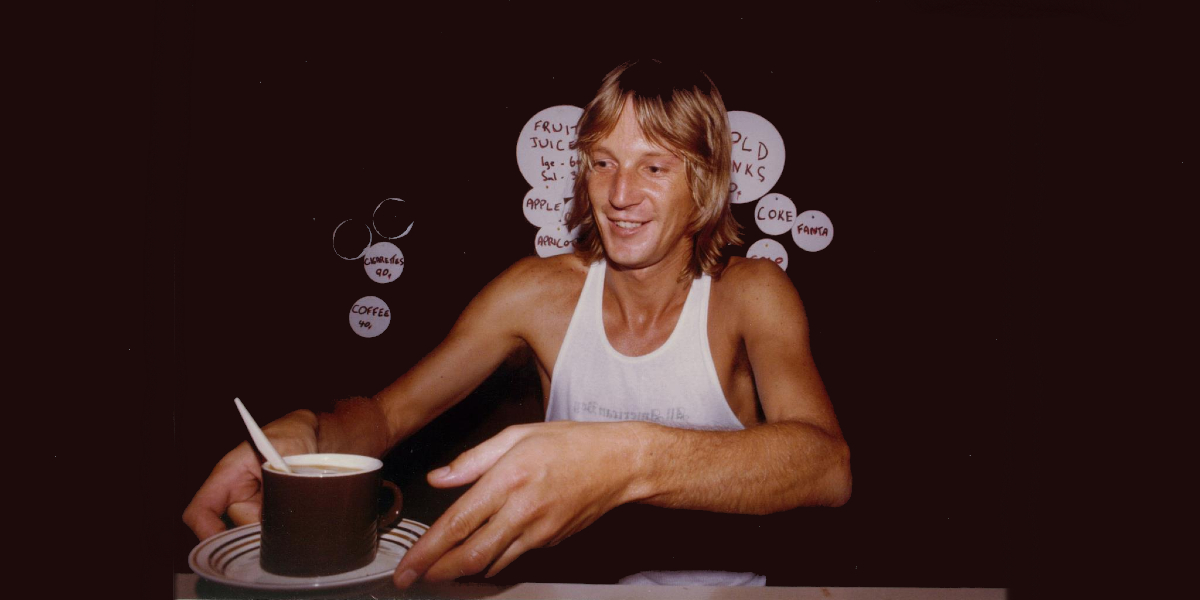
“We knew what men of the time wanted and how they wanted it, and we gave it to them in spades.” Ülo Klemmer chats to Laura Castagnini.
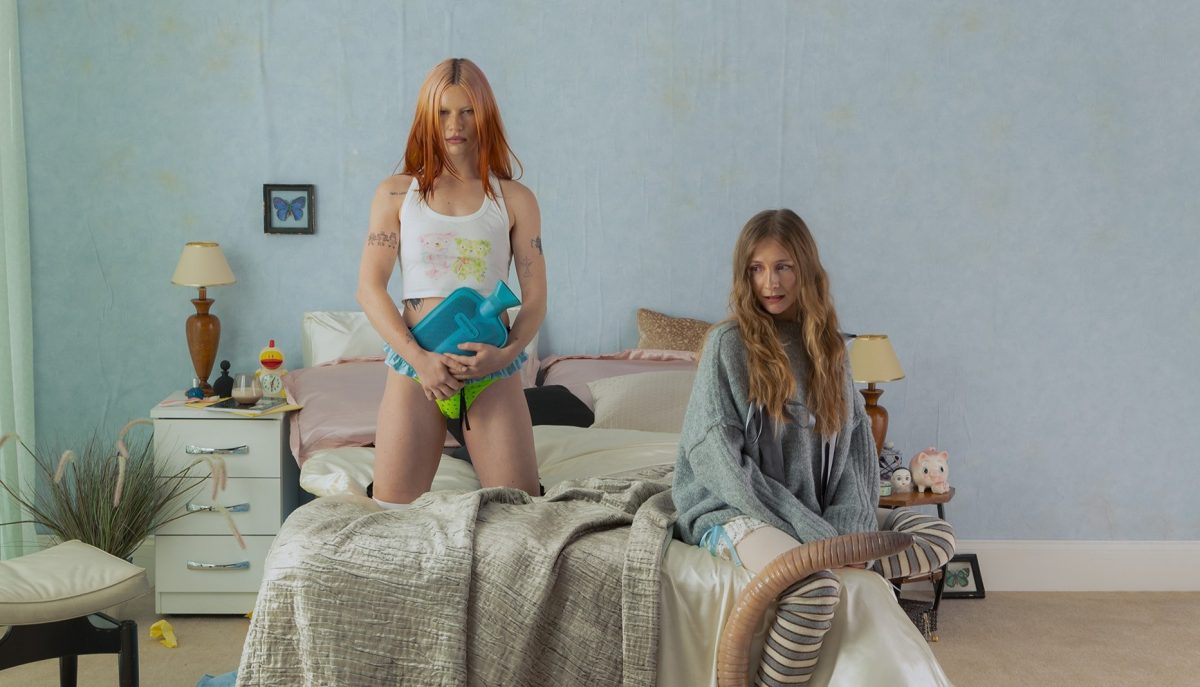
Ahead of their tour dates in so-called Australia, we chatted to Wet Leg’s Rhian Teasdale about queer yearning, feral lyrics and eggs.
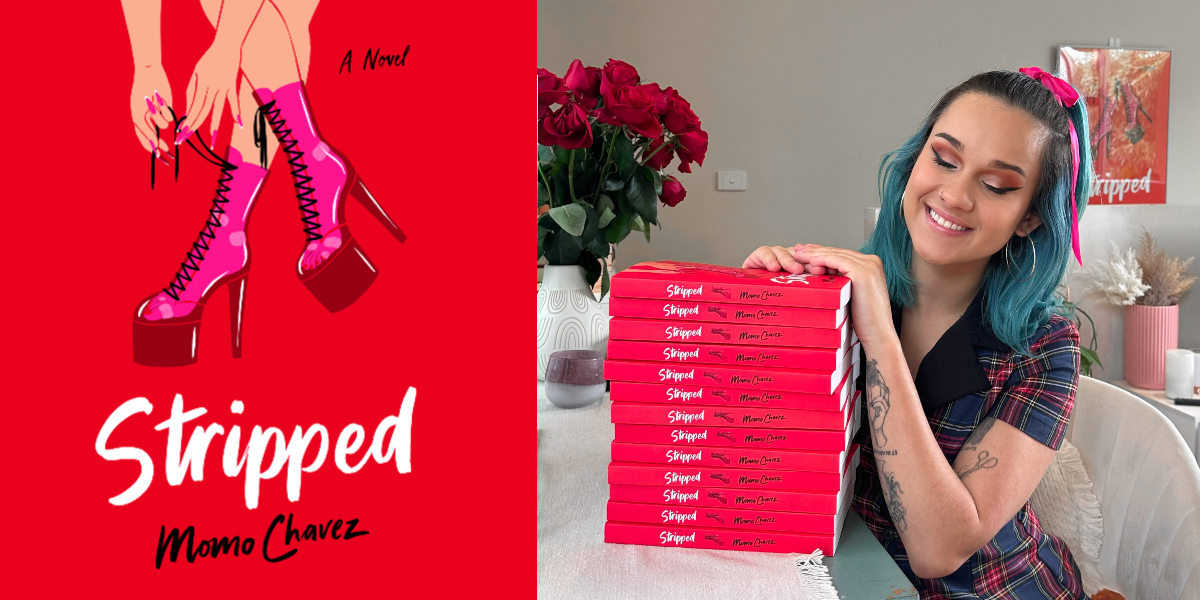
“We need more stories written by sex workers for sex workers!” Momo Chavez chats to Archer Magazine.
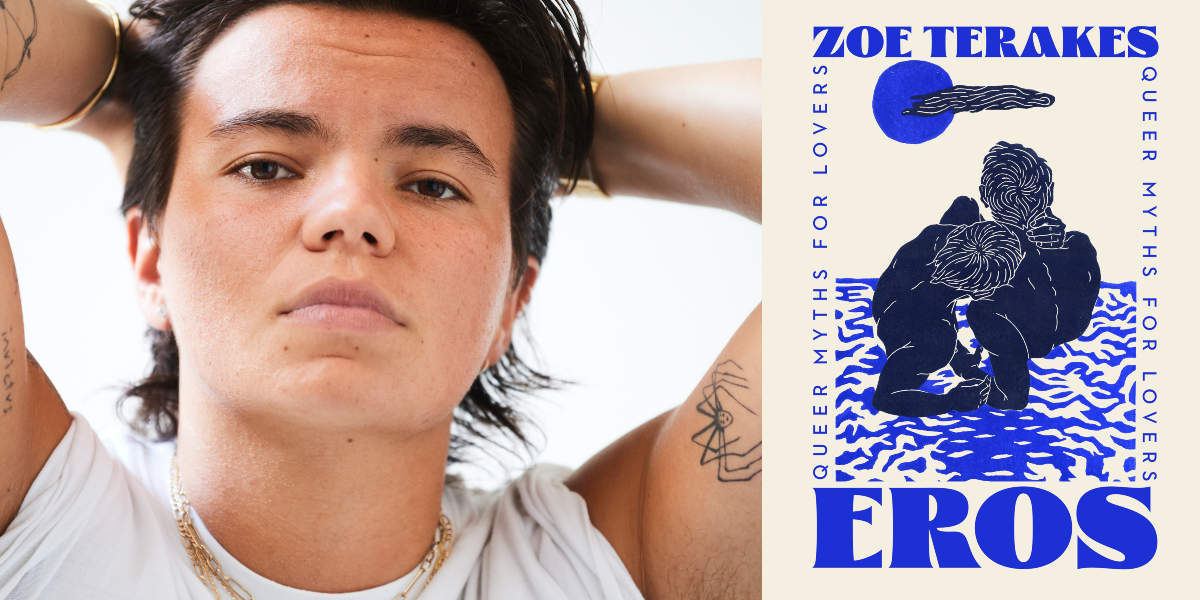
“Nature depends on transness – we see it in mycology, fungi, plant life, fish and hyenas.” Zoe Terakes chats to Alex Creece.
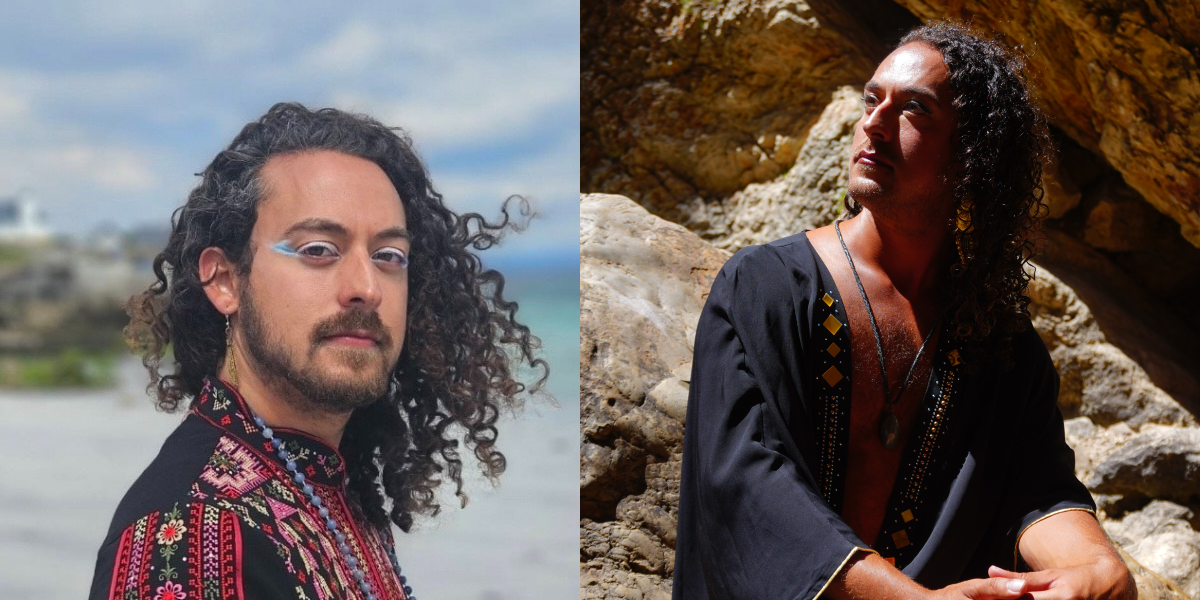
“The work to build a collectively liberated world is always going to be easier than living in this current – really oppressive – fascistic world.” Mx Yaffa chats to Anna Hu.
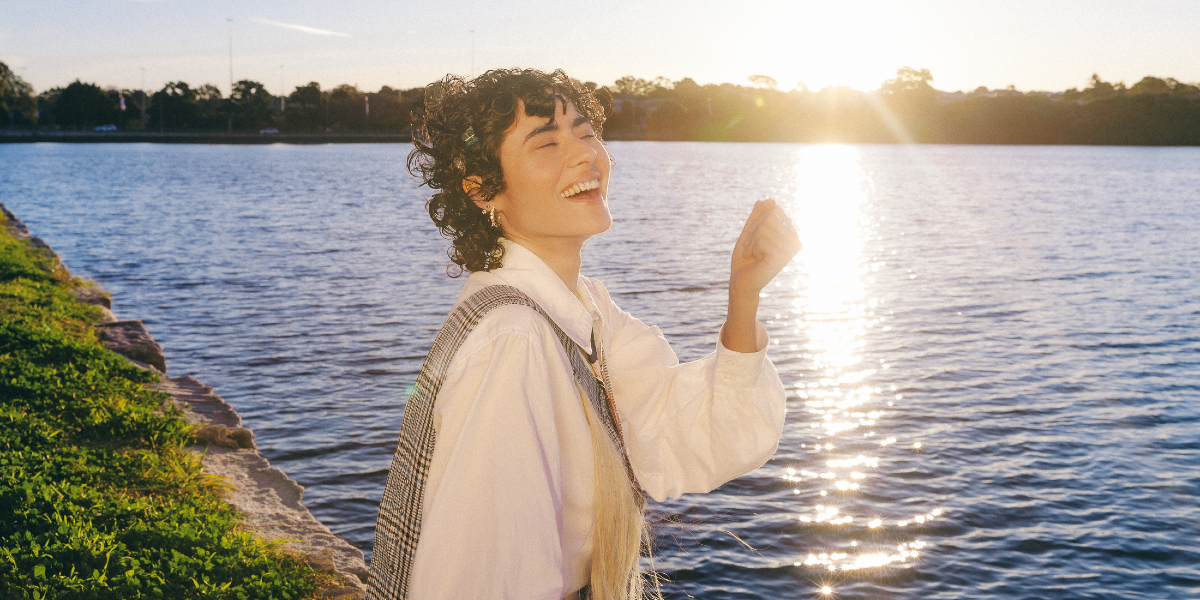
“Fish felt like an apt metaphor for my own experience with being alive, for my relationship with my mum, for being queer.” Montaigne chats to Alex Creece.
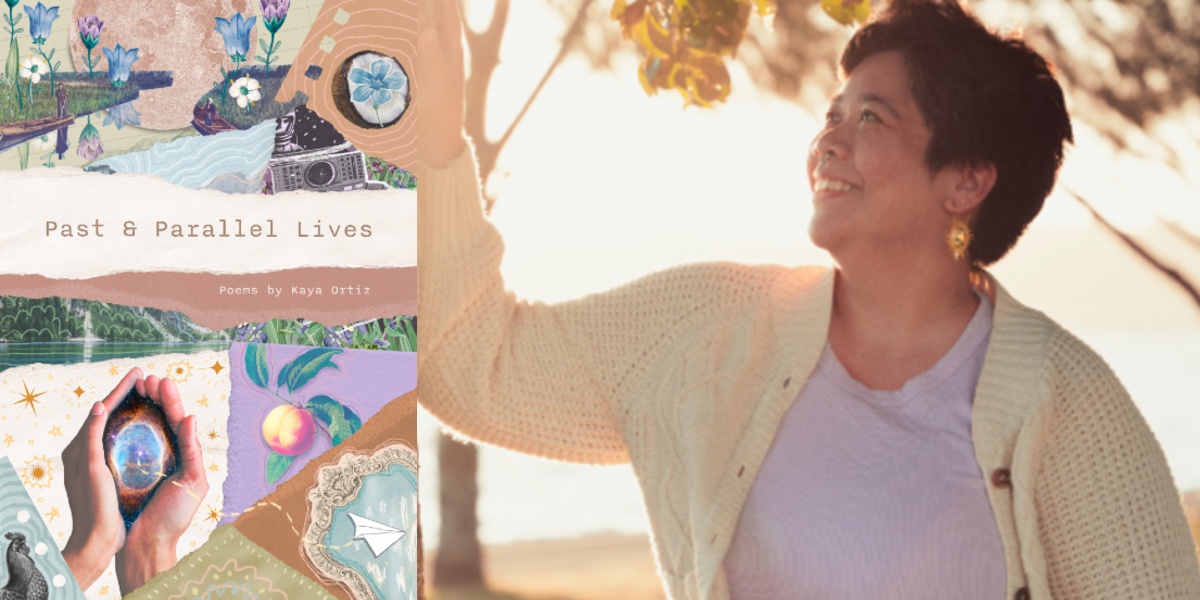
“These poems are really just owning my different identities – Filipino, lesbian, queer – without shame.” Kaya Ortiz chats with Alex Creece.