

Queer Fashion Files: In the big apple with Kel Rakowski
By: Hailey Moroney

Advertisement
Welcome to Archer’s Queer Fashion Files! Each month, we interview trendsetters and tastemakers, showcasing the diversity and talent of the fashion world. You can check out all episodes of our Queer Fashion Files here.
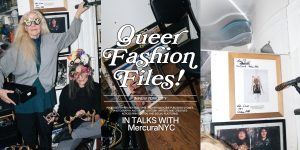
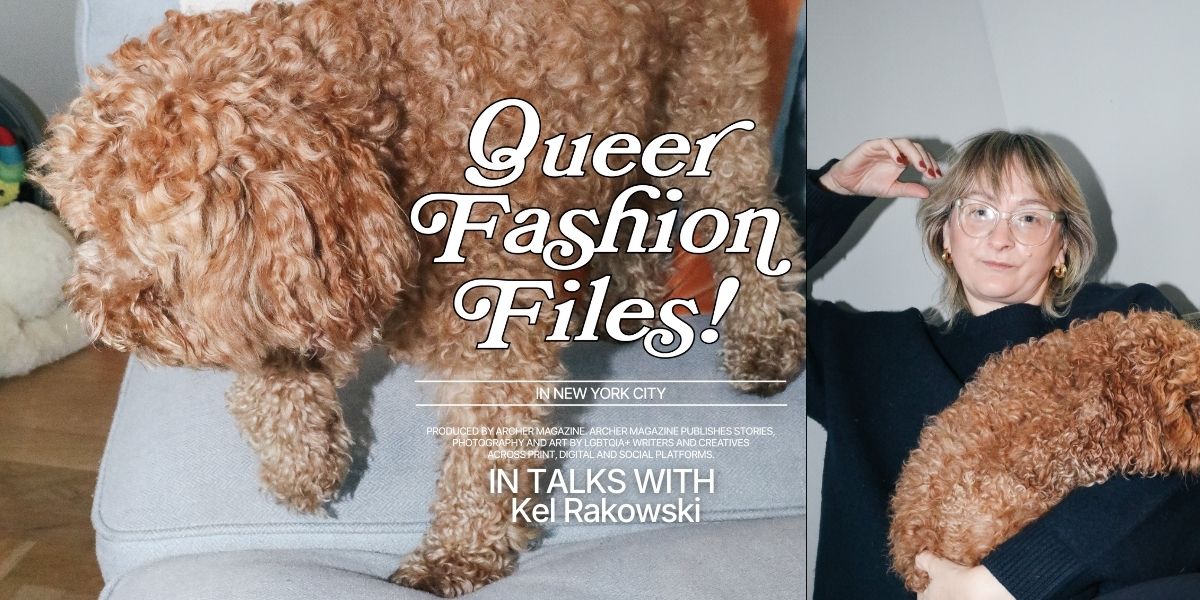
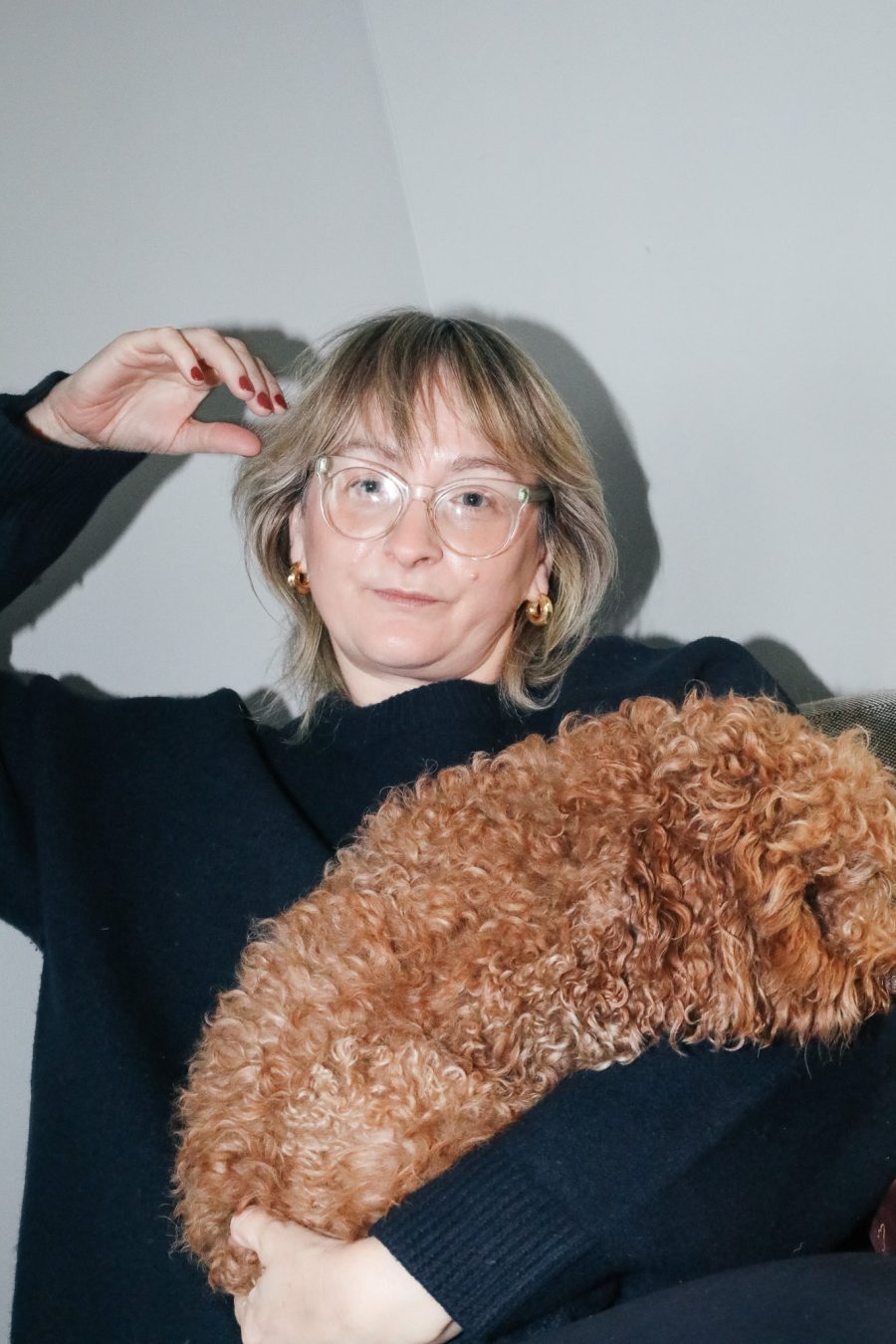
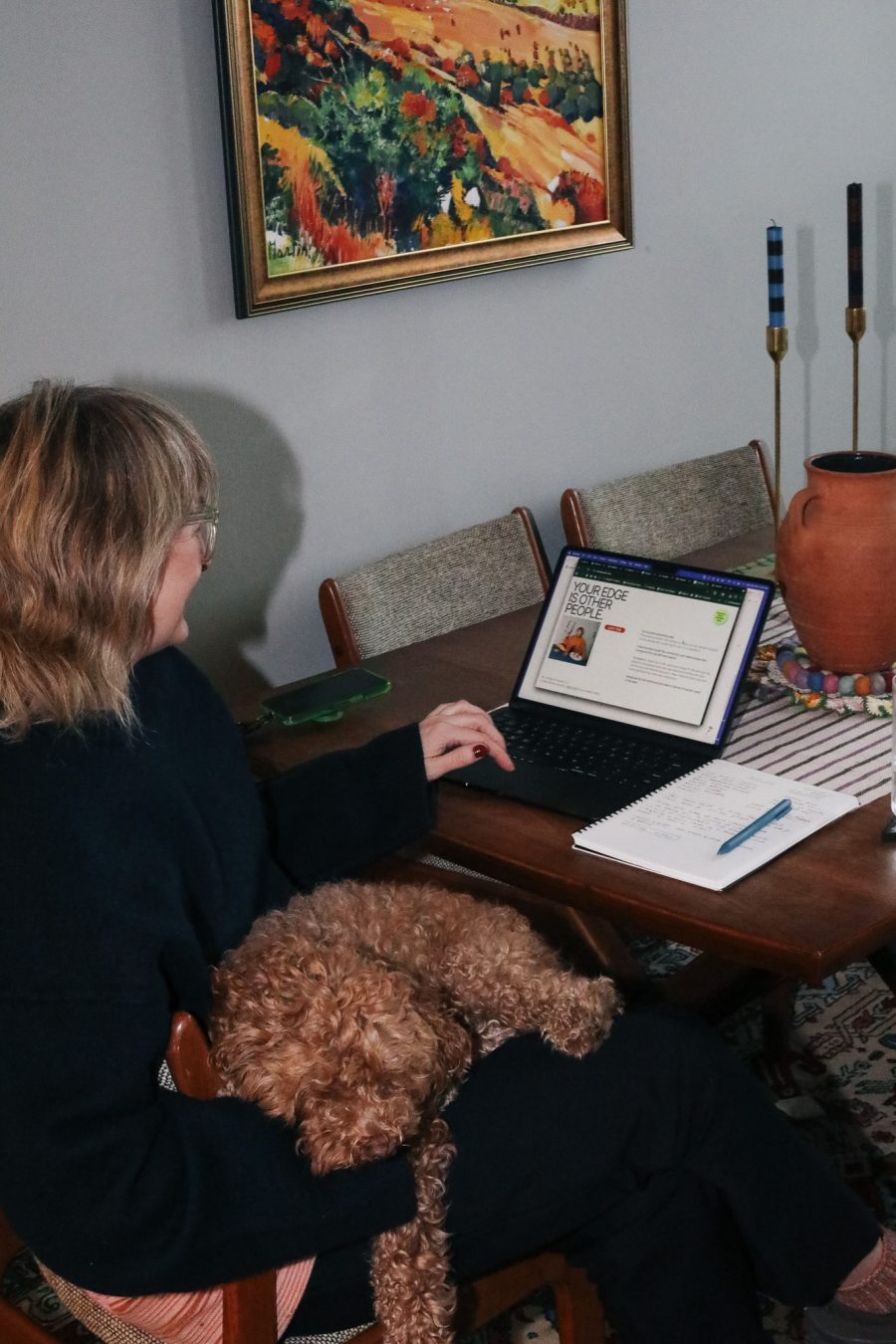
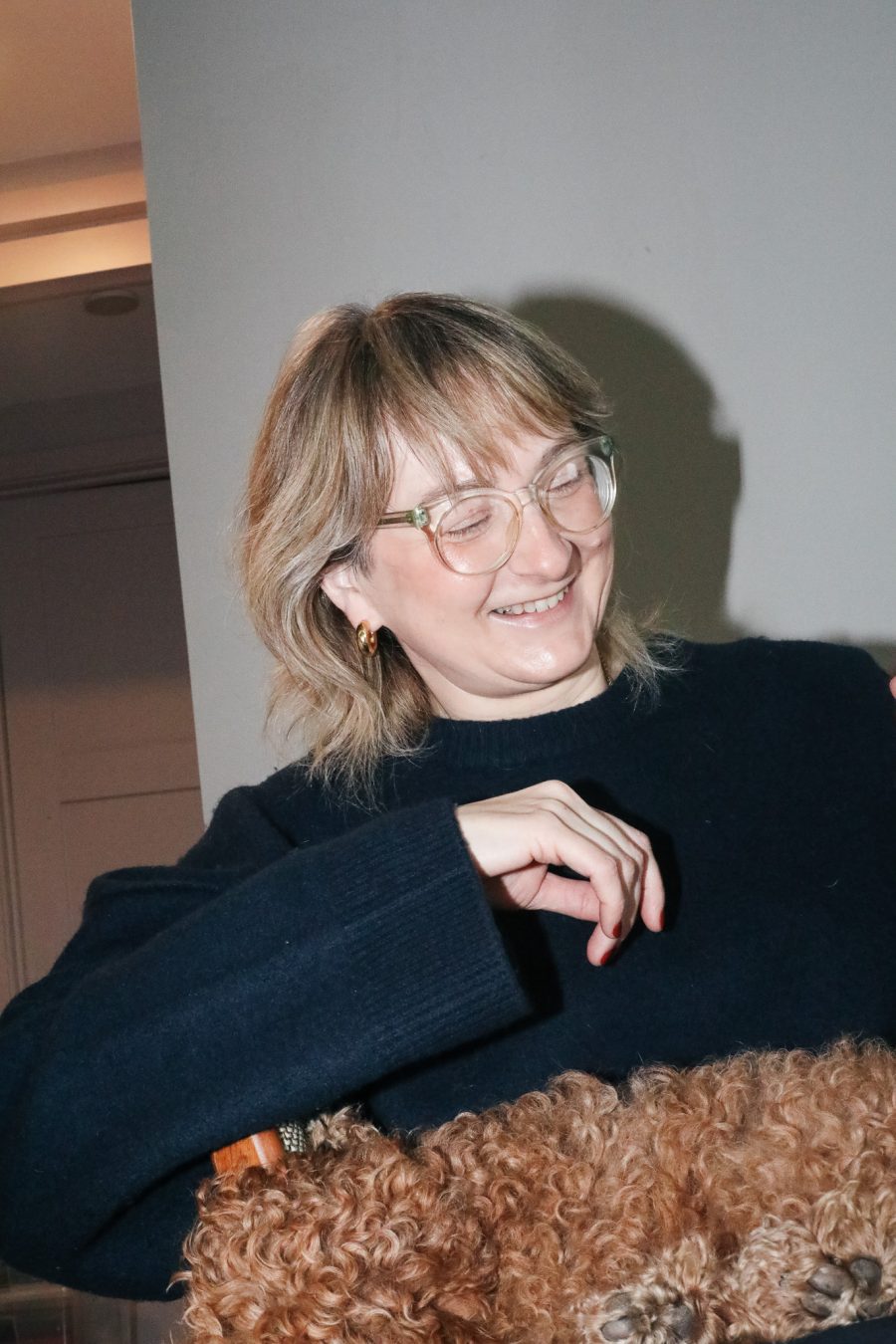
This month, our Queer Fashion Files heads to New York City! In Episode 25, Hailey Moroney chats to Kel Rakowski, mastermind behind @h_e_r_s_t_o_r_y and founder of Lex, to discuss social media, identity, culture and connection.
After founding and scaling Lex, a text-centred LGBTQ+ social app acquired in 2024, Kel Rakowski learned how to build 1M+ users and raise $7.2M with zero ad spend.
Before moving into tech, Kel spent 15 years in New York design, building cultural momentum, co-founding a textile studio, directing art books for Todd Oldham, directing photography at Metropolis magazine, and interviewing personal hero Joan E. Biren for Vogue.
Apple named Lex ‘Top App for Pride’. Bumble, Female Founders Fund, Stellation Capital and Slauson & Co backed it, and Kel built an advisor network across Hinge, Snap and Meta. In 2014, Kel’s Instagram account @h_e_r_s_t_o_r_y helped popularise the slogan ‘The Future is Female’.
Now, Kel helps founders build community, relationships, and narratives that turn work into cultural momentum.
All images by: Hailey Moroney
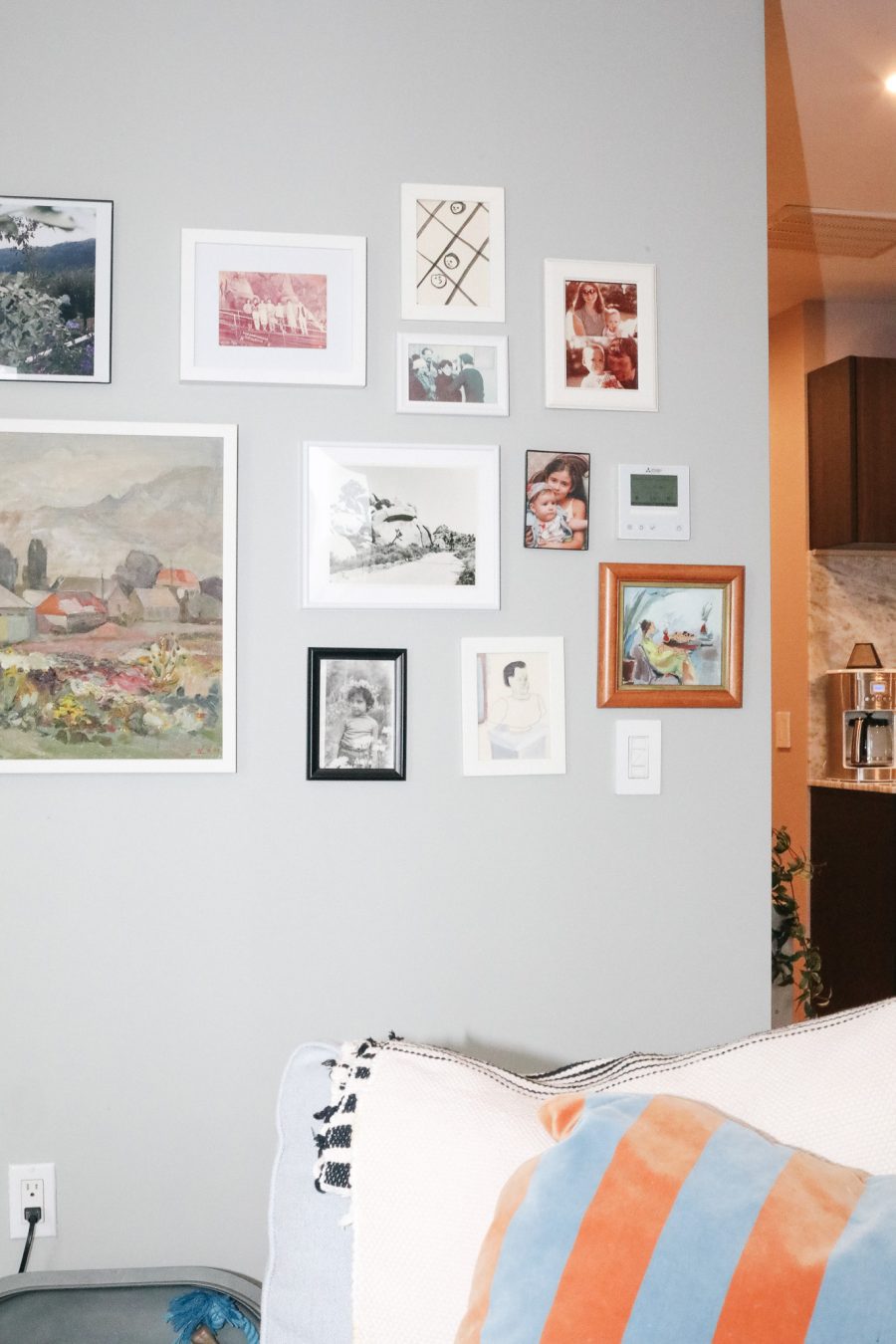
Hailey Moroney: You’ve said @h_e_r_s_t_o_r_y started with no plan – just curiosity, obsession and a need for connection. When you look back, what did following that instinct give you that a more strategic approach might not have?
Kel Rakowski: It gave me something harder to manufacture – genuine conviction born from the community itself, not from a business plan.
When you’re posting personal ads on Instagram 10 to 20 times a day for months, you’re not being strategic – you’re obsessing, because you’re responding to other people’s energy. And that obsession creates this feedback loop where people feel the realness of it. They weren’t just downloading an app; they were supporting this actual person doing the work.
That mattered, because it meant that when I eventually tried to turn it into a tech product, I had a core group who believed in me – not because of a pitch deck or a go-to-market strategy, but because they’d watched me show up, every single day, when it would’ve been easier to quit.
A more strategic approach from day one would’ve optimised for growth, but potentially misses out on the human component, which is the driving force behind anything succeeding.
That trust is what got me through the hard parts. That naive confidence that ‘it can’t be that hard’ let me attempt things a more calculated founder might have talked themselves out of. It pays to go in with blind faith sometimes.
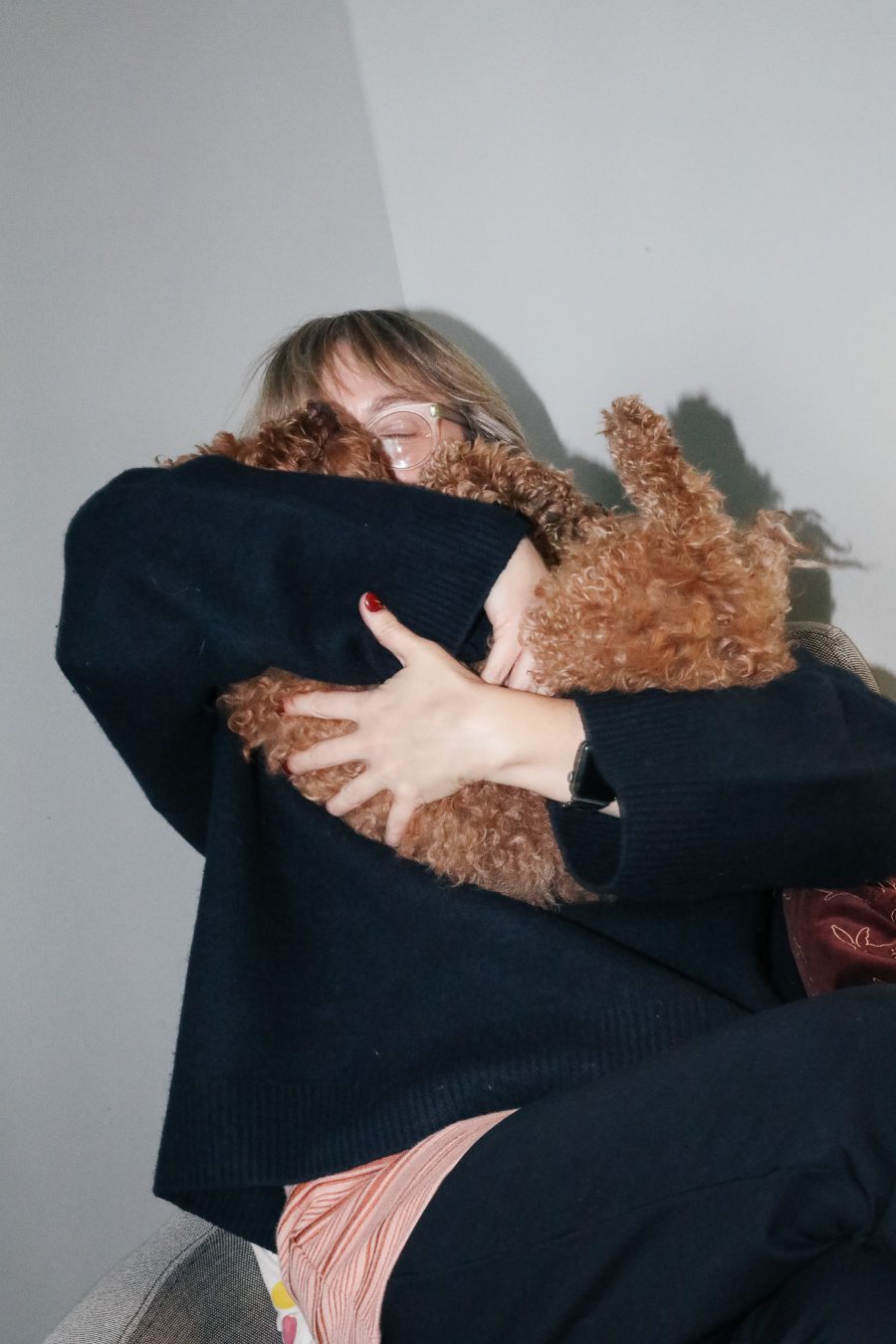
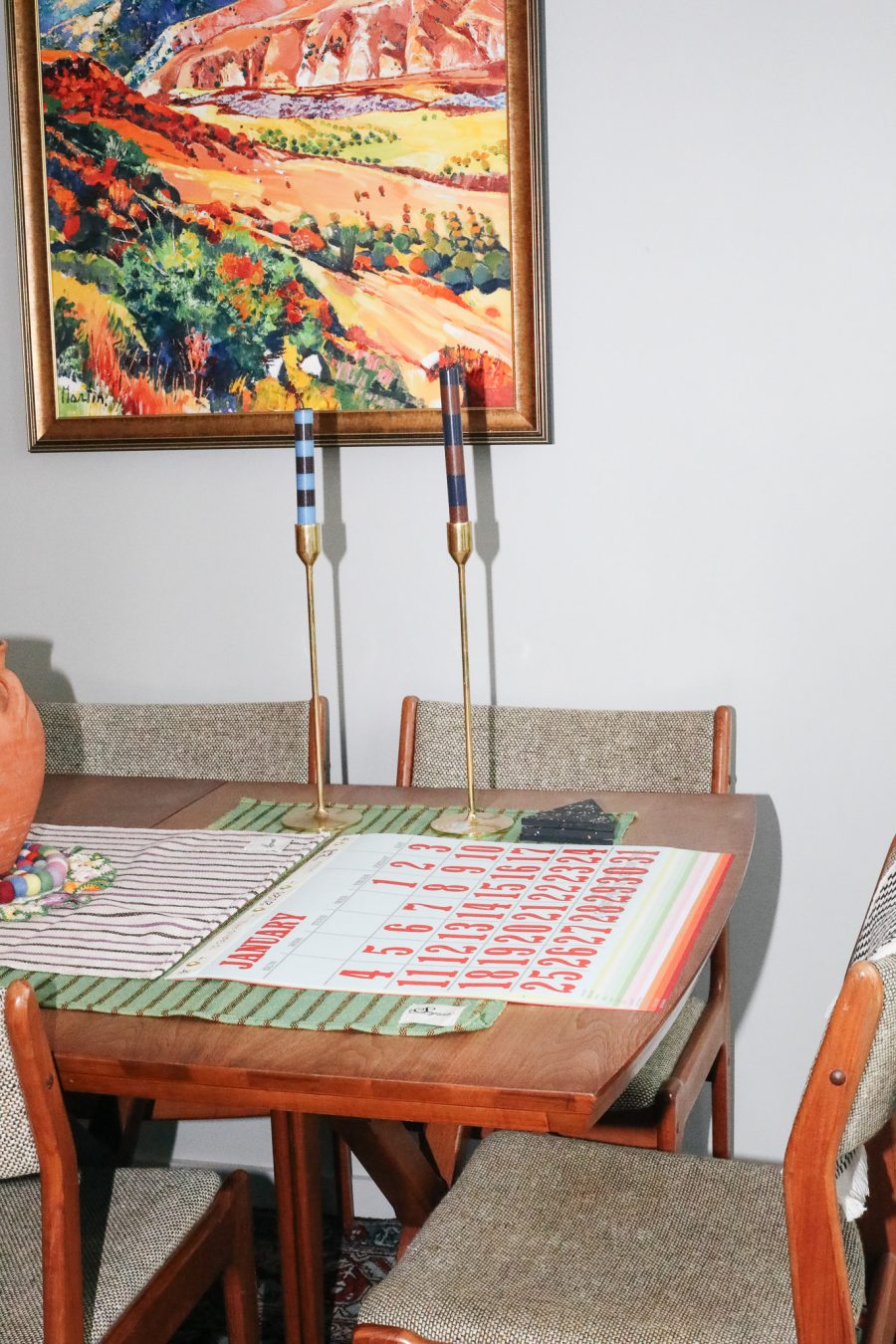
HM: Those vintage On Our Backs personal ads feel so alive. I literally visited the Lesbian Herstory Archives the other day and spent hours looking through [historic lesbian erotica magazine] On Our Backs!
How do you think queer connection and self-expression have changed as we’ve shifted toward image heavy, highly curated platforms?
KR: On Our Backs had this protection built in – the anonymity of ink, paper and a PO Box. That created a kind of freedom to be totally unfiltered, totally desperate, totally yourself without the fear of being discovered or judged by people in your actual life. There was an eroticism to the text itself because you weren’t performing for an algorithm or a camera.
Now we have visibility, which is huge – queers can find each other in real-time, feel less alone, share experiences openly. But visibility comes with a different kind of pressure. When you’re making a TikTok or posting to Instagram, you’re curating. You’re aware of your audience, your employers, your family potentially seeing it. It’s harder to be truly messy or truly unguarded. The protection is gone.
I think both things are true: we gained something real in visibility and community-building at scale. But we also lost something – that rawness, that permission to be raunchy or desperate or fully yourself without calculation. The question is whether we can find new ways to create that safety and anonymity in digital spaces, or if we’ve just traded one kind of vulnerability for another.
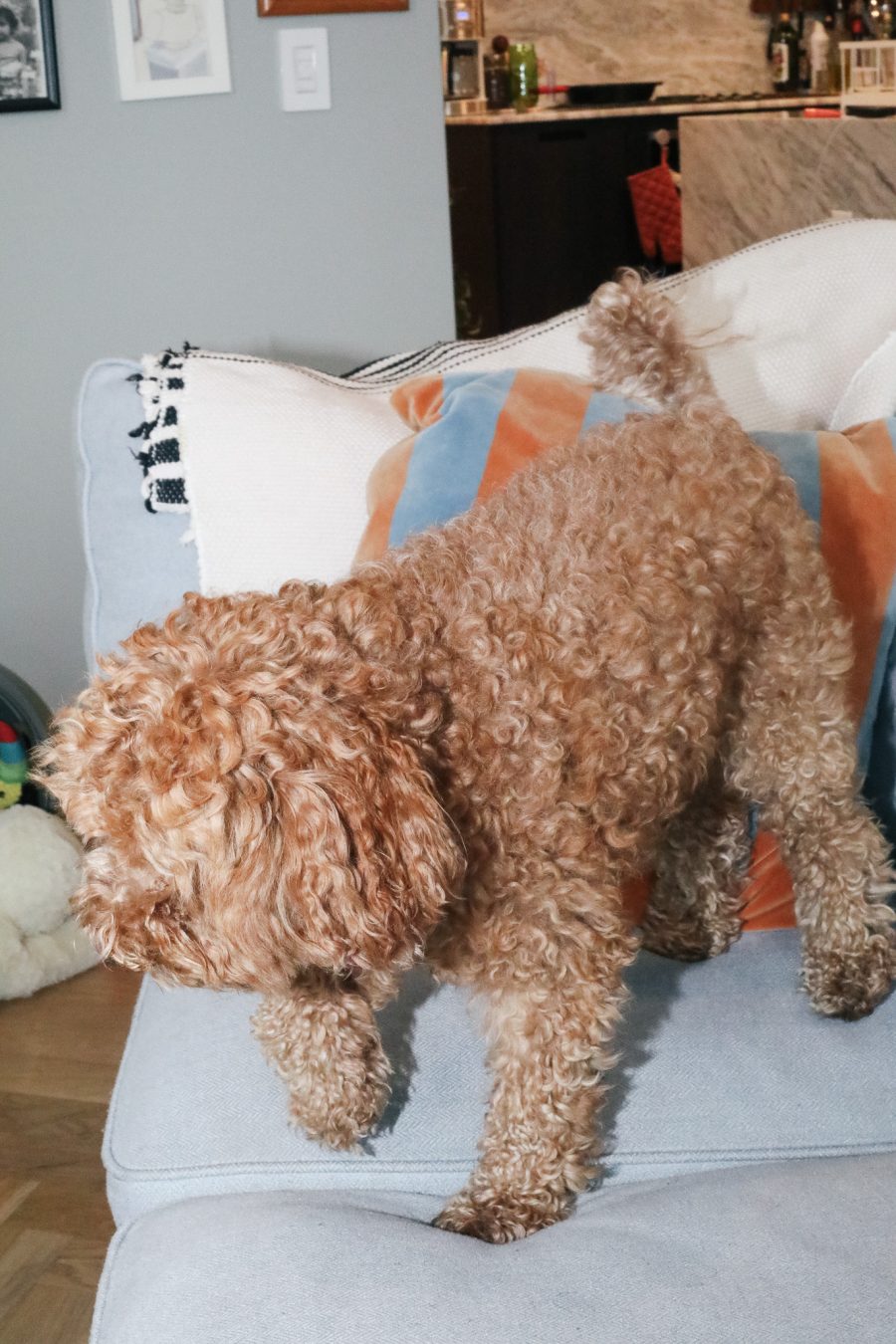
HM: Early on, you had no budget and no tools, just doing the work. How did that scrappy process shape the values and tone of what @h_e_r_s_t_o_r_y has grown into?
KR: The scrappy, DIY process of posting personal ads on Instagram taught me something fundamental: people were using that space for so much more than dating. Someone would post looking for a dog walker, another person looking for a roommate, someone else looking for a friend. It was this raw, unfiltered way of saying: “This is what I need right now.”
That’s what carried into Lex. We kept that same tone – no algorithmic matching, no swiping. Just people being honest about what they were looking for. The scrappiness forced us to stay close to the actual need instead of getting distracted by features or growth hacks. We built exactly what people were already using Personals IG for, just in a more functional format.
HM: So much of your work resists polish and performance. How do you think about authenticity and vulnerability as a queer person making work online, especially when visibility is often rewarded over honesty?
KR: You can be yourself and be a version of yourself you want people to see online – I call it ‘digital drag’. Performance isn’t the opposite of authenticity.
The real move is getting over the cringe of performing and just picking a version of yourself that feels good to put in the feed. Make it intentional. Make it honest about what it is. Then move on.
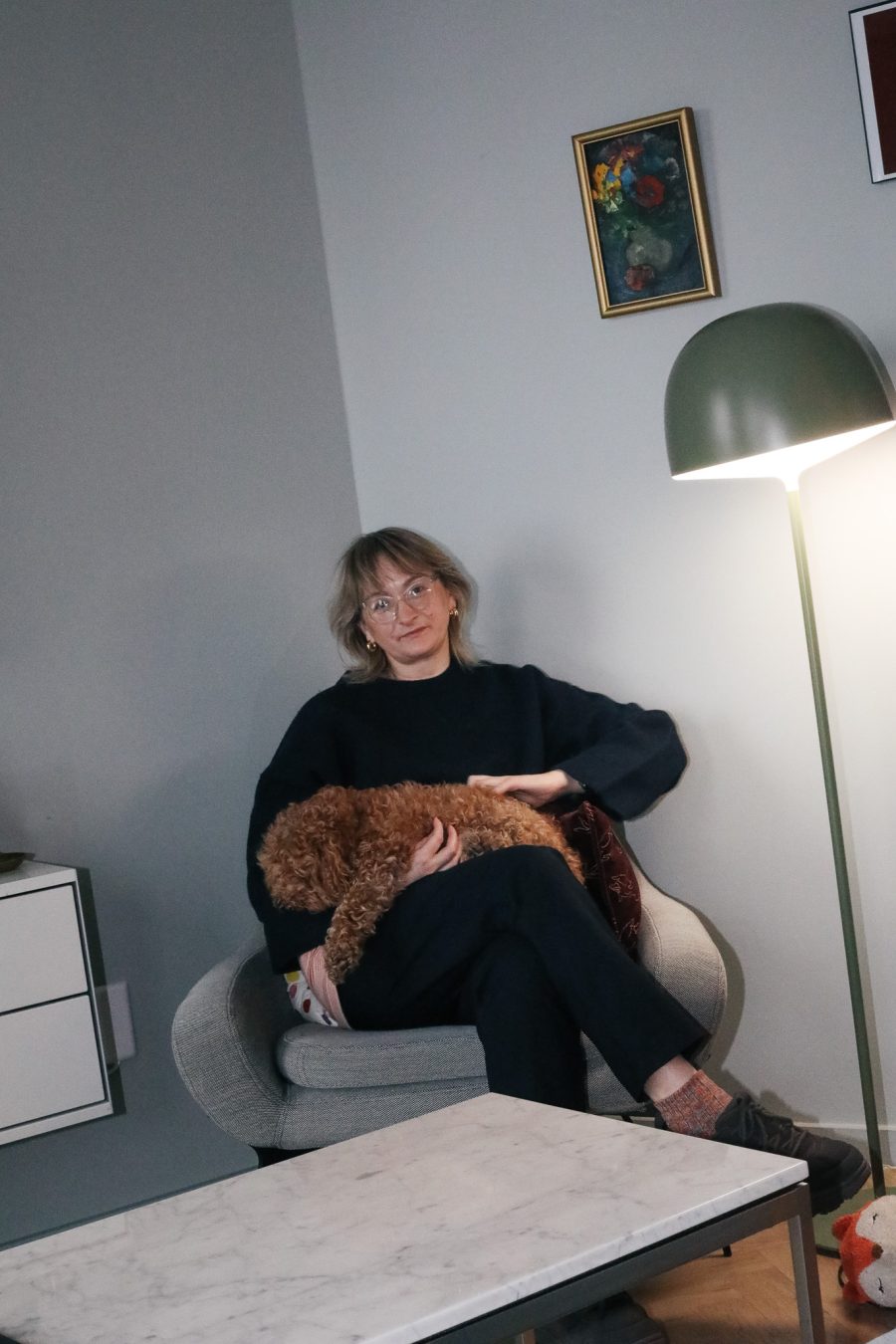
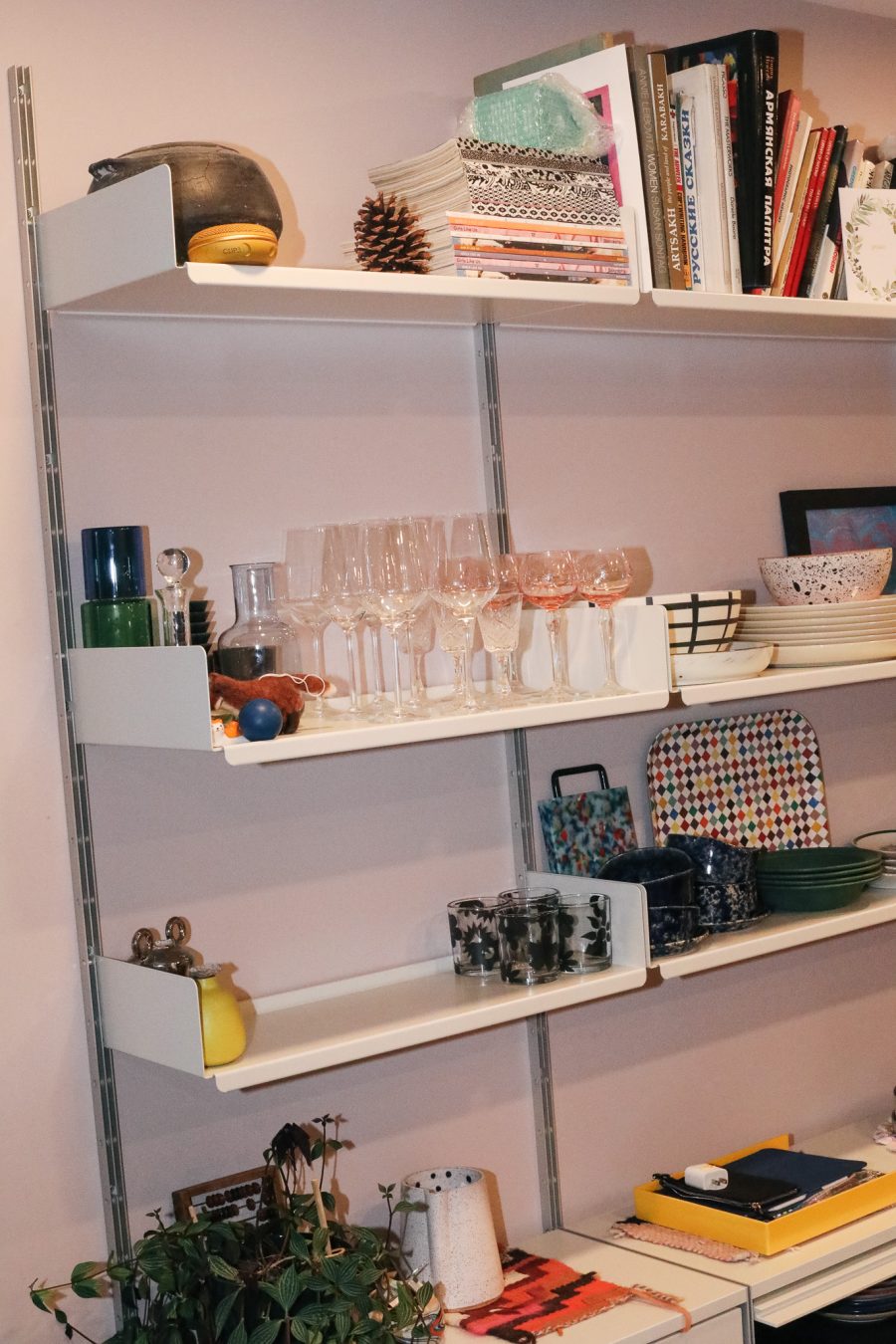
HM: A key desire behind starting Queer Fashion Files, for me, was giving younger queers an example of non-traditional ways for us to be successful. For queer artists who aren’t there yet, what do you think matters more: having it together, or simply just getting started?
KR: There’s not one place for one to arrive. Success can be a feeling within yourself – not monetary, not external validation.
What matters most is to just do the thing. Use whatever gifts and resources you have right now and make it happen. You can go back and polish later.
The important thing is getting yourself out into the world so people can experience it, respond to it, tell you what they think. That feedback is how you know what to do next. And then you keep going.
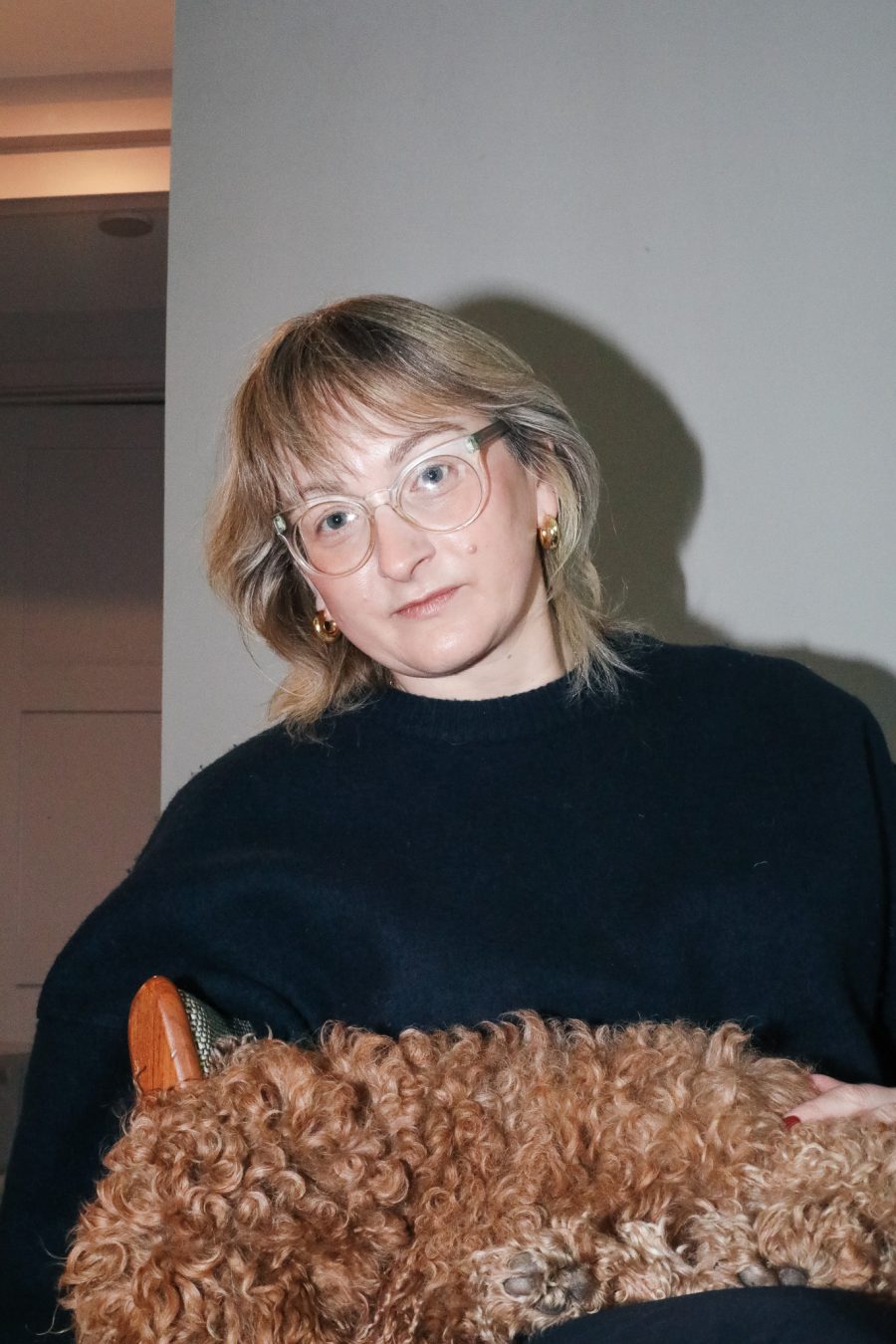
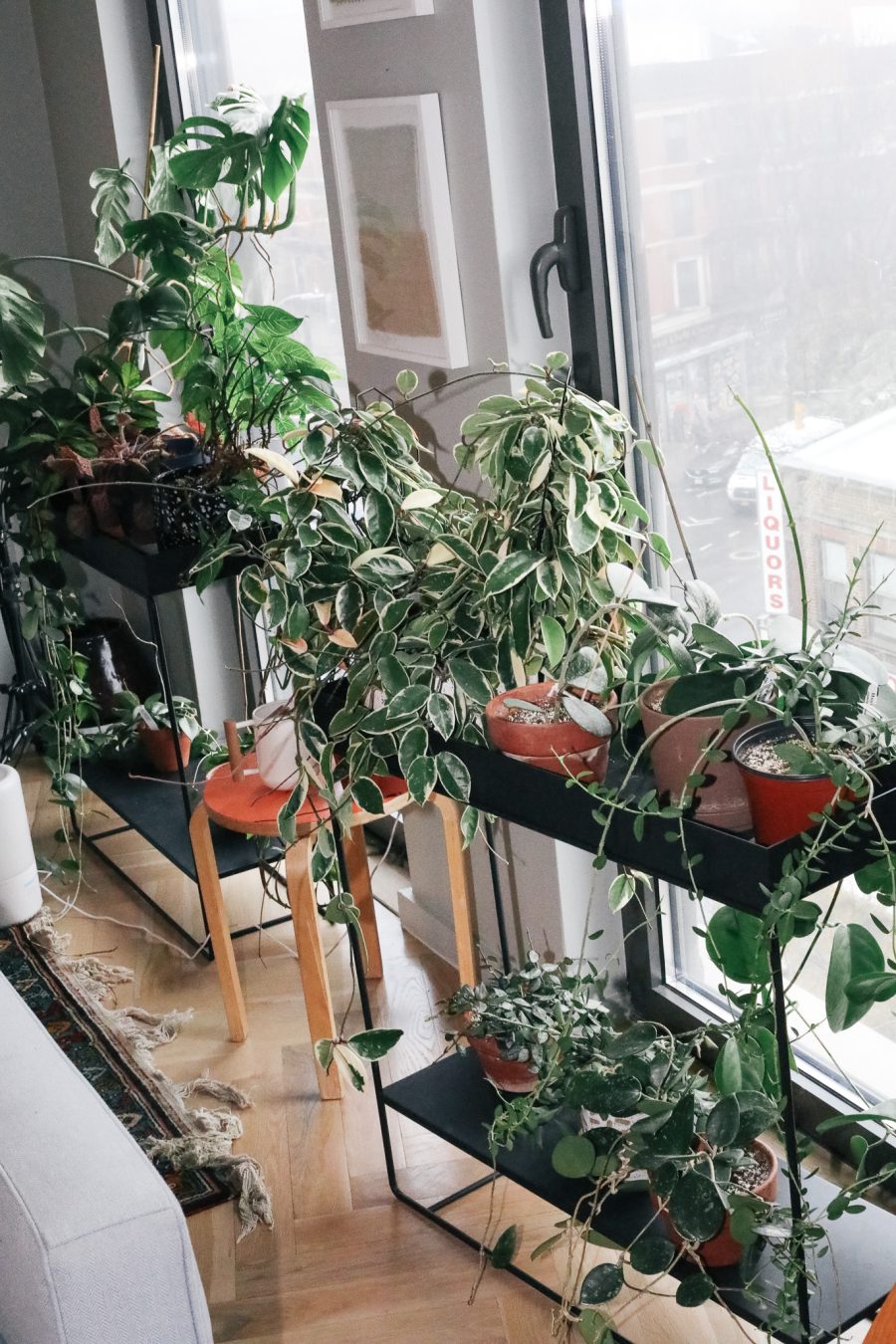
If you want to pitch an idea for Archer’s Queer Fashion Files, email pitch@archermagazine.com.au with ‘QUEER FASHION FILES’ in the subject line. You can check out the rest of our Queer Fashion Files here.